


Winemaker Notes
Aromas of rich raspberry, caramel, cranberry and mandarin lead to flavors of dried cherry, suede, strawberry rhubarb and pie crust. The finish is fruity and textured. Try this wine with coq au vin or mushroom risotto.
Professional Ratings
-
Tasting Panel
This wine features fruit sourced from four of Talley's six estate vineyards. With dashes of white pepper, Italian herbs, bright black cherry, and red tea, it sails on gossamer wings, pure and unadulterated.
-
James Suckling
A rather light style of pinot noir but with ample aroma and flavor complexity. Black tea, cinnamon, savory herbs and a touch of vanilla on the nose, then raspberries, red cherries and cedar on the palate. Medium-bodied, vegan and sustainable.
-
Wine Enthusiast
Cranberry and raspberry aromas meet with wild herbs on the tart nose of this appellation cuvée. The palate is tense, bright and snappy, offering brisk pomegranate flavors that are warmed up by star anise and light clove.


Thin-skinned, finicky and temperamental, Pinot Noir is also one of the most rewarding grapes to grow and remains a labor of love for some of the greatest vignerons in Burgundy. Fairly adaptable but highly reflective of the environment in which it is grown, Pinot Noir prefers a cool climate and requires low yields to achieve high quality. Outside of France, outstanding examples come from in Oregon, California and throughout specific locations in wine-producing world. Somm Secret—André Tchelistcheff, California’s most influential post-Prohibition winemaker decidedly stayed away from the grape, claiming “God made Cabernet. The Devil made Pinot Noir.”
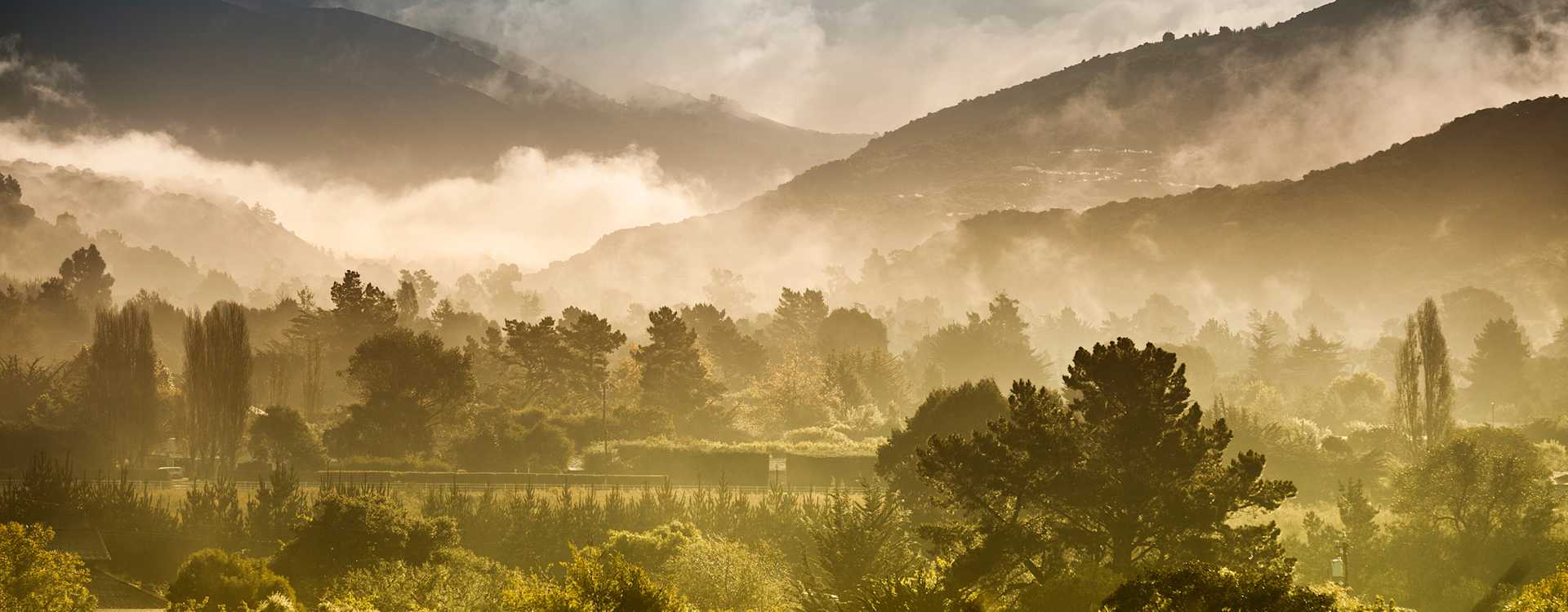
The largest and perhaps most varied of California’s wine-growing regions, the Central Coast produces a good majority of the state's wine. This vast California wine district stretches from San Francisco all the way to Santa Barbara along the coast, and reaches inland nearly all the way to the Central Valley.
Encompassing an extremely diverse array of climates, soil types and wine styles, it contains many smaller sub-AVAs, including San Francisco Bay, Monterey, the Santa Cruz Mountains, Paso Robles, Edna Valley, Santa Ynez Valley and Santa Maria Valley.
While the Central Coast California wine region could probably support almost any major grape varietiy, it is famous for a few Central Coast reds and whites. Pinot Noir, Chardonnay, Cabernet Sauvignon and Zinfandel are among the major ones. The Central Coast is home to many of the state's small, artisanal wineries crafting unique, high-quality wines, as well as larger producers also making exceptional wines.