

Winemaker Notes
Professional Ratings
-
Robert Parker's Wine Advocate
A stunning effort, the light gold-colored 2002 reveals loads of fruit (pineapples, mangoes, and honeydew melons) as well as a hint of roasted nuts. Medium to full-bodied and fleshy with vibrant acidity, purity and texture, this fully mature stunner is capable of lasting another 5-7 years.


One of the most popular and versatile white wine grapes, Chardonnay offers a wide range of flavors and styles depending on where it is grown and how it is made. While it tends to flourish in most environments, Chardonnay from its Burgundian homeland produces some of the most remarkable and longest lived examples. California produces both oaky, buttery styles and leaner, European-inspired wines. Somm Secret—The Burgundian subregion of Chablis, while typically using older oak barrels, produces a bright style similar to the unoaked style. Anyone who doesn't like oaky Chardonnay would likely enjoy Chablis.
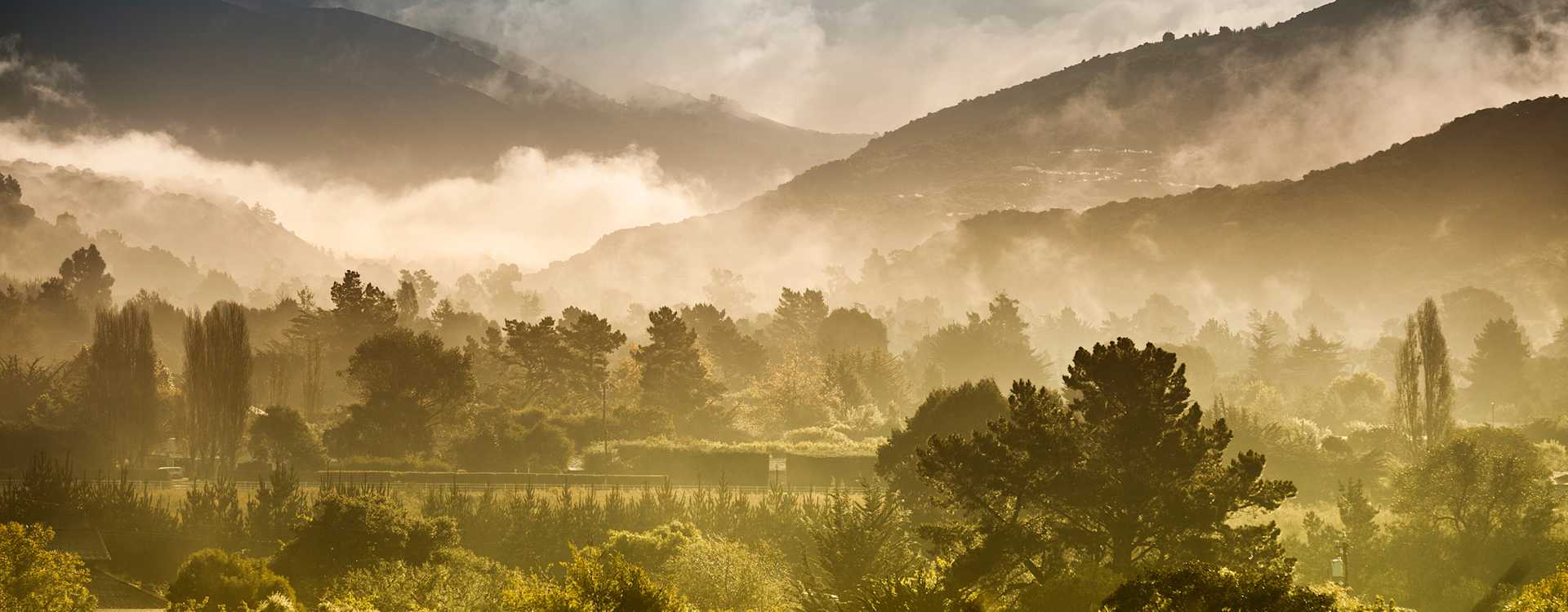
One of the coolest growing areas in California, the Arroyo Grande Valley runs from the southwest to the northeast, just a few miles from the Pacific Ocean and is part of the Central Coast AVA. Situated so that cold Pacific Ocean air and fog is allowed to filter into the valley, Arroyo Grande also has an incredibly long growing season. Bud break occurs in February in most years with flowering in May and harvest in late September; the area is classified as cool Mediterranean.
These weather factors combined with the soil types—continental and marine rocks, greywacke, limestone, shale and volcanic—create wines with great concentration and fresh acidity. The cooler end of the valley is perfect for Chardonnay, Pinot Noir, and is a good producer of sparkling wines. The warmer, more inland part of the valley is home to some of California’s oldest Zinfandel vines.