


Winemaker Notes
Aromas of citrus, orange blossom, fresh baguette and lemon clover lead to flavors of lemon curd, marcona almond, and dried pineapple. The finish is bright and juicy.
Pair this wine with lemony shrimp scampi or avocado caprese salad.
Professional Ratings
-
Decanter
From the cool climate, Talley Vineyards in the SLO Coast is a sterling example of saline minerality and finely etched citrus fruits that true coastal regions can produce—aromatics of grilled lemon, sea air, petrichor, and crushed slate. The palate is linear, with intense Meyer lemon pulp, flinty lime peel, and tangy grilled pineapple flesh—gorgeous intensity.
-
Wine Enthusiast
This estate-grown, entrylevel bottling is a very wise choice in this vintage, as the wine offers classic aromas of sea salt, lemon peel and citrus pith on the tense nose. The palate is very textural with a pithy grip, framing rounded flavors of nectarine and Meyer lemon.
-
Jeb Dunnuck
The 2022 Chardonnay Estate is a much more serious Chardonnay, offering stone fruits, honeyed flowers, and spicy wood notes in a medium-bodied, focused, nicely concentrated style. A blend of multiple sites (Oliver’s, Rosemary’s, Rincon, and others), aged in 20% new barrels, it’s going to shine for 4-6 years.


One of the most popular and versatile white wine grapes, Chardonnay offers a wide range of flavors and styles depending on where it is grown and how it is made. While it tends to flourish in most environments, Chardonnay from its Burgundian homeland produces some of the most remarkable and longest lived examples. California produces both oaky, buttery styles and leaner, European-inspired wines. Somm Secret—The Burgundian subregion of Chablis, while typically using older oak barrels, produces a bright style similar to the unoaked style. Anyone who doesn't like oaky Chardonnay would likely enjoy Chablis.
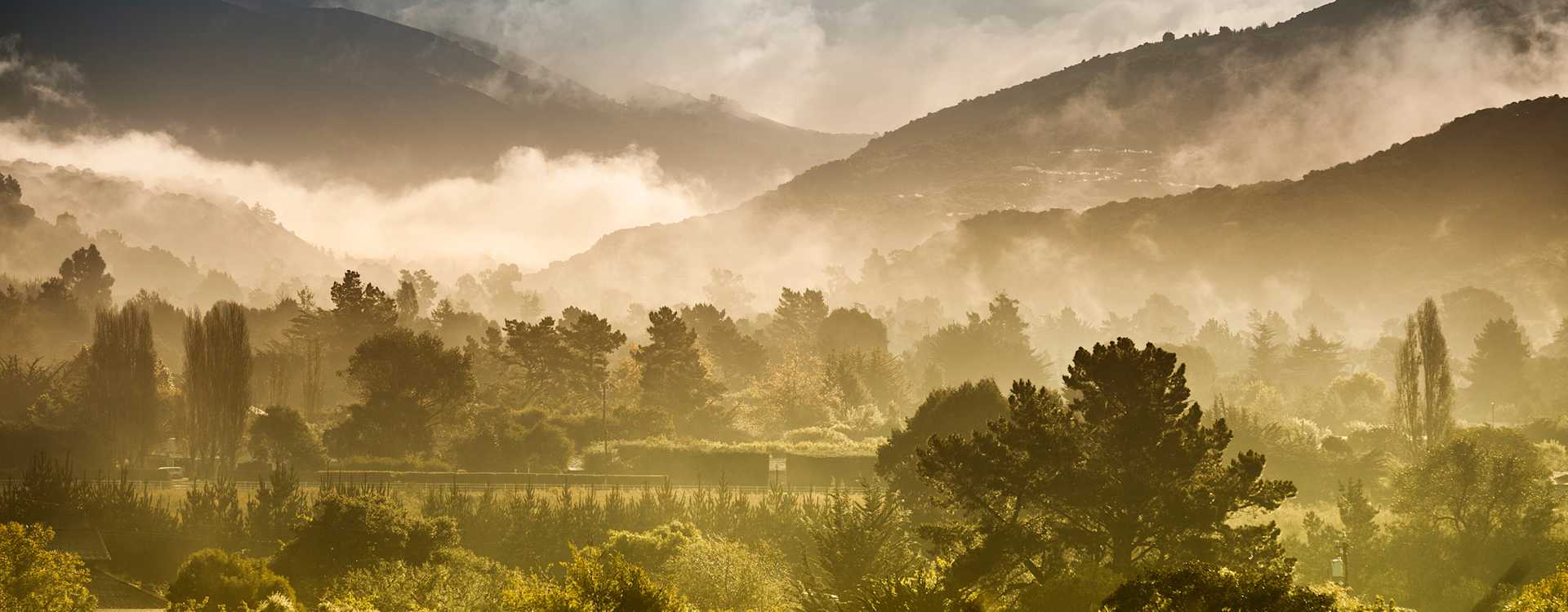
The largest and perhaps most varied of California’s wine-growing regions, the Central Coast produces a good majority of the state's wine. This vast California wine district stretches from San Francisco all the way to Santa Barbara along the coast, and reaches inland nearly all the way to the Central Valley.
Encompassing an extremely diverse array of climates, soil types and wine styles, it contains many smaller sub-AVAs, including San Francisco Bay, Monterey, the Santa Cruz Mountains, Paso Robles, Edna Valley, Santa Ynez Valley and Santa Maria Valley.
While the Central Coast California wine region could probably support almost any major grape varietiy, it is famous for a few Central Coast reds and whites. Pinot Noir, Chardonnay, Cabernet Sauvignon and Zinfandel are among the major ones. The Central Coast is home to many of the state's small, artisanal wineries crafting unique, high-quality wines, as well as larger producers also making exceptional wines.