


Winemaker Notes
Professional Ratings
-
Wine & Spirits
Grown mostly at Talley’s Rincon and Rosemary vineyards—two hilly, low-yielding sites around seven miles from the Pacific—this is vivid pinot noir, capturing California sunshine in its ample fruit richness, yet finding tart, crunchy detail at its edges. Its intensity feels lean and muscular rather than fat, with red raspberry and wild herbal aromas that are expansive and lasting.
-
Wilfred Wong of Wine.com
Tres elegant and this precisely how pinot noir should be, the racy and fine 2013 Talley Vineyards Arroyo Grande Valley Pinot Noir stands head over heels better than most out there. While others try to make their pinots ultra rich, Talley Vineyards understands how one must remain true to the area when dealing with this most difficult varietal. It took me several hours of re-evaluating this one before setting on a score. This is as solid as it comes. Serve me some seared Ahi Tuna and well have a good ole' time.


Thin-skinned, finicky and temperamental, Pinot Noir is also one of the most rewarding grapes to grow and remains a labor of love for some of the greatest vignerons in Burgundy. Fairly adaptable but highly reflective of the environment in which it is grown, Pinot Noir prefers a cool climate and requires low yields to achieve high quality. Outside of France, outstanding examples come from in Oregon, California and throughout specific locations in wine-producing world. Somm Secret—André Tchelistcheff, California’s most influential post-Prohibition winemaker decidedly stayed away from the grape, claiming “God made Cabernet. The Devil made Pinot Noir.”
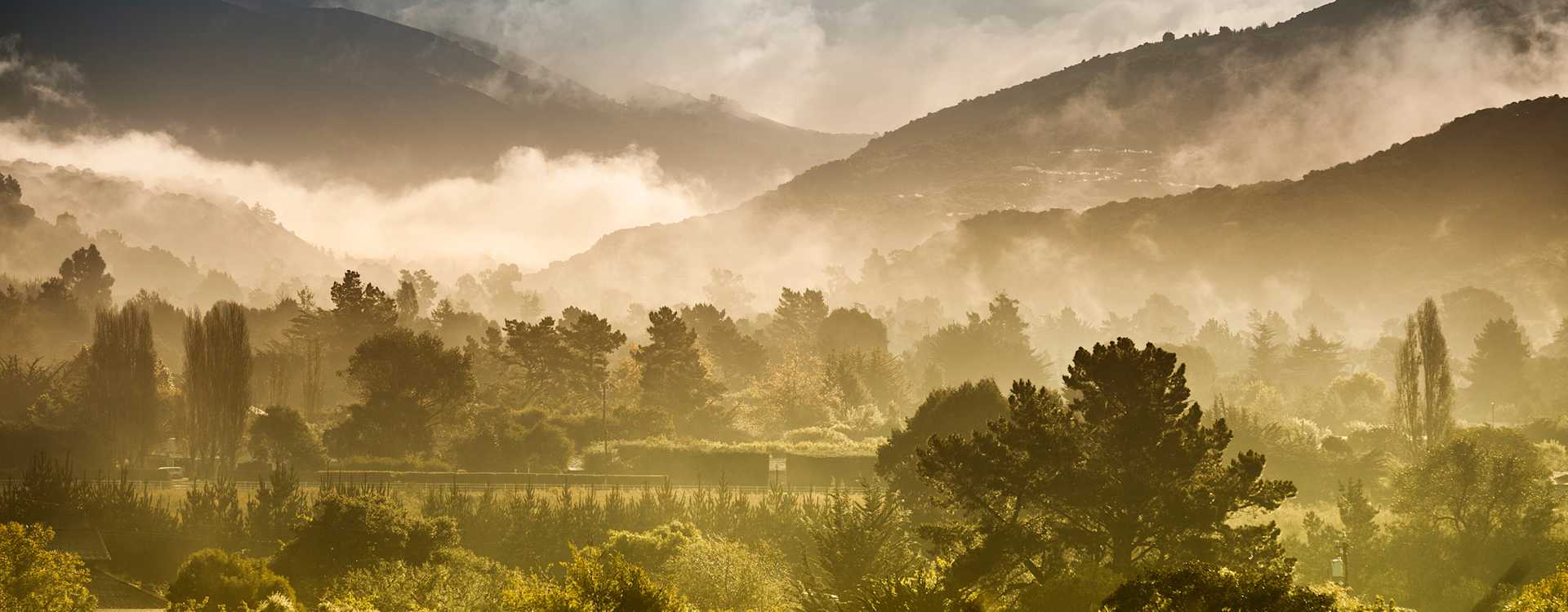
One of the coolest growing areas in California, the Arroyo Grande Valley runs from the southwest to the northeast, just a few miles from the Pacific Ocean and is part of the Central Coast AVA. Situated so that cold Pacific Ocean air and fog is allowed to filter into the valley, Arroyo Grande also has an incredibly long growing season. Bud break occurs in February in most years with flowering in May and harvest in late September; the area is classified as cool Mediterranean.
These weather factors combined with the soil types—continental and marine rocks, greywacke, limestone, shale and volcanic—create wines with great concentration and fresh acidity. The cooler end of the valley is perfect for Chardonnay, Pinot Noir, and is a good producer of sparkling wines. The warmer, more inland part of the valley is home to some of California’s oldest Zinfandel vines.