
Winemaker Notes
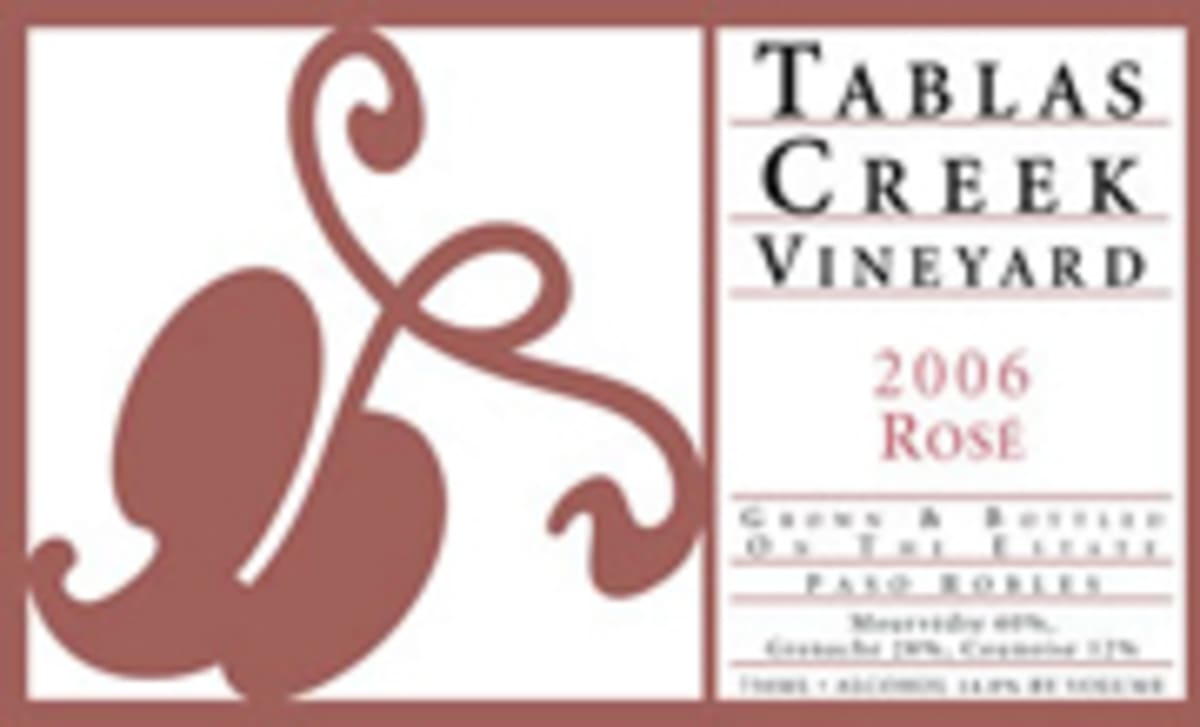
The Tablas Creek Vineyard Rosé 2006 is a blend of three estate-grown varietals, propagated from budwood cuttings from the Château de Beaucastel estate. The blend is traditional of the southern Rhône, though the blend of grapes is predominantly Mourvèdre, and therefore more like the solid, dry rosés of Bandol than the lighter Grenache-based Tavel.
The 2006 Rosé is rich, ripe, and full of spice and fruit. It has aromatics of sage and juniper, as well as white plum and watermelon, flavors of ripe strawberries, fresh acidity and a lingering finish. Pair it with Mediterranean cuisine, Spanish tapas, preparations with garlic and olive oil...or just enjoy it outside on a sunny day.
"Medium pink. Fresh raspberry and cherry scents are complemented by pungent herbs and dried flowers, with suave orange peel and anise arriving with air; really smells like a Bandol. Fleshy red fruit flavors are firmed by gentle mineral qualities, which add verve to the ripe, round finish. Comes in at 14.8% alcohol but doesn't seem warm at all. This would be fantastic with herbed fish or poultry, or high-fat, stinky cheeses." 90 Points
International Wine Cellar
November 15, 2007
Professional Ratings


Whether it’s playful and fun or savory and serious, most rosé today is not your grandmother’s White Zinfandel, though that category remains strong. Pink wine has recently become quite trendy, and this time around it’s commonly quite dry. Since the pigment in red wines comes from keeping fermenting juice in contact with the grape skins for an extended period, it follows that a pink wine can be made using just a brief period of skin contact—usually just a couple of days. The resulting color depends on grape variety and winemaking style, ranging from pale salmon to deep magenta.
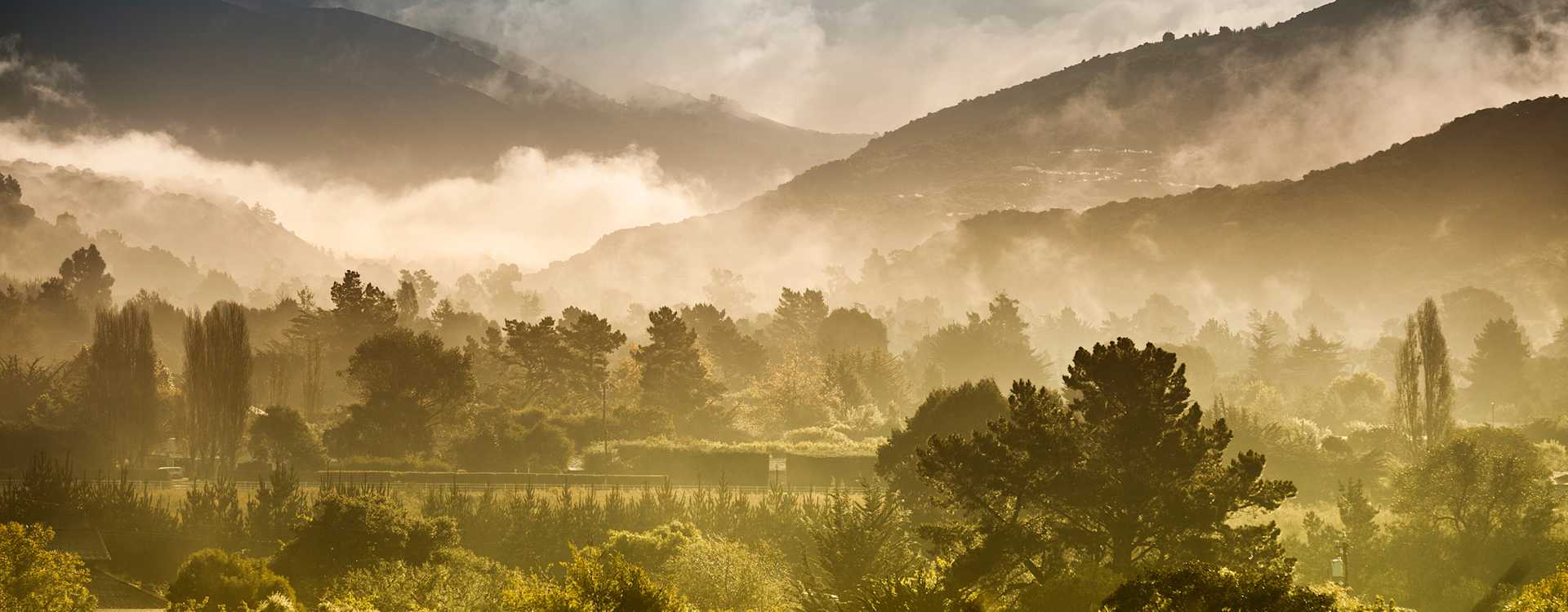
The largest and perhaps most varied of California’s wine-growing regions, the Central Coast produces a good majority of the state's wine. This vast California wine district stretches from San Francisco all the way to Santa Barbara along the coast, and reaches inland nearly all the way to the Central Valley.
Encompassing an extremely diverse array of climates, soil types and wine styles, it contains many smaller sub-AVAs, including San Francisco Bay, Monterey, the Santa Cruz Mountains, Paso Robles, Edna Valley, Santa Ynez Valley and Santa Maria Valley.
While the Central Coast California wine region could probably support almost any major grape varietiy, it is famous for a few Central Coast reds and whites. Pinot Noir, Chardonnay, Cabernet Sauvignon and Zinfandel are among the major ones. The Central Coast is home to many of the state's small, artisanal wineries crafting unique, high-quality wines, as well as larger producers also making exceptional wines.