
Winemaker Notes
Professional Ratings
-
Vinous
Darkly floral and intense, the 2009 Esprit de Beaucastel bursts from the glass with a whiff of balsamic spice that gives way to sage, pine shavings and dried black cherries. This is cool-toned, fresh and remarkably balanced. Crisp red and black fruits ride a wave of tantalizing acidity as violet inner florals swirl throughout. Edgy tannins linger, offset by a solid core of primary concentration as the 2009 tapers off with exceptional length, slowly working its way to maturity. This is an exceptional wine from a difficult season. The 2009 vintage was the third straight drought year, with a severe heat spike in September and a deluge of ten inches of rain on October 13th. Multiple passes during harvest were necessary, and some fruit required drying on straw mats. Luckily, ideal weather followed until the end of harvest.
-
Robert Parker's Wine Advocate
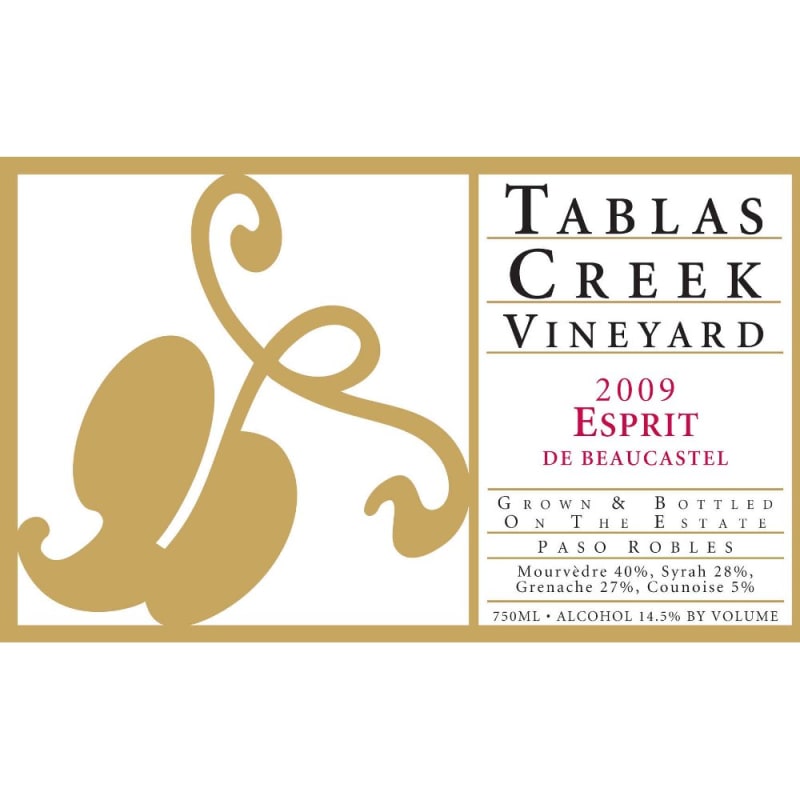
The 2009 Esprit de Beaucastel is made up of 40% Mourvèdre, 28% Syrah, 27% Grenache and 5% Counoise. It has a medium ruby-garnet color and pretty nose of dried cherries, cranberries, dark chocolate, old leather and soy hints with dried herbs and coffee bean—this still has plenty of fruit and has just begun its ascent into tertiary character. The medium-bodied palate offers wonderful layers of savory fruits, with a firm frame of chalky tannins and good freshness, finishing very long. This still has plenty of time ahead but is drinking beautifully! 2,290 cases were made.
-
Wine & Spirits
Grown on the calcareous clay hillsides of this estate in western Paso Robles, Esprit is built on mourvedre, blended with grenache, syrah and counoise. Spring frosts and three years of drought reduced the crop by 30 percent, the vintage yielding fruit that feels concentrated, healthy and cool with wild strawberry and dark red berry freshness. Tannins keep it focused along a chalk line of flavor, expanding into layers of spice and fruit in the middle, then tightening again into a clean finish. Decant it for spit-roasted lamb.


With bold fruit flavors and accents of sweet spice, Grenache, Syrah and Mourvèdre form the base of the classic Rhône Red Blend, while Carignan, Cinsault and Counoise often come in to play. Though they originated from France’s southern Rhône Valley, with some creative interpretation, Rhône blends have also become popular in other countries. Somm Secret—Putting their own local spin on the Rhône Red Blend, those from Priorat often include Merlot and Cabernet Sauvignon. In California, it is not uncommon to see Petite Sirah make an appearance.
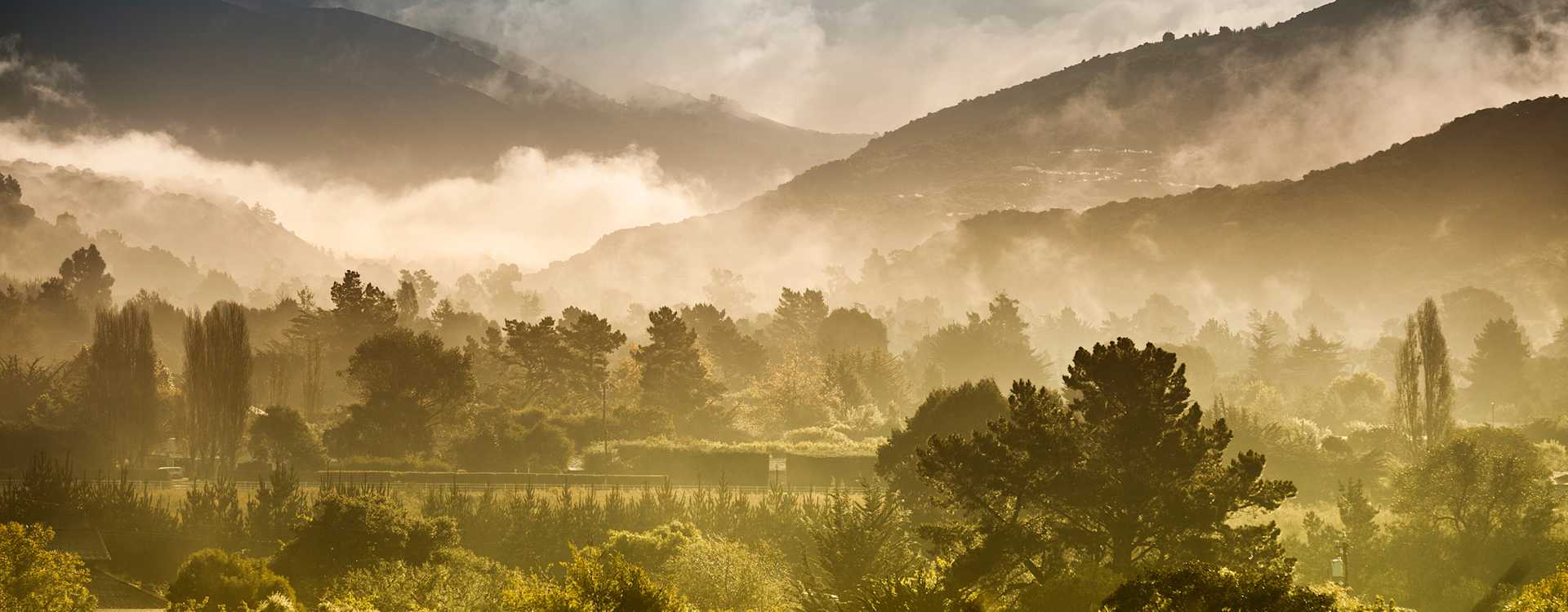
The largest and perhaps most varied of California’s wine-growing regions, the Central Coast produces a good majority of the state's wine. This vast California wine district stretches from San Francisco all the way to Santa Barbara along the coast, and reaches inland nearly all the way to the Central Valley.
Encompassing an extremely diverse array of climates, soil types and wine styles, it contains many smaller sub-AVAs, including San Francisco Bay, Monterey, the Santa Cruz Mountains, Paso Robles, Edna Valley, Santa Ynez Valley and Santa Maria Valley.
While the Central Coast California wine region could probably support almost any major grape varietiy, it is famous for a few Central Coast reds and whites. Pinot Noir, Chardonnay, Cabernet Sauvignon and Zinfandel are among the major ones. The Central Coast is home to many of the state's small, artisanal wineries crafting unique, high-quality wines, as well as larger producers also making exceptional wines.