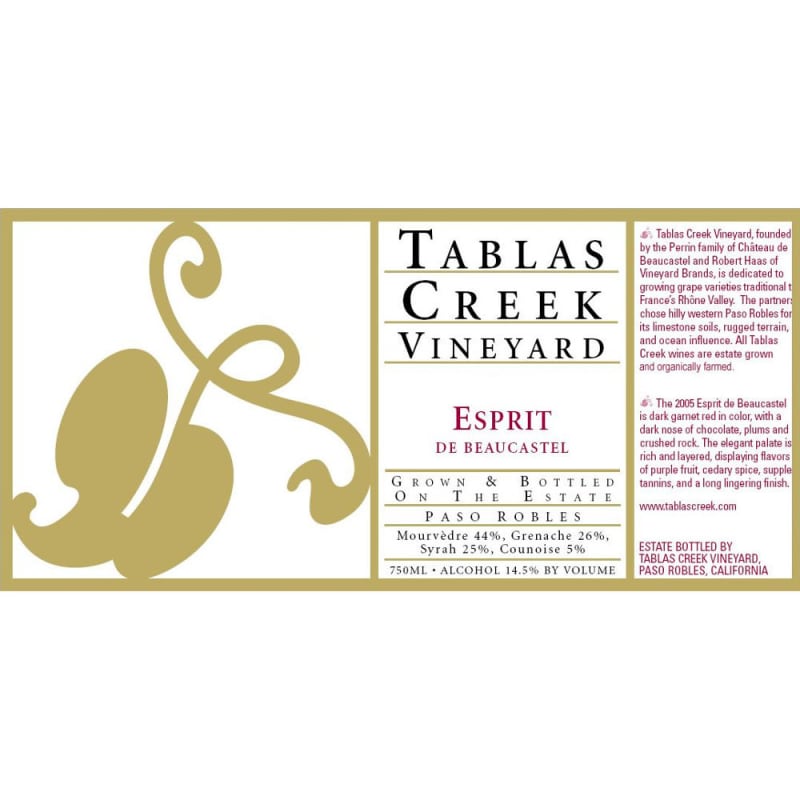

Winemaker Notes
The 2006 Esprit de Beaucastel is delicious and unusually approachable right now, with a complex nose of red plum, ripe cherry, fresh figs and candied orange peel, a velvety, layered palate with spicy plum and cherry fruit, pepper and nutmeg spices, and excellent breadth. The finish shows more mineral, plum, and spice, and a little gentle oak from the foudre aging. It is delicious now, if very young, and should evolve elegantly in bottle for 10-15 years or longer.
Professional Ratings
-
Vinous
The 2006 Esprit de Beaucastel is impossible to ignore, with an enticing bouquet that mixes raspberry sauce, grilled herbs, cloves and sweet lavender. It's elegant in feel with soothingly round textures and admirable weight, while a core of vibrant acidity propels ripe wild berry fruits across the palate. The 2006 displays fantastic balance, finishing long and still lightly structured as sweet tannins engulf a consistent echo of blackberry and cherry. This is on a lovely path to maturity, enjoyable today but with several years of evolution in store for patient collectors. The 2006 is the result of a difficult year with a late flowering and a very hot summer and rain in early October. Ideal conditions followed, which saved the vintage from total failure.
-
Wine Spectator
Well-balanced, intense yet elegant. Full-bodied, showing vivid blueberry and wild berry flavors, with hints of nutmeg, cedar and coconut. Ends with a long, complex finish that shows a pleasant loamy, earthy quality. Mourvèdre, Grenache, Syrah and Counoise. Drink now through 2014. 3,500 cases made.
-
Robert Parker's Wine Advocate
The brilliant 2006 Esprit de Beaucastel (45% Mourvedre, 28% Grenache, 22% Syrah, and the rest Counoise) possesses abundant aromas of underbrush, blueberries, blackberries, coffee beans, and licorice. An elegant, long, pure, medium to full-bodied effort, it is a faithful representation of its Mediterranean blend. Consume it over the next decade.
-
Connoisseurs' Guide
45% Mourvedre ; 28% Grenache; 22% Syrah; 5% Counoise. If both a bit riper and a bit fatter than the classic Chateauneuf-du-Pape style evoked by its namesake, this dense, fairly full-bodied wine tastes of plums, pomegranate, sweet oak and a sprinkling of "herbes de Provence". Its slightly viscous start is contrasted by its moderately tannic finish, and, albeit a tasty wine now, it will be more enjoyable still after being allowed to knit together for several more years.


With bold fruit flavors and accents of sweet spice, Grenache, Syrah and Mourvèdre form the base of the classic Rhône Red Blend, while Carignan, Cinsault and Counoise often come in to play. Though they originated from France’s southern Rhône Valley, with some creative interpretation, Rhône blends have also become popular in other countries. Somm Secret—Putting their own local spin on the Rhône Red Blend, those from Priorat often include Merlot and Cabernet Sauvignon. In California, it is not uncommon to see Petite Sirah make an appearance.
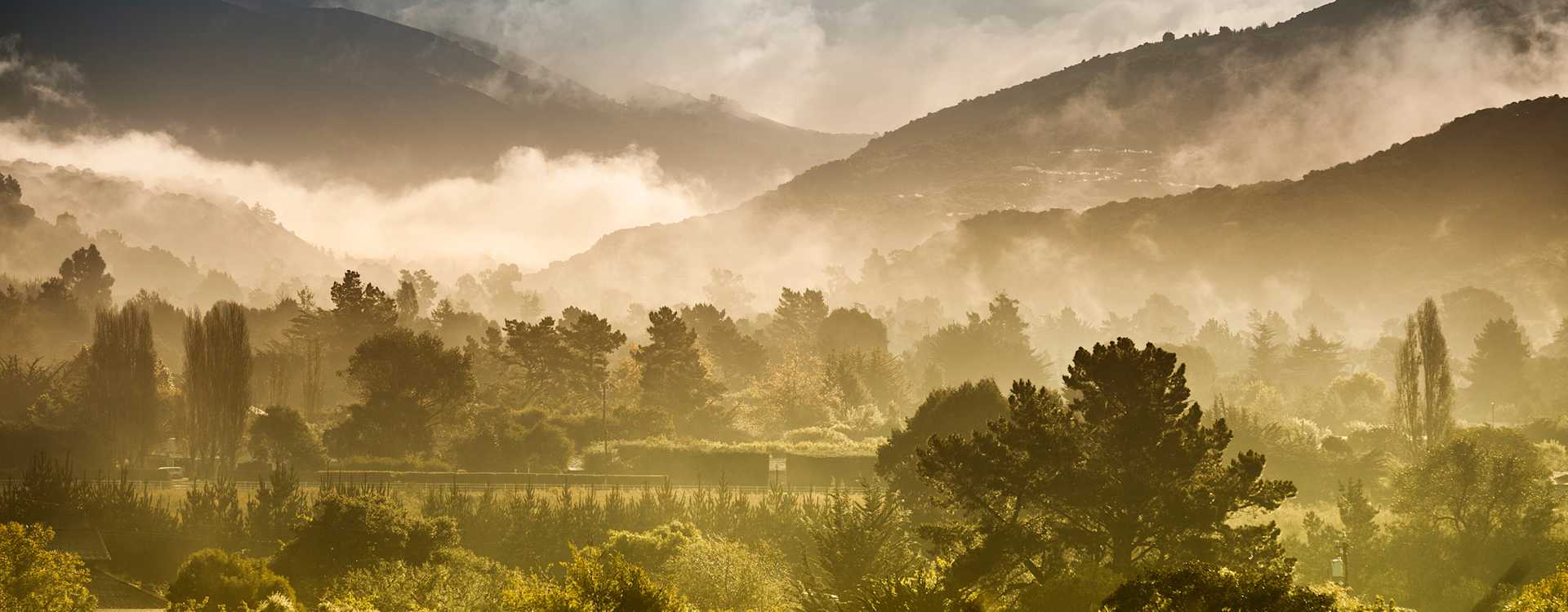
The largest and perhaps most varied of California’s wine-growing regions, the Central Coast produces a good majority of the state's wine. This vast California wine district stretches from San Francisco all the way to Santa Barbara along the coast, and reaches inland nearly all the way to the Central Valley.
Encompassing an extremely diverse array of climates, soil types and wine styles, it contains many smaller sub-AVAs, including San Francisco Bay, Monterey, the Santa Cruz Mountains, Paso Robles, Edna Valley, Santa Ynez Valley and Santa Maria Valley.
While the Central Coast California wine region could probably support almost any major grape varietiy, it is famous for a few Central Coast reds and whites. Pinot Noir, Chardonnay, Cabernet Sauvignon and Zinfandel are among the major ones. The Central Coast is home to many of the state's small, artisanal wineries crafting unique, high-quality wines, as well as larger producers also making exceptional wines.