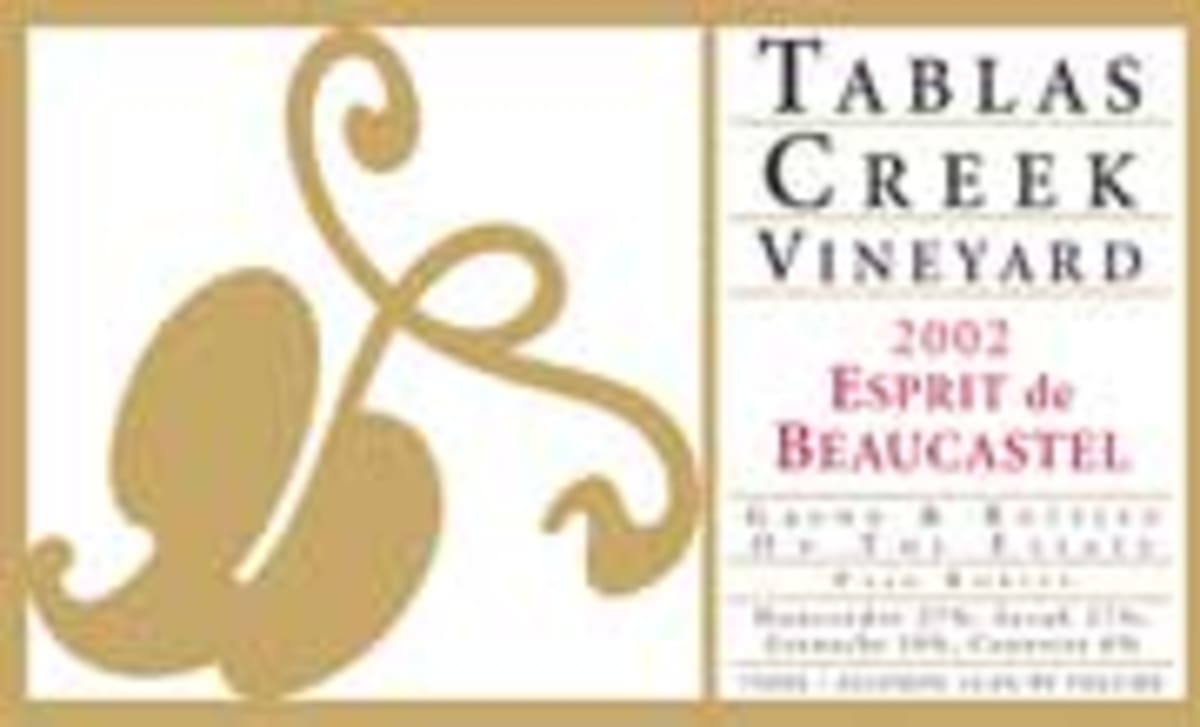

Winemaker Notes
The 2002 vintage was beautifully balanced at the vineyard: warm sunny days persisted through the ripening season, without the intense baking heat that can dampen the varietals' aromatics. Consistent warmth shortened the harvest, which began on September 18th with the Syrah, and finished with the last lots of Counoise and Mourvèdre on October 19th.
Native yeast fermentation was conducted in open and closed stainless steel fermenters and small oak "pieces". After pressing, the wines were racked and blended, and aged for a year in 1200-gallon French oak foudres before being bottled in April, 2002. The wines are unfined and unfiltered.
Professional Ratings
-
Vinous
The 2002 Esprit de Beaucastel is delicate in the glass as rich black raspberry meets sage and cedar on the nose. It’s soothingly round and cooling to the senses with lavender-laced wild berry fruits and a gentle tug of residual tannin. Violet inner florals amass over a tart blackberry concentration as the 2002 finishes long with lasting tension. This is perfectly mature yet in no danger of decline.


With bold fruit flavors and accents of sweet spice, Grenache, Syrah and Mourvèdre form the base of the classic Rhône Red Blend, while Carignan, Cinsault and Counoise often come in to play. Though they originated from France’s southern Rhône Valley, with some creative interpretation, Rhône blends have also become popular in other countries. Somm Secret—Putting their own local spin on the Rhône Red Blend, those from Priorat often include Merlot and Cabernet Sauvignon. In California, it is not uncommon to see Petite Sirah make an appearance.
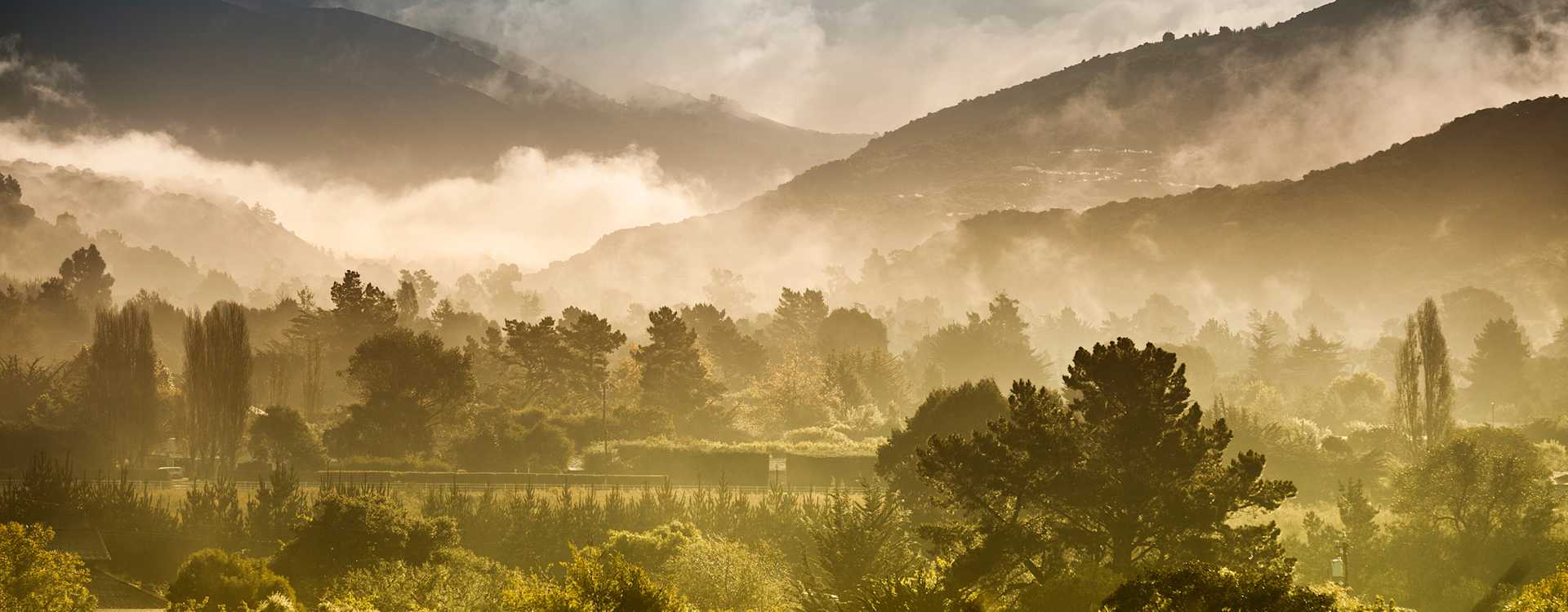
The largest and perhaps most varied of California’s wine-growing regions, the Central Coast produces a good majority of the state's wine. This vast California wine district stretches from San Francisco all the way to Santa Barbara along the coast, and reaches inland nearly all the way to the Central Valley.
Encompassing an extremely diverse array of climates, soil types and wine styles, it contains many smaller sub-AVAs, including San Francisco Bay, Monterey, the Santa Cruz Mountains, Paso Robles, Edna Valley, Santa Ynez Valley and Santa Maria Valley.
While the Central Coast California wine region could probably support almost any major grape varietiy, it is famous for a few Central Coast reds and whites. Pinot Noir, Chardonnay, Cabernet Sauvignon and Zinfandel are among the major ones. The Central Coast is home to many of the state's small, artisanal wineries crafting unique, high-quality wines, as well as larger producers also making exceptional wines.