

Winemaker Notes
The 2001 vintage saw an early spring frost that cut down on the quantity of fruit, but the result was wines of remarkable intensity. A hot, sunny summer further concentrated the grapes, while cool nights maintained the character of the aromatic varietals. The harvest began on August 27th with the Viognier, and continued with Roussanne, then Marsanne, each about a week apart. It concluded with the Grenache Blanc on September 17th.
The fruit is whole cluster pressed, and fermented with native yeasts. The Roussanne was fermented half in stainless steel fermenters and half in small oak "pieces", while the other varietals were fermented 100% in stainless steel. To maintain crisp acidity on the finish, a portion of the Viognier and the Grenache Blanc were prevented from completing malolactic fermentation. The wines were racked, blended, and cold stabilized, and bottled in April 2001.
The 2001 Esprit de Beaucastel Blanc is a richly intense wine, with aromatics of peaches, pears, honeysuckle and anise, and flavors of honey, green apple, pear, and licorice, balanced by crisp acidity on the finish. Best served slightly chilled, but not ice cold.
Professional Ratings


Full-bodied and flavorful, white Rhône blends originate from France’s Rhône Valley. Today these blends are also becoming popular in other regions. Typically some combination of Grenache Blanc, Marsanne, Roussanne and Viognier form the basis of a white Rhône blend with varying degrees of flexibility depending on the exact appellation. Somm Secret—In the Northern Rhône, blends of Marsanne and Roussanne are common but the south retains more variety. Marsanne, Roussanne as well as Bourboulenc, Clairette, Picpoul and Ugni Blanc are typical.
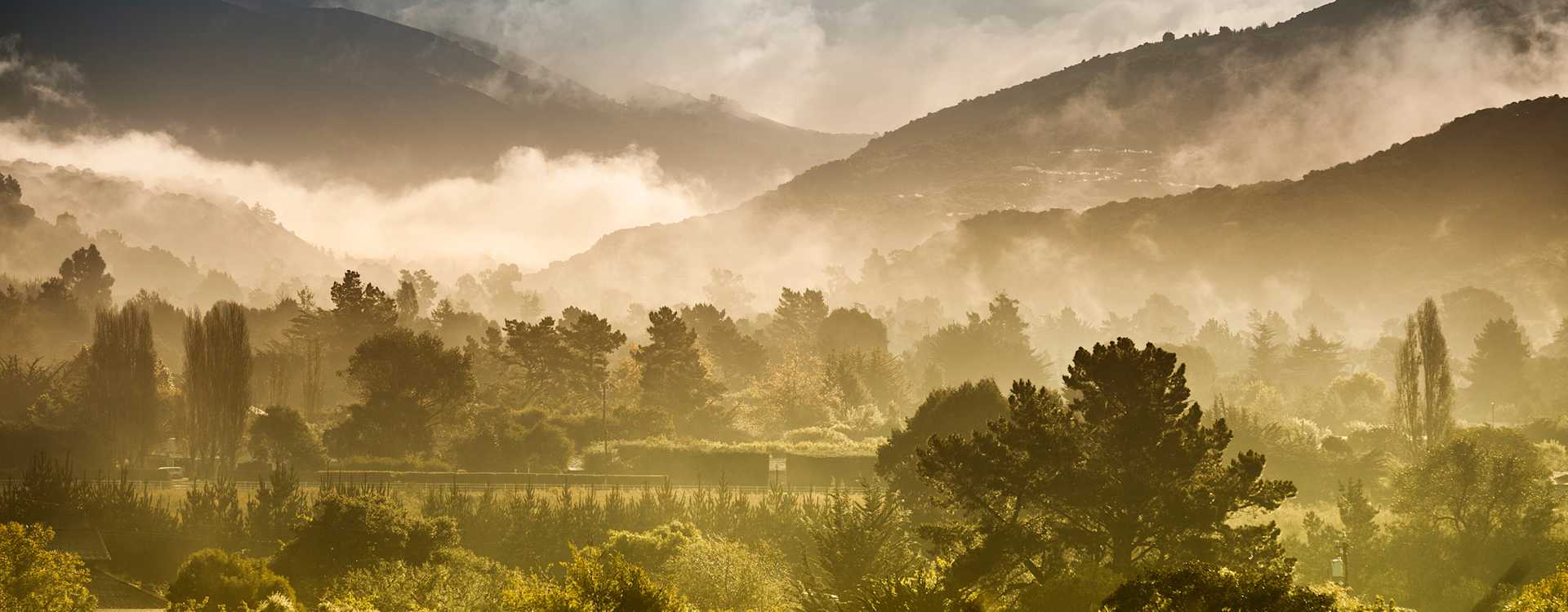
The largest and perhaps most varied of California’s wine-growing regions, the Central Coast produces a good majority of the state's wine. This vast California wine district stretches from San Francisco all the way to Santa Barbara along the coast, and reaches inland nearly all the way to the Central Valley.
Encompassing an extremely diverse array of climates, soil types and wine styles, it contains many smaller sub-AVAs, including San Francisco Bay, Monterey, the Santa Cruz Mountains, Paso Robles, Edna Valley, Santa Ynez Valley and Santa Maria Valley.
While the Central Coast California wine region could probably support almost any major grape varietiy, it is famous for a few Central Coast reds and whites. Pinot Noir, Chardonnay, Cabernet Sauvignon and Zinfandel are among the major ones. The Central Coast is home to many of the state's small, artisanal wineries crafting unique, high-quality wines, as well as larger producers also making exceptional wines.