

Winemaker Notes
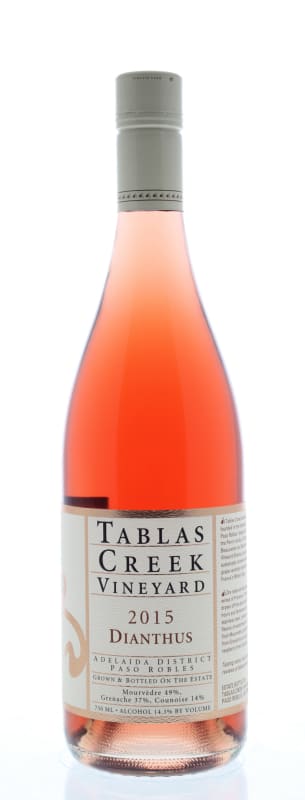
Blend: 49% Mourvedre, 37% Grenache, 14% Counoise
Professional Ratings
-
Connoisseurs' Guide
Darker in color and in all ways a more solid and stuffed wine than its somewhat constrained sibling below, the 2015 Dianthus is a Rosé that ups the ante in terms of substance and depth. It is moderately full-bodied and dry with a fairly big palatal presence and generous flavors that go beyond simple fruit, and the ongoing accents of spice that attend its insistent berry-like themes afford it a distinctly Rhône-like cast. This one is among the more serious, well-filled contenders in the Rosé contingent, and it is a wine that is meant to be saved for the table.
-
Robert Parker's Wine Advocate
Sporting a deeper ruby color (almost Tavel like), the Mourvedre dominated 2015 Rose Dianthus offers a rich, almost meaty style in its ripe raspberry, black cherry, licorice and garrigue scented personality. While there's plenty of savoriness on the nose, this beauty hits the palate with a fabulous, medium-bodied textured that carries tons of fruit while never seemingly heavy or cumbersome. This is a classic food Rosé that will shine at the dinner table and drink well for a year or so.


Whether it’s playful and fun or savory and serious, most rosé today is not your grandmother’s White Zinfandel, though that category remains strong. Pink wine has recently become quite trendy, and this time around it’s commonly quite dry. Since the pigment in red wines comes from keeping fermenting juice in contact with the grape skins for an extended period, it follows that a pink wine can be made using just a brief period of skin contact—usually just a couple of days. The resulting color depends on grape variety and winemaking style, ranging from pale salmon to deep magenta.

Paso Robles has made a name for itself as a source of supple, powerful, fruit-driven Central Coast wines. But with eleven smaller sub-AVAs, there is actually quite a bit of diversity to be found in this inland portion of California’s Central Coast.
Just east over the Santa Lucia Mountains from the chilly Pacific Ocean, lie the coolest in the region: Adelaida, Templeton Gap and (Paso Robles) Willow Creek Districts, as well as York Mountain AVA and Santa Margarita Ranch. These all experience more ocean fog, wind and precipitation compared to the rest of the Paso sub-appellations. The San Miguel, (Paso Robles) Estrella, (Paso Robles) Geneso, (Paso Robles) Highlands, El Pomar and Creston Districts, along with San Juan Creek, are the hotter, more western appellations of the greater Paso Robles AVA.
This is mostly red wine country, with Cabernet Sauvignon and Zinfandel standing out as the star performers. Other popular varieties include Merlot, Petite Sirah, Petit Verdot, Syrah, Grenache and Rhône blends, both red and white. There is a fairly uniform tendency here towards wines that are unapologetically bold and opulently fruit-driven, albeit with a surprising amount of acidity thanks to the region’s chilly nighttime temperatures.