
Winemaker Notes
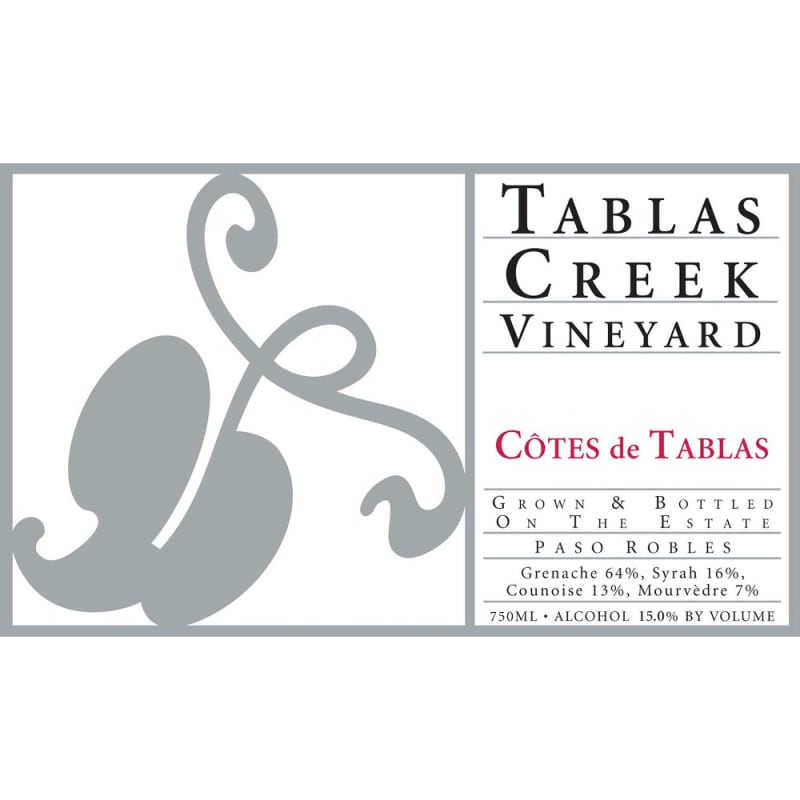
Like most wines of the Southern Rhône, it is a blend of varietals, featuring the fruitiness of Grenache balanced by the spice and structure of Syrah, with meaty, earthy notes from Mourvedre and Counoise. The 2006 Côtes de Tablas has an intensely Grenache nose of cherries, rare steak and pepper. It is medium-bodied, with rich juicy, spicy flavors, gentle ripe tannins and a finish laced with licorice.
89 Points
"The more challenging 2006 vintage has produced a lighter-styled, medium-bodied, soft, pleasant 2006 Côtes de Tablas, a blend of 72% Grenache, 11% Syrah, 9% Mourvèdre, and the rest mixed varietals. It exhibits a dark ruby color, medium body, soft fruit, plenty of red currant and smoked duck notes, and hints of licorice as well as mint." Robert Parker's
Wine Advocate
"Bright red. Impressively complex nose offers a complex array of red fruits, flowers and spices, along with cured meat and smoky minerals. Deep, sweet and focused, displaying energetic
raspberry and cherry flavors and picking up tangy minerals on the back end. Sweet red fruits linger on the finish, which is refreshingly spicy and brisk. General manager Jason Haas told me that they like 2006 here 'because of the vintage's great purity and freshness.'" 91 Points
International Wine Cellar
November/December 2008


With bold fruit flavors and accents of sweet spice, Grenache, Syrah and Mourvèdre form the base of the classic Rhône Red Blend, while Carignan, Cinsault and Counoise often come in to play. Though they originated from France’s southern Rhône Valley, with some creative interpretation, Rhône blends have also become popular in other countries. Somm Secret—Putting their own local spin on the Rhône Red Blend, those from Priorat often include Merlot and Cabernet Sauvignon. In California, it is not uncommon to see Petite Sirah make an appearance.
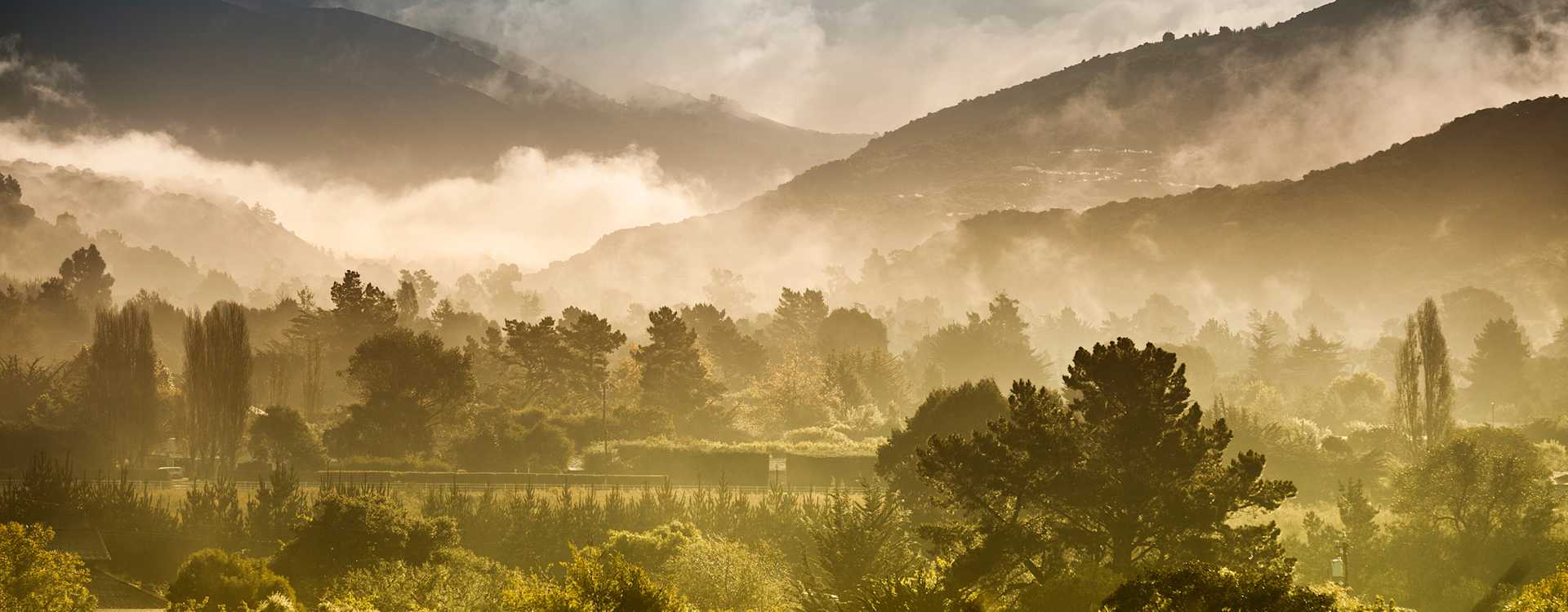
The largest and perhaps most varied of California’s wine-growing regions, the Central Coast produces a good majority of the state's wine. This vast California wine district stretches from San Francisco all the way to Santa Barbara along the coast, and reaches inland nearly all the way to the Central Valley.
Encompassing an extremely diverse array of climates, soil types and wine styles, it contains many smaller sub-AVAs, including San Francisco Bay, Monterey, the Santa Cruz Mountains, Paso Robles, Edna Valley, Santa Ynez Valley and Santa Maria Valley.
While the Central Coast California wine region could probably support almost any major grape varietiy, it is famous for a few Central Coast reds and whites. Pinot Noir, Chardonnay, Cabernet Sauvignon and Zinfandel are among the major ones. The Central Coast is home to many of the state's small, artisanal wineries crafting unique, high-quality wines, as well as larger producers also making exceptional wines.