
Winemaker Notes
Professional Ratings
-
Robert Parker's Wine Advocate
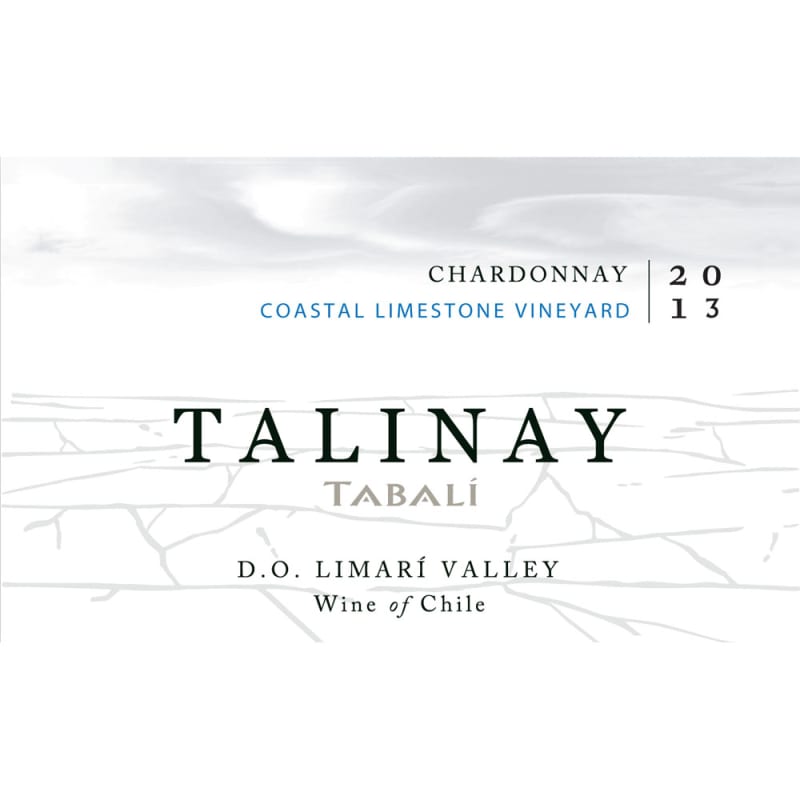
The 2013 Talinay Chardonnay is produced from a special vineyard in Limarí very close to the sea, a place they call Talinay, one of the very few locations in Chile to have a limestone mother rock. None of the whites here go through malolactic and they have high acidity and very low pH (around 3.2), which provide for a very mineral, austere profile. This is very young, with a very soft imprint from the élevage. The nose is quite subtle and elegant with hints of white flowers, still very young and a little shy. The palate is very intense, with very elegant flavors, a silky texture and great balance. It has a very Burgundian profile, with great elegance and freshness. This is young and approachable but still very primary. It should develop more nuances with time in bottle. It feels like it should have a long life ahead.
-
James Suckling
A full-bodied sauvignon with plenty of sliced lemon and lime character. Stones too. Pretty wine. Drink now.


One of the most popular and versatile white wine grapes, Chardonnay offers a wide range of flavors and styles depending on where it is grown and how it is made. While it tends to flourish in most environments, Chardonnay from its Burgundian homeland produces some of the most remarkable and longest lived examples. California produces both oaky, buttery styles and leaner, European-inspired wines. Somm Secret—The Burgundian subregion of Chablis, while typically using older oak barrels, produces a bright style similar to the unoaked style. Anyone who doesn't like oaky Chardonnay would likely enjoy Chablis.

Part of the Coquimbo region and a key location for pisco production, the Limari Valley is one of the northern most wine producing regions of Chile. The other two, also part of Coquimbo, are the Elqui and less-developed Choapa Valleys. While more vineyard area is dedicated to pisco production (via the grapes of Muscat of Alexandria, Pedro Jimenez, Moscatel de Asturia and Torontel), the acreage under vine for still wine production has increased. The intense sunlight in the Limari Valley, coupled with little rainfall as well as the cooling effect of the Humboldt Current from the Pacifc Ocean, all make the area ideal for cool climate grapes like Chardonnay and Pinot noir.