


Winemaker Notes
Blend: 38% Torrontes, 32% Sauvignon Blanc, 30% Semillon
Professional Ratings
-
Vinous
The 2023 White Blend Signature combines Torrontés, Sauvignon Blanc and Sémillon from Uco Valley. It spent up to five months on oak barrels. The soft floral profile features green notes, lime and a hint of pea and mint. Light- bodied and agile on the palate, it offers a delicate finish with refreshing acidity.
-
Wilfred Wong of Wine.com
I have visited Susana Balbo many times in Argentina and met her in California. She founded her winery in 1999 and was Argentina's first female winemaker. Susana is one of the world's top and most influential wine producers. The 2023 Susana Balbo Signature Brioso White Blend is a stylish blend of Torrontés, Sauvignon Blanc, and Sémillon. This wine excels in aromas and flavors of delicate floral scents, ripe apples, and fragrant spice. Try it with Thai Basil Pork. (Tasted: October 28, 2024, San Francisco, CA)
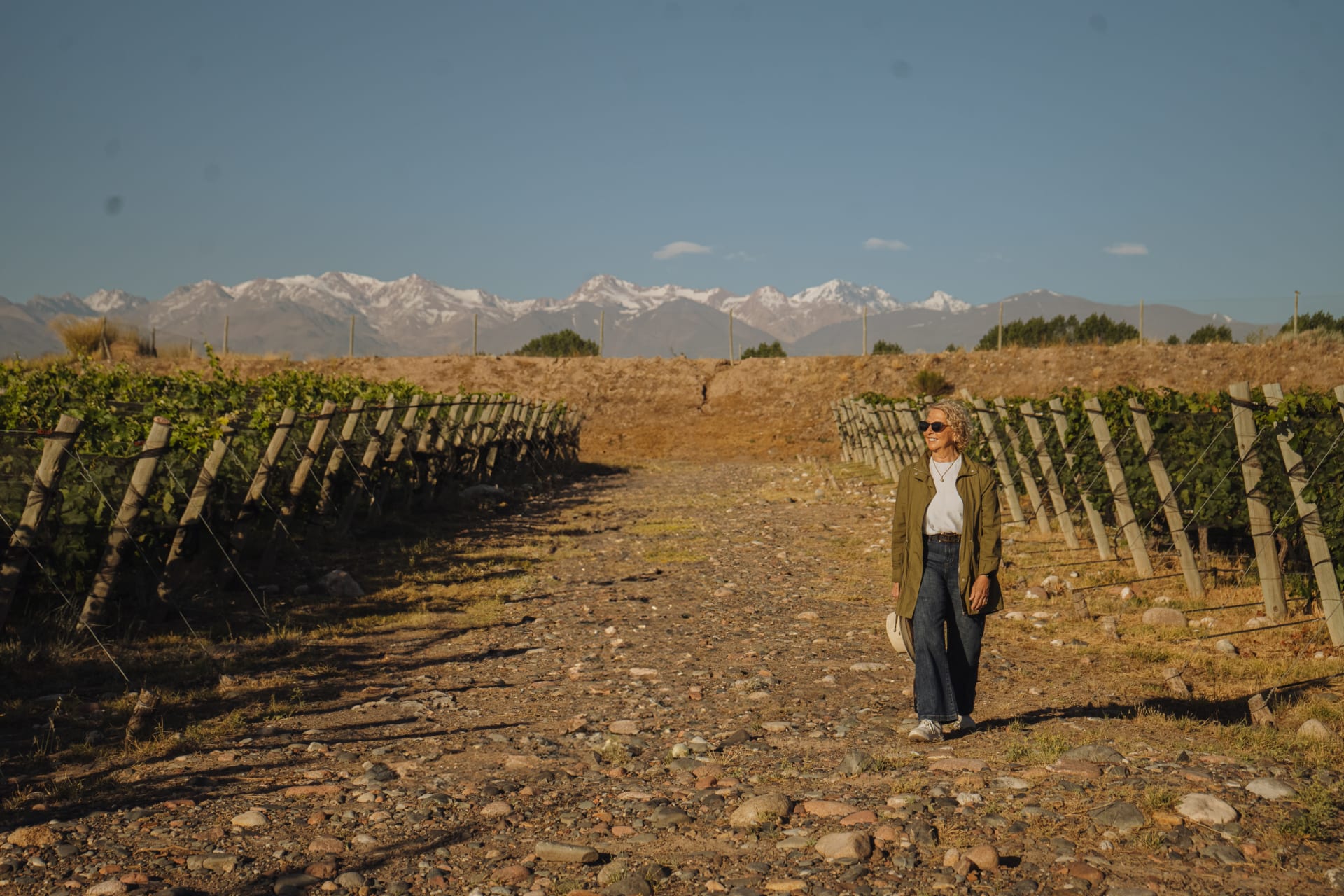


Susana Balbo graduated from Don Bosco University in Mendoza in 1981 and established herself as Argentina’s first female enologist and, since then, has been considered one of Argentina’s top winemakers. Three times her industry peers elected her to the Presidency of Wines of Argentina because of her work ethic, innovative winemaking techniques and dedication to the worldwide success of Argentine wine.
After working for twenty years as a consulting winemaker, Susana founded her own brand in 2000. In 2001, she broke ground for her winery in Agrelo in the Luján de Cuyo district of Mendoza. There, she makes her Susana Balbo "Signature" line of wines, as well as wines under the Crios, Nosotros and BenMarco labels. Her winemaking approach for the wines that bear her name is to seamlessly apply her human touch and enhance the grape’s innate character.
Over several decades of winemaking in Argentina, Susana has earned a reputation for a pioneering spirit and innovation. She is known for experimenting with various barrel sizes and aging regimens, fermentation of wine in egg-shaped concrete fermenters, and wild yeast fermentations. The Wine Advocate's Luis Gutierrez dubbed her groundbreaking barrel-fermented Torrontés one of the "10 Argentine Wines to Drink before You Die."
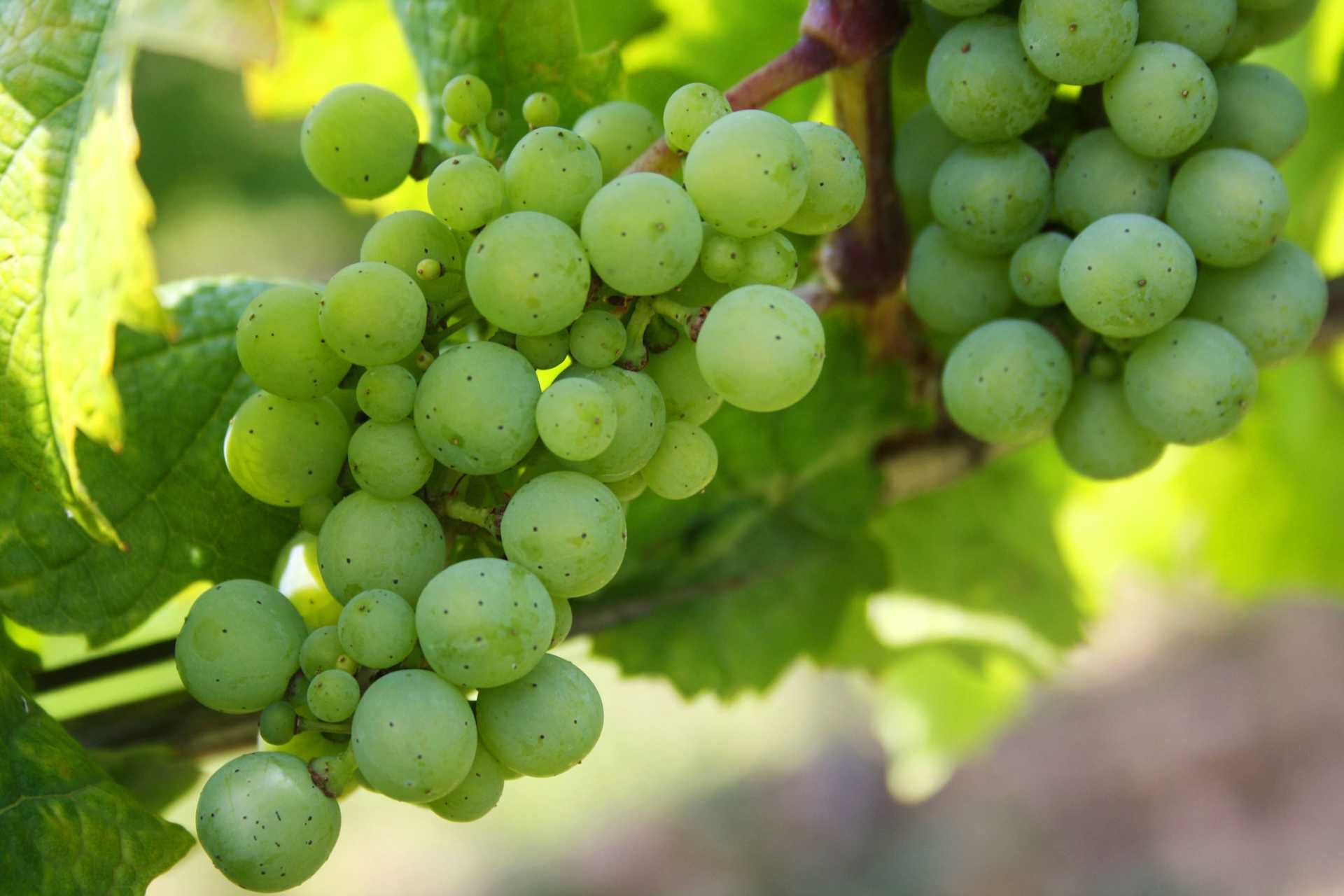
With hundreds of white grape varieties to choose from, winemakers have the freedom to create a virtually endless assortment of blended white wines. In many European regions, strict laws are in place determining the set of varieties that may be used in white wine blends, but in the New World, experimentation is permitted and encouraged. Blending can be utilized to enhance balance or create complexity, lending different layers of flavors and aromas. For example, a variety that creates a soft and full-bodied white wine blend, like Chardonnay, would do well combined with one that is more fragrant and naturally high in acidity. Sometimes small amounts of a particular variety are added to boost color or aromatics. Blending can take place before or after fermentation, with the latter, more popular option giving more control to the winemaker over the final qualities of the wine.

By far the largest and best-known winemaking province in Argentina, Mendoza is responsible for over 70% of the country’s enological output. Set in the eastern foothills of the Andes Mountains, the climate is dry and continental, presenting relatively few challenges for viticulturists during the growing season. Mendoza, divided into several distinctive sub-regions, including Luján de Cuyo and the Uco Valley, is the source of some of the country’s finest wines.
For many wine lovers, Mendoza is practically synonymous with Malbec. Originally a Bordelaise variety brought to Argentina by the French in the mid-1800s, here it found success and renown that it never knew in its homeland where a finicky climate gives mixed results. Cabernet Sauvignon, Syrah, Merlot and Pinot Noir are all widely planted here as well (and sometimes even blended with each other or Malbec). Mendoza's main white varieties include Chardonnay, Torrontés, Sauvignon Blanc and Sémillon.