


Winemaker Notes
Clear and brilliant in appearance, Massifitti displays intense aromas of stone fruit, white flower blossom, and mineral. On the palate the texture is creamy and the wine showcases defined minerality and vibrant acidity. All of these characteristics culminate in a long and focused finish.
While ideal as an aperitif, Massifitti pairs nicely with vegetable antipasti like grilled peppers and eggplant as well as fish-based main courses. Also excellent with raw shellfish or sashimi.
Blend: 100% Trebbiano
Professional Ratings
-
Robert Parker's Wine Advocate
I always look forward to tasting this excellent value wine. The organic Suavia 2021 Trebbiano Massifitti (with 20,000 bottles made) shows a sharp and chiseled quality with pear, quince and crushed stone. The Tessari sisters who run this winery were among the first to bottle Trebbiano di Soave as a monovarietal wine, and many have followed suit. What I like most is how this grape has morphed into a Garganega-like profile with extra freshness and minerality. There is a note of sweet honeydew melon on the finish of this unoaked white.
-
Wine Spectator
A juicy version, with a silky texture, this offers flavors of baked apricot, orange, lemon thyme and grated ginger. Minerally stone and smoke come to the fore on the lightly spiced, well-cut finish.


Compared to other white wine-producing varieties, Trebbiano claims some of the most vineyard acreage on a global scale. There are six distinct varieties with Trebbiano as part of their name in Italy alone. Trebbiano Toscano, one of the most popular, is deliciously light and crisp. Trebbiano d’Abruzzo actually has some aging potential when handled carefully. Somm Secret—Known as Ugni Blanc in France, Trebbiano is responsible for the whites in Southwest, France called Gascogne Blanc.
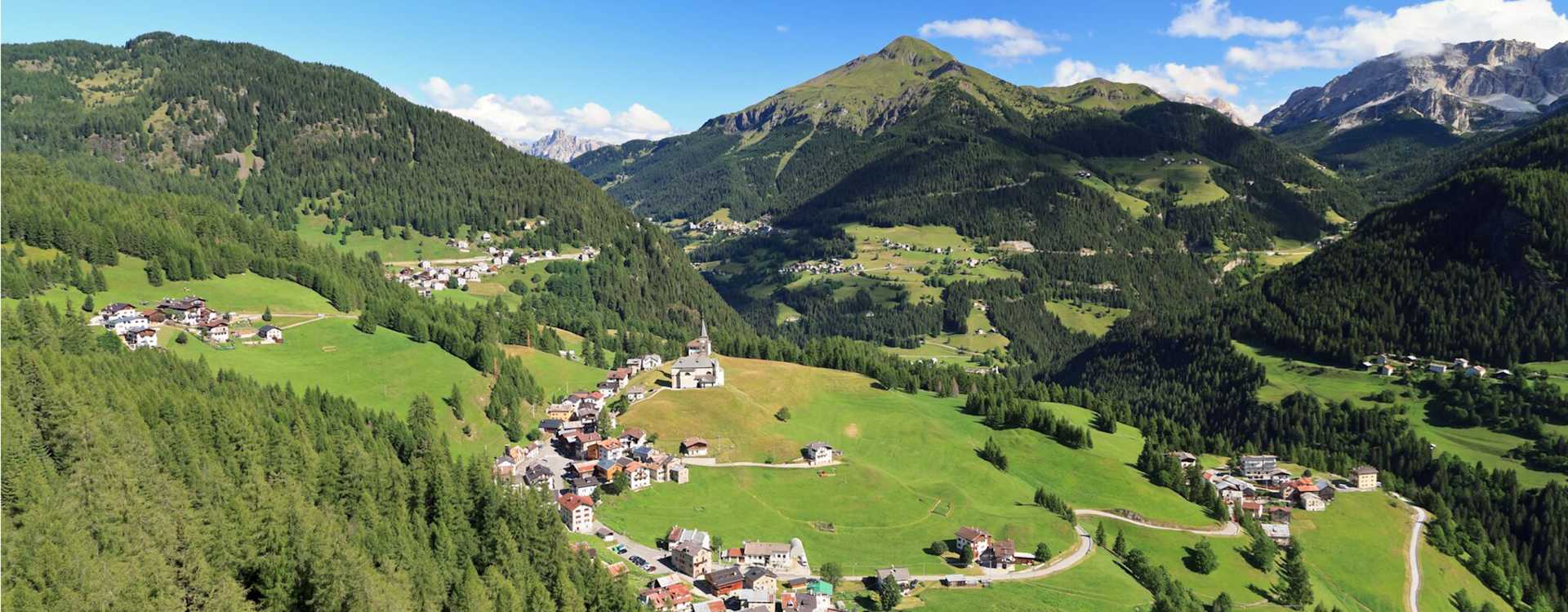
Part of the greater Veneto wine region, Verona, the city, is the capital of Italy’s wine trade, hosting the country’s most important wine fair, Vinitaly, each year.
Everyday-drinking red and white blends can also be bottled under the heading Veronese IGT or IGP if they are comprised of approved Veneto grape varieties. Typically for reds, these include Cabernet Franc, Cabernet Sauvignon, Corvina, Corvinone and Merlot among others. For whites, the approved grapes include Chardonnay, Friulano, Garganega, Pinot Bianco, Trebbiano and others. Rosato can also be labeled in this way with the same varieties approved for red blends. These wines represent an affordable introduction to the wines of the area.