


Winemaker Notes
Professional Ratings
-
James Suckling
Flinty reduction with “sharpened” lemon zest to the nose and a palate that attacks you with its brightness. Bone-dry and slightly demanding, but extremely fresh and zippy for trebbiano. Lots of lime juice in the end before a pithy finish.
-
Wine Spectator
A fresh, medium-bodied white, with well-cut acidity and a lightly chalky texture framing ripe pear, lightly grilled macadamia nut, grapefruit pith and a touch of chive blossoms. Salty finish.


Compared to other white wine-producing varieties, Trebbiano claims some of the most vineyard acreage on a global scale. There are six distinct varieties with Trebbiano as part of their name in Italy alone. Trebbiano Toscano, one of the most popular, is deliciously light and crisp. Trebbiano d’Abruzzo actually has some aging potential when handled carefully. Somm Secret—Known as Ugni Blanc in France, Trebbiano is responsible for the whites in Southwest, France called Gascogne Blanc.
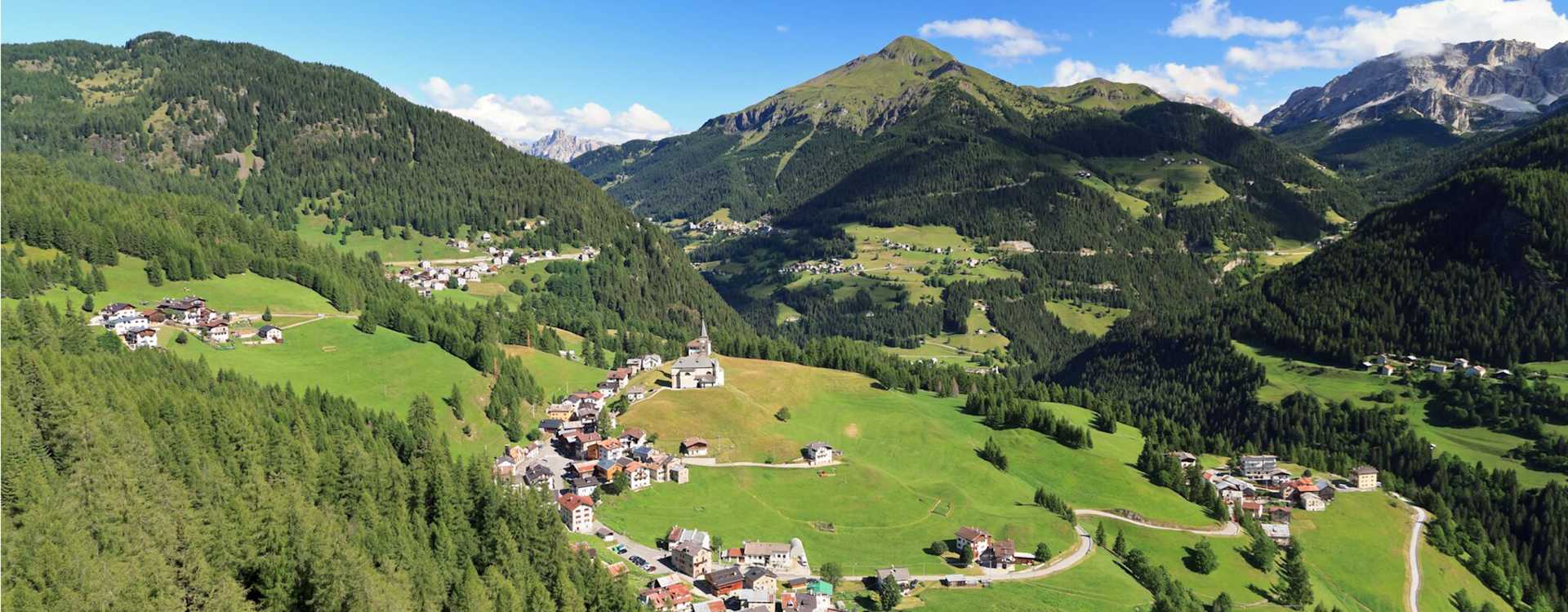
Part of the greater Veneto wine region, Verona, the city, is the capital of Italy’s wine trade, hosting the country’s most important wine fair, Vinitaly, each year.
Everyday-drinking red and white blends can also be bottled under the heading Veronese IGT or IGP if they are comprised of approved Veneto grape varieties. Typically for reds, these include Cabernet Franc, Cabernet Sauvignon, Corvina, Corvinone and Merlot among others. For whites, the approved grapes include Chardonnay, Friulano, Garganega, Pinot Bianco, Trebbiano and others. Rosato can also be labeled in this way with the same varieties approved for red blends. These wines represent an affordable introduction to the wines of the area.