
Winemaker Notes
Professional Ratings
-
Wine & Spirits
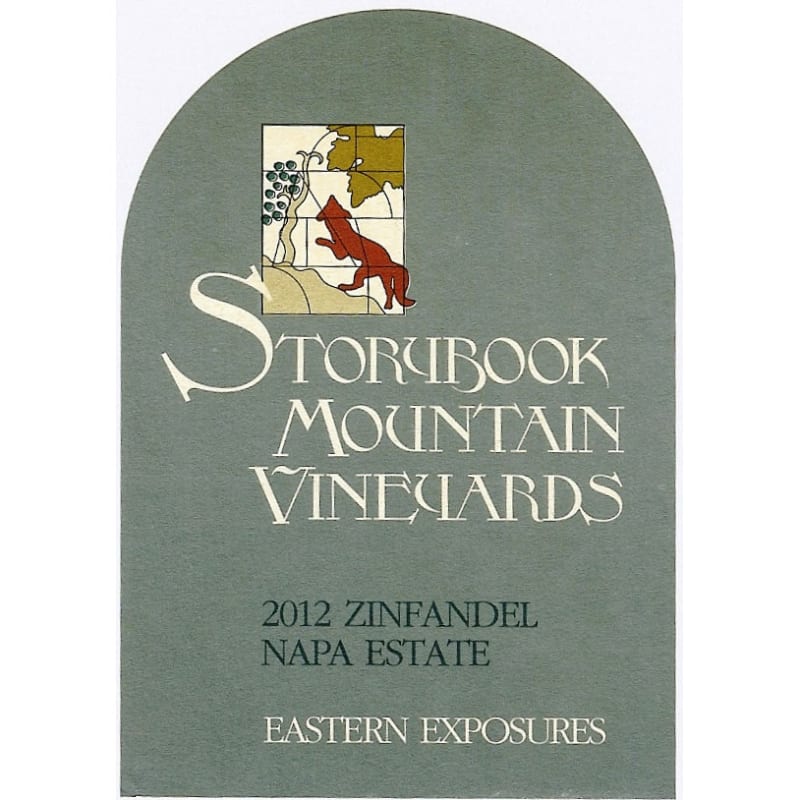
Jerry Seps is a man on a mission: If he keeps growing delicious, transparent zinfandel on his hillside facing Mount St. Helena, people may eventually get the message that the vine can produce remarkable Napa Valley reds. More expressive than most contemporary zinfandels—and many Napa Valley cabernets—this wine bursts out of the glass with its savory fruit. It’s like chewing on perfectly ripe grape skins that keep yielding juice, scents of flowers, notes of iron and blood. Light in color and long on flavor, this is a zin to decant for a rustic harvest dinner, particularly if there’s roast goat on the menu.


Undoubtedly proving its merit over and over, Napa Valley is a now a leading force in the world of prestigious red wine regions. Though Cabernet Sauvignon dominates Napa Valley, other red varieties certainly thrive here. Important but often overlooked include Merlot and other Bordeaux varieties well-regarded on their own as well as for their blending capacities. Very old vine Zinfandel represents an important historical stronghold for the region and Pinot noir is produced in the cooler southern parts, close to the San Pablo Bay.
Perfectly situated running north to south, the valley acts as a corridor, pulling cool, moist air up from the San Pablo Bay in the evenings during the hot days of the growing season, which leads to even and slow grape ripening. Furthermore the valley claims over 100 soil variations including layers of volcanic, gravel, sand and silt—a combination excellent for world-class red wine production.