


Winemaker Notes
The Upper Barn Vineyard produces our most transporting Chardonnay, delivering a truly unique wine that can only be crafted from this site 1,800ft up the mountain. The stars continue to align as this vineyard continues to produce wines with density and a dreamy mix of aromatics and texture. The texture of the 2019 Upper Barn Vineyard Chardonnay is both opulent and elegant, with aromas of stargazer lily, kumquat, and fennel, with the unique concentration and structure that will only improve with cellaring. This wine is perfectly balanced with flavors of honeycomb, nectarine preserves, and almond. The finish is round and mouthwatering, with lingering flavors on the palate.
Professional Ratings
-
Jeb Dunnuck
The 2019 Chardonnay Upper Barn Vineyard brings serious richness and depth yet still has a more mineral-laced, pure, balanced style. Ripe tangerines, white currants, brioche, honeyed minerality, and toast all dominate the bouquet, and this beauty is balanced, with nicely integrated acidity and a great finish. It doesn't match the vibrancy and precision of the 2017 and is more in the softer, more rounded style of the 2018.
-
Wine Enthusiast
From a site at an 1,800-foot elevation, this wine is oaky and spiced, with an opening of lush apple, nutmeg and tropical flair. Minerality enters in the form of crushed rock, with well-hewn structure and high acidity at play. A note of butterscotch lingers on the finish.
-
Robert Parker's Wine Advocate
The 2019 Chardonnay Upper Barn Vineyard, matured in 50% new oak for 10 months, is reticent on the nose, taking a lot of time to segue from flint to baked apples, panna cotta and toast. The light-bodied palate features savory flavors complemented by lively acidity, and it has an expansive, spicy finish.
-
Decanter
From the Upper Barn vineyard at over 480m in the Alexander Valley planted in 1982 to Old Wente clone Chardonnay, old vines in this part of California for Chardonnay. 2019 shows the early makings of the 2011 and is developing a similar elegance but is complete in its richenss of fruit at present. Cardamom and bruised apples and accents of lemon cream aromatics lean into a palate of lemon cream, honeyed peach and almond notes. It doesn't show the laser precision of the 2011 but offers generous, ample fruit.


One of the most popular and versatile white wine grapes, Chardonnay offers a wide range of flavors and styles depending on where it is grown and how it is made. While it tends to flourish in most environments, Chardonnay from its Burgundian homeland produces some of the most remarkable and longest lived examples. California produces both oaky, buttery styles and leaner, European-inspired wines. Somm Secret—The Burgundian subregion of Chablis, while typically using older oak barrels, produces a bright style similar to the unoaked style. Anyone who doesn't like oaky Chardonnay would likely enjoy Chablis.
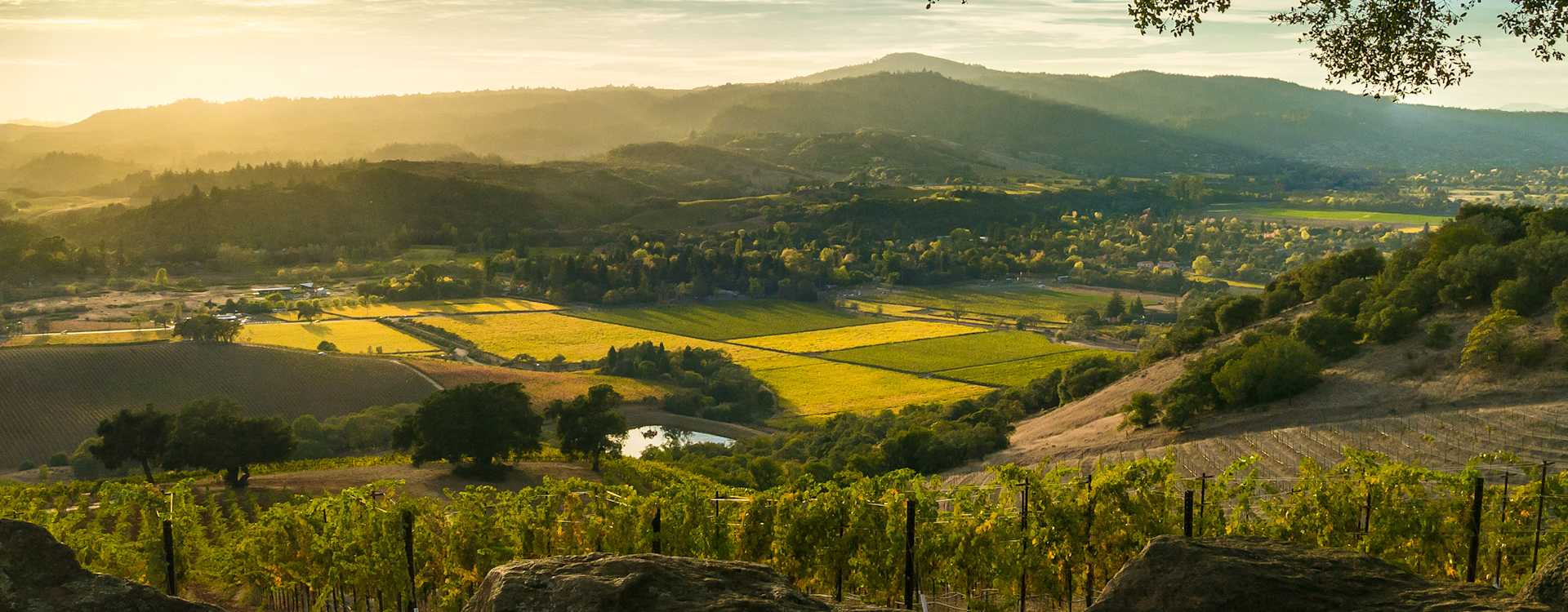
Home to a diverse array of smaller AVAs with varied microclimates and soil types, Sonoma County has something for every wine lover. Physically twice as large as Napa Valley, the region only produces about half the amount of wine but boasts both tremendous quality and variety. With its laid-back atmosphere and down-to-earth attitude, the wineries of Sonoma are appreciated by wine tourists for their friendliness and approachability. The entire county intends to become a 100% sustainable winegrowing region by 2019.
Sonoma County wines are produced with carefully selected grape varieties to reflect the best attributes of their sites—Dry Creek Valley’s consistent sunshine is ideal for Zinfandel, while the warm Alexander Valley is responsible for rich, voluptuous red wines like Cabernet Sauvignon. Chardonnay and Pinot Noir are important throughout the county, most notably in the cooler AVAs of Russian River, Sonoma Coast and Carneros. Sauvignon Blanc, Merlot and Syrah have also found a firm footing here.