
Winemaker Notes
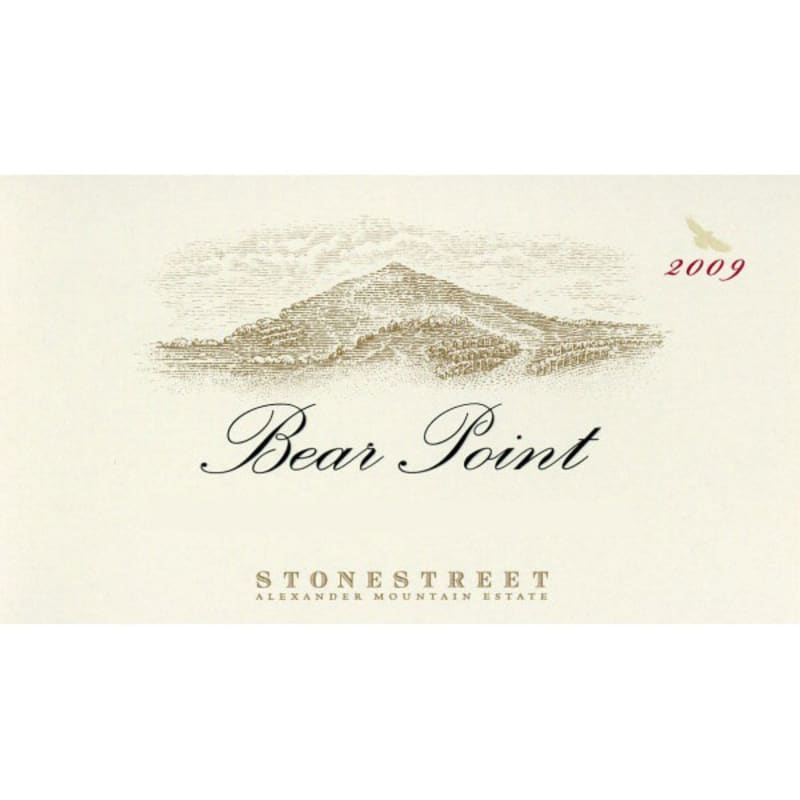
This Cabernet block is situated between 1,000 and 1,200 feet in a cooler spot below the fogline, hence the bandwidth of flavors leans to electric blue/red fruits—which is unique from the mountain. Floral, fresh cigar and orange peel notes lift out of the glass along with red currant and pomegranate. The texture is seamless and elegant, with fine-grained tannins.
Professional Ratings
-
Robert Parker's Wine Advocate
The 2009 Cabernet Sauvignon Bear Point has a medium to deep garnet color with an earthy, meaty, gamey nose to begin, featuring notes of chargrill, salami, new leather, truffles and tobacco over a core of crème de cassis and plum preserves with hints of dried herbs and Indian spices. Medium-bodied, elegantly played and sporting great freshness, the chewy frame supports the earthy/savory core of fruit, and it finishes long and spicy. 511 cases were made.
-
Wine Enthusiast
So smooth and lush, it’s hard to keep from drinking the whole bottle. Shows wonderfully smooth, sweet blackberries, cherries and raspberries, balanced with supple tannins and fine acidity. Should hold well over the next six years.


A noble variety bestowed with both power and concentration, Cabernet Sauvignon enjoys success all over the globe, its best examples showing potential to age beautifully for decades. Cabernet Sauvignon flourishes in Bordeaux's Medoc where it is often blended with Merlot and smaller amounts of some combination of Cabernet Franc, Malbecand Petit Verdot. In the Napa Valley, ‘Cab’ is responsible for some of the world’s most prestigious, age-worthy and sought-after “cult” wines. Somm Secret—DNA profiling in 1997 revealed that Cabernet Sauvignon was born from a spontaneous crossing of Cabernet Franc and Sauvignon Blanc in 17th century southwest France.

Nearly a northern extension of Napa Valley, Alexander Valley starts just north of the small, Knights Valley, and is just a few minutes drive from the Napa town of Calistoga. It is Sonoma County’s hottest AVA. But the Russian River, which runs through the valley, creates cooler pockets and its soft, alluvial soil is ideal for grape growing, especially Cabernet Sauvignon. In fact, some believe that Alexander Valley Cabernets truly rival the best from Napa Valley and many of the heavy-hitter producers have largely invested here.
In addition to Cabernet Sauvignon, which makes up over 50% of plantings, Merlot and old vine Zinfandel thrive here. Ample, fleshy Chardonnay and Sauvignon Blanc dominate white wine production. Some old-vine plantings of Grenache have also been discovered and more recent experiments with Sangiovese and Barbera show great promise.