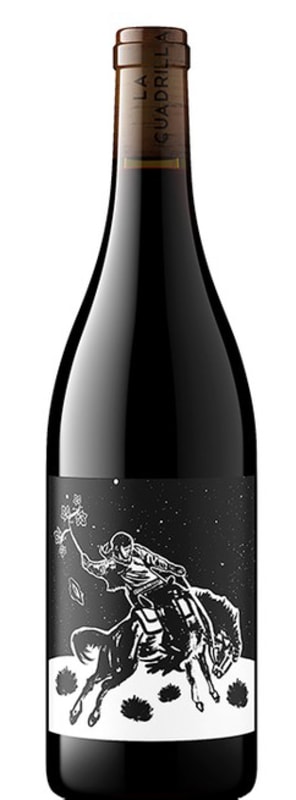


Winemaker Notes
Plush Lavender with hints of fresh, crunchy red berry. A swirl of juicy red to purple plum. The fresh, lively front palate leads into a weighty, more serious middle. Exciting spicy pepper notes trace behind the fruit on the nose and ride over the soft, fine tannin. Dynamic and rewarding now on release, this wine will be supple and luxurious by early 2025 and the “yum quotient” will surely rise exponentially. Even now, with a few minutes of air the 50% Syrah takes command, getting darker and bolder, harkening for grilled red meat. Another dried herb, menthol layer appears, showing future evolution and complexity.
Professional Ratings
-
Robert Parker's Wine Advocate
A blend of Syrah, Grenache, Mourvèdre and Sangiovese whose proceeds are divided among Stolpman's vineyard workers, the 2023 La Cuadrilla is one of the better values in all California wine. It opens with a beautifully floral, energetic nose supplemented with focused, leathery accents. The palate is plush and succulent, concluding with a quenching, juicy and simply delicious finish framed by fine-grained tannins.
-
Vinous
The 2023 La Cuadrilla is a fabulous entry-level offering. Bright, punchy and full of character, the 2023 delivers superb quality and striking purity of fruit. It’s also a fabulous value. This blend of Syrah, Grenache, Mourvèdre and Sangiovese is lights-out.
-
James Suckling
A fresh-tasting, juicy blend from the Stolpman property that's full-bodied, ripe and easy to drink. So affordable. Mild tannins and lots of freshness make it almost gulpable. Contains syrah, grenache, mourvedre and sangiovese.
-
Wine Enthusiast
This vineyard crew-led blend is always a charmer. The blend of 50% Syrah, 20% Grenache, 15% Mourvèdre and 15% Sangiovese offers dark cherry, berry and cigar box aromas on the nose. The palate lands with ripe fruit and toasty flavors, floating atop young, sticky tannins and a zippy acidity.
Editors' Choice -
Jeb Dunnuck
Juicy, forward, and pleasure-bent, the 2023 La Cuadrilla offers ripe Bing cherry and blue fruits, as well as some pepper, herbs, and floral notes. Based on 50% Syrah, 20% Grenache, 15% Mourvèdre, and 15% Sangiovese, fermented with 33% whole clusters and aged 10 months in neutral French oak puncheons, it's medium-bodied with ripe tannins.


With hundreds of red grape varieties to choose from, winemakers have the freedom to create a virtually endless assortment of blended red wines. In many European regions, strict laws are in place determining the set of varieties that may be used, but in the New World, experimentation is permitted and encouraged resulting in a wide variety of red wine styles. Blending can be utilized to enhance balance or create complexity, lending different layers of flavors and aromas. For example, a red wine blend variety that creates a fruity and full-bodied wine would do well combined with one that is naturally high in acidity and tannins. Sometimes small amounts of a particular variety are added to boost color or aromatics. Blending can take place before or after fermentation, with the latter, more popular option giving more control to the winemaker over the final qualities of the wine.
How to Serve Red Wine
A common piece of advice is to serve red wine at “room temperature,” but this suggestion is imprecise. After all, room temperature in January is likely to be quite different than in August, even considering the possible effect of central heating and air conditioning systems. The proper temperature to aim for is 55° F to 60° F for lighter-bodied reds and 60° F to 65° F for fuller-bodied wines.
How Long Does Red Wine Last?
Once opened and re-corked, a bottle stored in a cool, dark environment (like your fridge) will stay fresh and nicely drinkable for a day or two. There are products available that can extend that period by a couple of days. As for unopened bottles, optimal storage means keeping them on their sides in a moderately humid environment at about 57° F. Red wines stored in this manner will stay good – and possibly improve – for anywhere from one year to multiple decades. Assessing how long to hold on to a bottle is a complicated science. If you are planning long-term storage of your reds, seek the advice of a wine professional.
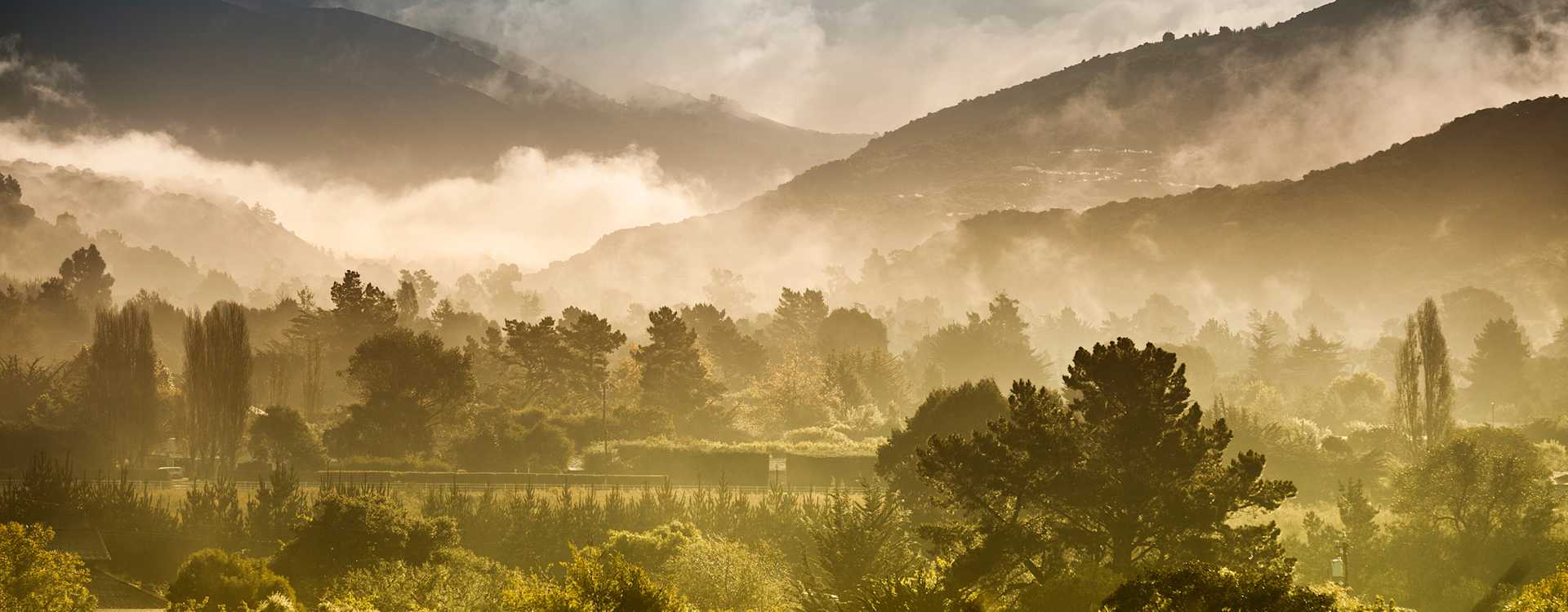
Accounting for only ten percent of the greater Santa Ynez AVA, Ballard Canyon’s north-south orientation provides an ideal pattern of sunshine and martime fog for producing excellent Syrah. While Syrah is planted to half of the total AVA acreage, an additional third is dedicated to other Rhône varieties, red and white.