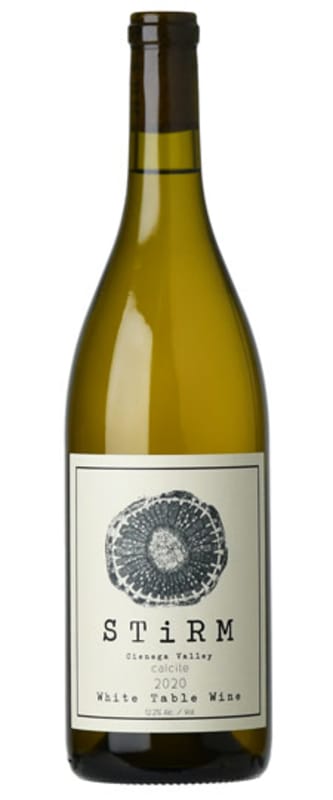


Winemaker Notes
Blend: 88% Riesling, 6% Chardonnay, 6% Scheurebe

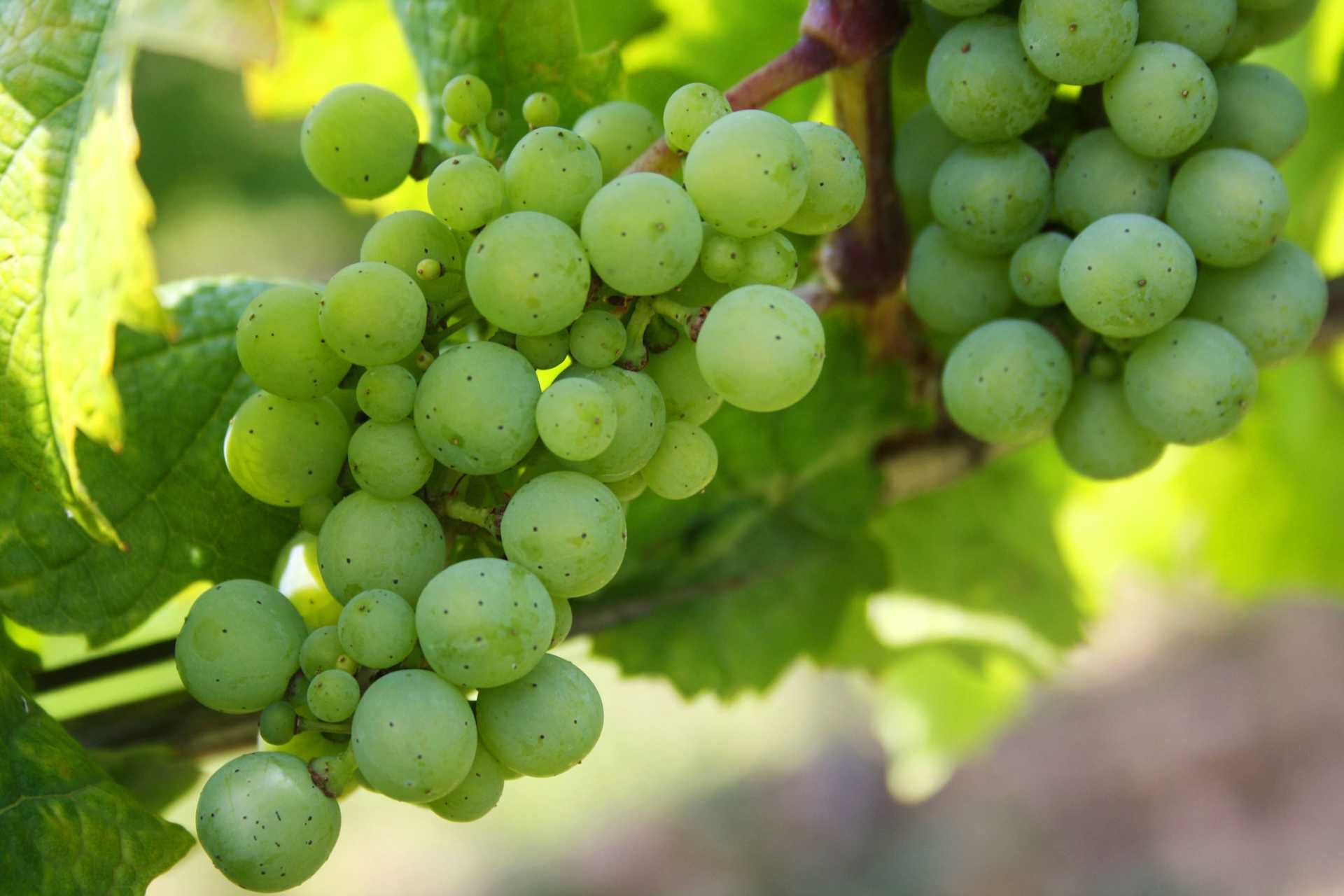
With hundreds of white grape varieties to choose from, winemakers have the freedom to create a virtually endless assortment of blended white wines. In many European regions, strict laws are in place determining the set of varieties that may be used in white wine blends, but in the New World, experimentation is permitted and encouraged. Blending can be utilized to enhance balance or create complexity, lending different layers of flavors and aromas. For example, a variety that creates a soft and full-bodied white wine blend, like Chardonnay, would do well combined with one that is more fragrant and naturally high in acidity. Sometimes small amounts of a particular variety are added to boost color or aromatics. Blending can take place before or after fermentation, with the latter, more popular option giving more control to the winemaker over the final qualities of the wine.
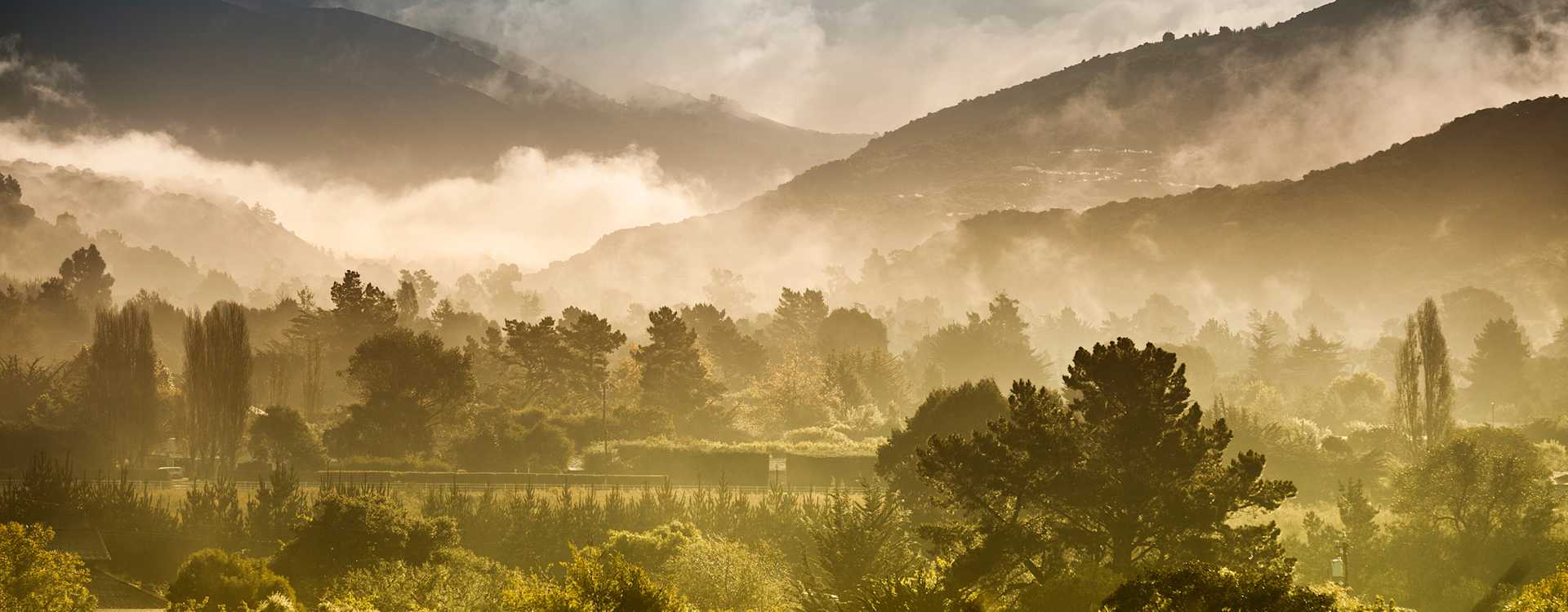
Part of the larger Central Coast AVA, the valley was historically an important source of grapes for Almaden Vineyards before it was acquired by Constellation Brands in the 1980s. At 1,100 feet, the San Andreas Fault divides the valley so that one side is granite and sandstone, and the other is granite and limestone. Its position along the San Andreas fault makes the region well suited for excellent Central Coast wine production. Top varietals include Zinfandel, Chardonnay, Pinot Noir, Riesling, and rose.