


Winemaker Notes
The 2017 Cabernet Sauvignon – Ghielmetti Estate Vineyard is the first of the 2017 vintage Cabernets to be released; its striking viscosity, tannin, and overall heft reinforces the winery's belief in the superlative quality of this vintage. Layers of black and dark fruit aromas combined with graceful wood notes dominate the nose. On entry, this wine is gigantic. A wonderfully rich mouthfeel (the baby fat is strong in this one) leads to a long and opulent mid-palate. On the finish, the wine’s substantial tannins peek through though, they will be significantly more obvious with a few years of bottle age. The Clone 30 component, which is their favorite Cabernet block in Livermore, was the first of their wines to be fermented at temperature in a stainless-steel tank. The must was heated and rose to a temperature of about 92 degrees during the first few days of primary fermentation. Regular pump-overs and heat helped to extract significant amount of tannin and anthocyanin, which gives the wine its color density and mouthfeel. This offering should age gracefully for more than 20 years, and we believe this wine showcases a vision for Cabernet Sauvignon that is in keeping with the world-class potential of the Livermore Valley


A noble variety bestowed with both power and concentration, Cabernet Sauvignon enjoys success all over the globe, its best examples showing potential to age beautifully for decades. Cabernet Sauvignon flourishes in Bordeaux's Medoc where it is often blended with Merlot and smaller amounts of some combination of Cabernet Franc, Malbecand Petit Verdot. In the Napa Valley, ‘Cab’ is responsible for some of the world’s most prestigious, age-worthy and sought-after “cult” wines. Somm Secret—DNA profiling in 1997 revealed that Cabernet Sauvignon was born from a spontaneous crossing of Cabernet Franc and Sauvignon Blanc in 17th century southwest France.
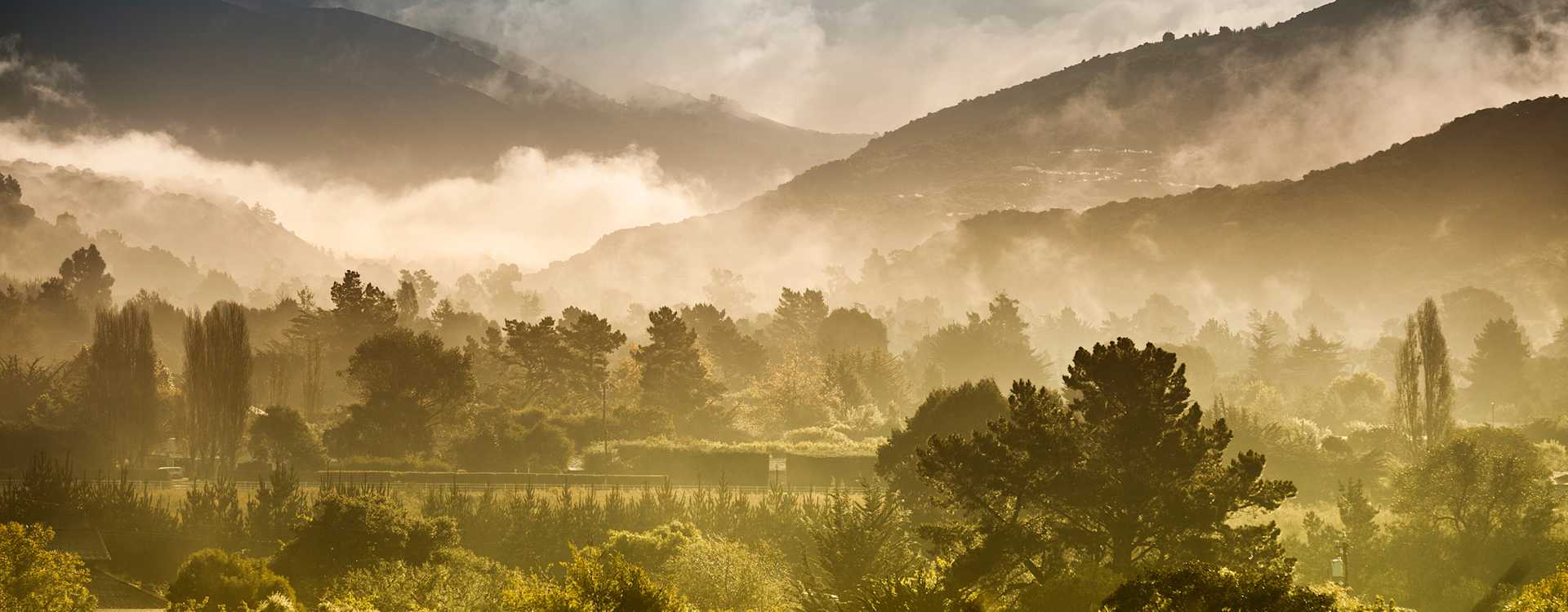
A warm sub-appellation of the greater San Francisco Bay AVA (American Viticultural Area), Livermore Valley mainly hides behind the shielding effects of the bay’s eastern hills. However, late afternoon winds cool down summer nights as daytime heat rises from the Central Valley in the east, pulling the cold, foggy, bay air inland. This cooler evening air permeates the Livermore Valley's foothills, making this an ideal environment for the development of phenolic ripeness and concentration in its wine grapes.
The Livermore Valley is one of California's oldest wine regions and has played a crucial role in shaping California's wine industry. Spanish missionaries planted the first wine grapes in the Livermore Valley in the 1760s. Then in the mid 1800s, a man named Robert Livermore planted the area’s first commercial vineyards. Winemaker pioneer C. H. Wente arrived a few years later; today the Wente Chardonnay clone is the source of a majority of California Chardonnay. Furthermore, James Concannon and the Wetmore brothers recognized the virtues of the area’s Bordeaux-like gravel soils and dedicated themselves to making high quality wine from Bordeaux varieties. Today the area is also known for high quality Petite Sirah.