
Winemaker Notes
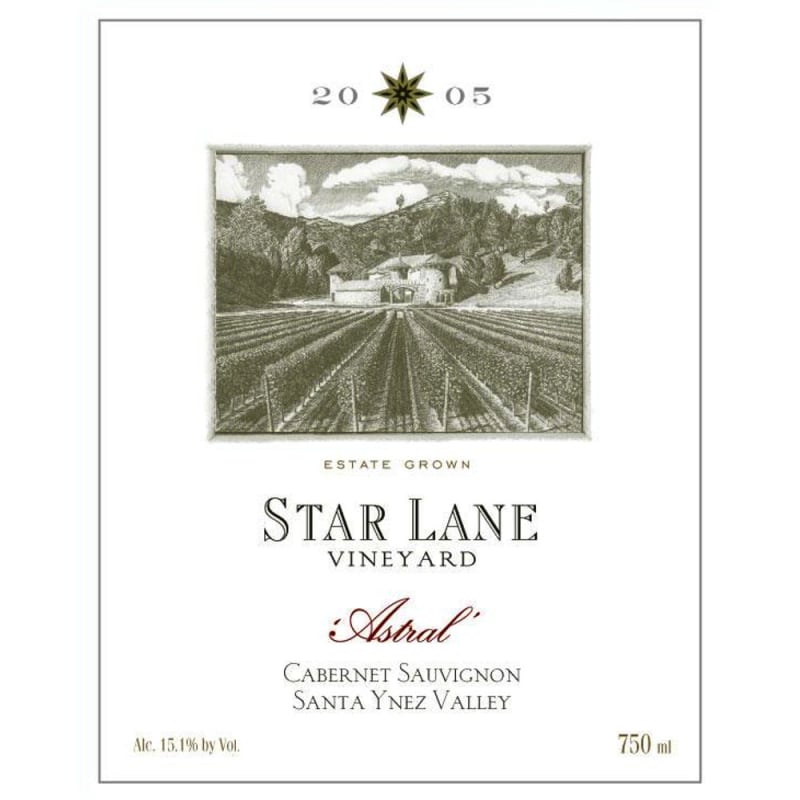
The 2005 Star Lane Astrale Cabernet Sauvignon shows immense concentration, with huge, lush tannins that frame tightly layered cassis, blackberry, plum, coffee, chocolate, spice, vanilla and smoke flavors. Sporting a suppleness that belies its youth, the wine is drinking beautifully now. but we suspect it will offer collectors many years of pleasure to come.
Professional Ratings
-
Connoisseurs' Guide
A few issues back, Star Lane's basic Cabernet earned glowing praise, and this, its fancier sibling, does the same. Big, optimally ripened and positively plush on the palate, it delivers a wealth of luscious, curranty fruit with the sweet, vanilla-bean trappings of first-rate oak making it all the more enticing. It is so fruity that its late-arriving tannins come as a surprise reminder that it is still very young, and a better wine will yet await the collector who can exercise five years of patience.
-
Wine Enthusiast
This might be the most expensive Cab ever from Santa Barbara County. It’s certainly a serious wine, full-bodied and rich, with the finely ground tannins you find in Napa Valley. The flavors aren’t bad either, all about cassis, cherries, chocolate and cedar. Yet there’s an herbaceousness that calls to mind old-style Santa Ynez Cabs. Seems best now and for a few years.
-
Wine Spectator
Ripe, plush plum, spice, currant and mineral flavors are fleshy and intense, with wonderfully velvety tannins and a long, lingering finish. Drink now through 2014.


A noble variety bestowed with both power and concentration, Cabernet Sauvignon enjoys success all over the globe, its best examples showing potential to age beautifully for decades. Cabernet Sauvignon flourishes in Bordeaux's Medoc where it is often blended with Merlot and smaller amounts of some combination of Cabernet Franc, Malbecand Petit Verdot. In the Napa Valley, ‘Cab’ is responsible for some of the world’s most prestigious, age-worthy and sought-after “cult” wines. Somm Secret—DNA profiling in 1997 revealed that Cabernet Sauvignon was born from a spontaneous crossing of Cabernet Franc and Sauvignon Blanc in 17th century southwest France.
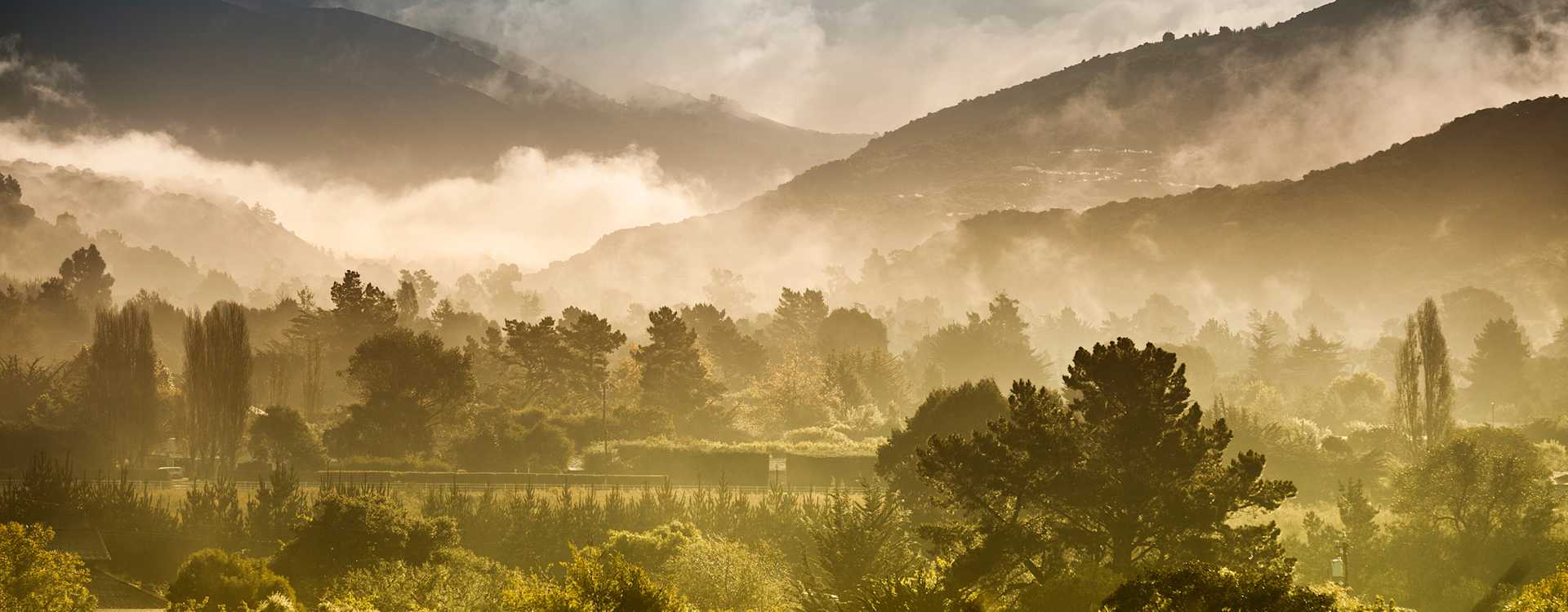
The largest and perhaps most varied of California’s wine-growing regions, the Central Coast produces a good majority of the state's wine. This vast California wine district stretches from San Francisco all the way to Santa Barbara along the coast, and reaches inland nearly all the way to the Central Valley.
Encompassing an extremely diverse array of climates, soil types and wine styles, it contains many smaller sub-AVAs, including San Francisco Bay, Monterey, the Santa Cruz Mountains, Paso Robles, Edna Valley, Santa Ynez Valley and Santa Maria Valley.
While the Central Coast California wine region could probably support almost any major grape varietiy, it is famous for a few Central Coast reds and whites. Pinot Noir, Chardonnay, Cabernet Sauvignon and Zinfandel are among the major ones. The Central Coast is home to many of the state's small, artisanal wineries crafting unique, high-quality wines, as well as larger producers also making exceptional wines.