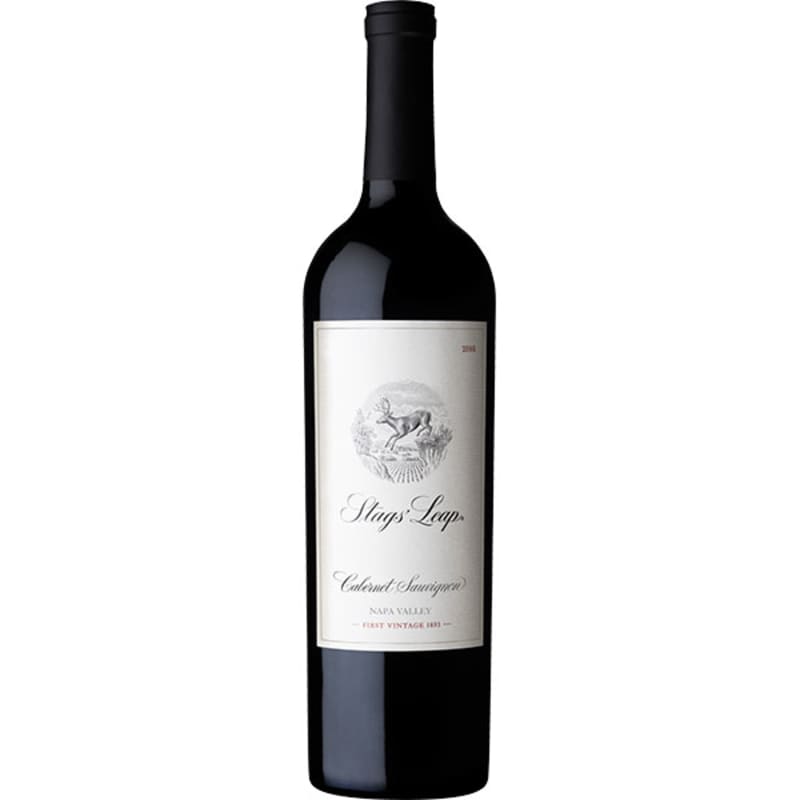


Winemaker Notes
Blend: 85% Cabernet Sauvignon, 5% Malbec, 5% Merlot, 5% Rhône varieties
Professional Ratings
-
Robert Parker's Wine Advocate
The 2016 Cabernet Sauvignon is a blend of 85% Cabernet Sauvignon, 5% Malbec, 5% Merlot and 5% Rhône varieties aged in 37% new French oak for 20 months. Deep purple-black in color, it opens with crushed blueberries, black cherries and cassis with touches of yeast extract, beef dripping, bay leaves and cedar with a waft of lilacs. Medium-bodied and wonderfully elegant in the mouth, the palate reveals fantastic energy with a firm, grainy frame and long, mineral-laced finish.
-
James Suckling
This is very melted and round with a linear line of acidity running through it at the same time. Medium to full body and fine tannins. Bright and focused.
-
Tasting Panel
Ripe, earthy nose; rich and dense with deep plum, soft vanilla, and oak; smooth and long.
-
Jeb Dunnuck
Moving to the reds, the 2016 Cabernet Sauvignon is outstanding and has the classic, pure style of the vintage front and center. Revealing a saturated purple color as well as lots of blue fruits, chocolate, spring flower, and damp earth characteristics, it’s medium to full-bodied, has fine tannins, and outstanding length. This cuvée is 96% Cabernet and 4% Merlot, aged 20 months in 37% new French oak.
-
Wine & Spirits
There’s black raspberry fruit to balance this wine’s brisk green edges, turning toward richer, creamier tones of chocolate and coffee with air. It’s a generous cabernet for duck roasted with cherries.


One of the most prestigious wines of the world capable of great power and grace, Napa Valley Cabernet is a leading force in the world of fine, famous, collectible red wine. Today the Napa Valley and Cabernet Sauvignon are so intrinsically linked that it is difficult to discuss one without the other. But it wasn’t until the 1970s that this marriage came to light; sudden international recognition rained upon Napa with the victory of the Stag’s Leap Wine Cellars 1973 Cabernet Sauvignon in the 1976 Judgement of Paris.
Cabernet Sauvignon undoubtedly dominates Napa Valley today, covering half of the land under vine, commanding the highest prices per ton and earning the most critical acclaim. Cabernet Sauvignon’s structure, acidity, capacity to thrive in multiple environs and ability to express nuances of vintage make it perfect for Napa Valley where incredible soil and geographical diversity are found and the climate is perfect for grape growing. Within the Napa Valley lie many smaller sub-AVAs that express specific characteristics based on situation, slope and soil—as a perfect example, Rutherford’s famous dust or Stags Leap District's tart cherry flavors.