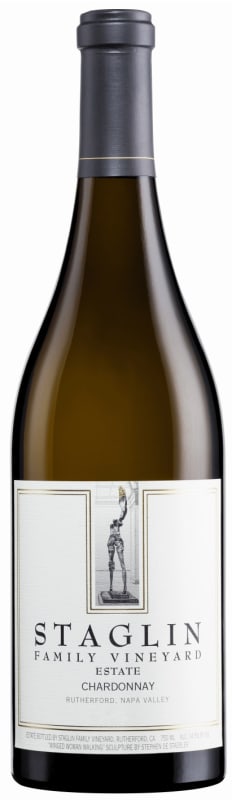


Winemaker Notes
The stunning 2023 Staglin Chardonnay showcases the astonishingpotential of our Estate vineyard in an extraordinary vintage. Fullymature flavors are balanced by charming acidity, thrillingminerality, and unwavering texture. Fragrant yellow flowers andbaked pear spill from the glass with a swirl. At first taste, brightwaves of lemon zest and golden apple rise to greet the palate beforerevealing subtle and layered notes of fresh baked bread, hints ofmango, and struck rock. Knit together with supportive but nearlyimperceptible oak, this wide-ranging diversity of flavors sings fromstart to finish and is certain to prove itself a classic.
Professional Ratings
-
Vinous
The 2023 Chardonnay Estate is one of the best vintages of this wine I have tasted. Bright and focused, with terrific depth, the 2023 is positively stellar. It exudes complexity and structure, with superb balance and tons of sheer pedigree. Light tropical notes, apricot, tangerine peel and subtle oak inflections grace this sublime Chardonnay from the Staglin family. The 2023 was aged in mostly large-format oak, with some done in various ceramic vessels.
-
Wine Spectator
Succulent and juicy, with an appealingly soft, fleshy quality to the ripe, salted melon, lemon curd, grilled peach and dried apricot flavors, showing lemon balm and honeycomb details and orange blossom aromatics on a sleek and energetic frame. Drink now. 850 cases made.


One of the most popular and versatile white wine grapes, Chardonnay offers a wide range of flavors and styles depending on where it is grown and how it is made. While it tends to flourish in most environments, Chardonnay from its Burgundian homeland produces some of the most remarkable and longest lived examples. California produces both oaky, buttery styles and leaner, European-inspired wines. Somm Secret—The Burgundian subregion of Chablis, while typically using older oak barrels, produces a bright style similar to the unoaked style. Anyone who doesn't like oaky Chardonnay would likely enjoy Chablis.

The Rutherford sub-region of Napa Valley centers on the town of Rutherford and covers some of Napa Valley’s finest vineyard real estate, spanning from the Mayacamas in the west, to the Vaca Mountains on the other side of the valley.
Inside of the Rutherford AVA, bordering the Mayacamas, is a stretch of uplands called the Rutherford Bench. (These bench lands technically run the length of Oakville as well). Mountain runoff creates deep, well-drained, alluvial soils on the bench, giving vine roots plenty of reason to permeate deep into the ground. The result is wine with great structure and complexity.
Rutherford Cabernet Sauvingons and Bordeaux Blends garner substantial attention for their enticing fragrances of dusty earth and dried herbs, broad and juicy mid-palates and lush and fine-grained tannins. The sub-appellation claims some of the valley’s most prized vineyards today, namely Caymus, Rubicon and Beckstoffer Georges III.
It is also home to Napa’s most influential and historic personalities. Thomas Rutherford, responsible for the appellation's name, made serious investments here in grape growing and wine production between the years of 1850 to 1880. Gustave Niebaum purchased a large swath of land and completed his winery in 1887, calling it “Inglenook.” Today this remains the oldest bonded winery in California. Georges Latour founded Beaulieu Vineyard in 1900, making it the oldest continuous winery in the state. Latour also hired the famous enologist, André Tchelistcheff, a man credited for single-handedly defining the modern Napa winemaking style.