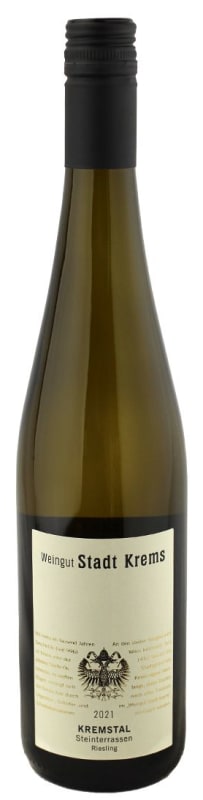


Winemaker Notes
Austrian Riesling is defined by elevated levels of dry extract thanks to a lengthy ripening period and freshness due to dramatic temperature swings between day and night. Austrian Riesling is always made in a dry style and shows aromas and flavors of ripe citrus, stone fruit, and flowers, with a persistent underpinning of minerality.
Riesling’s high acidity makes it one of the most versatile wines at the table. Riesling can be used to cut the fattiness of foods such as pork or sausages and can tame saltiness. Conversely, it can highlight foods such as fish or vegetables in the same way a squeeze of lemon or a vinaigrette enhances a dish.
Professional Ratings
-
Wine & Spirits
This wine’s austere beauty stands in front of its structural power and length of flavor, melding buttered and fresh green apple acidity along with a mace-like mineral spice. Buy a case for the summer to enjoy with a range of seafood, from salmon rillettes to fish curry.


Riesling possesses a remarkable ability to reflect the character of wherever it is grown while still maintaining its identity. A regal variety of incredible purity and precision, this versatile grape can be just as enjoyable dry or sweet, young or old, still or sparkling and can age longer than nearly any other white variety. Somm Secret—Given how difficult it is to discern the level of sweetness in a Riesling from the label, here are some clues to find the dry ones. First, look for the world “trocken.” (“Halbtrocken” or “feinherb” mean off-dry.) Also a higher abv usually indicates a drier Riesling.

The region of considerable geologic diversity and microclimates, Kremstal extends virtually without border east from Wachau along the Danube River. Its magnificent terraced and rocky vineyards in the west alongside Wachau include some of Austria’s most esteemed Riesling vineyards, the (Steiner) Hund and Pfaffenberg, as well as Kögl and Wachtberg nearer to the city of Krems. After Krems, the vineyards become excessively steep upstream around Senftenberg where Riesling and Grüner Veltliner thrive. Grüner Veltliner does best from here east where the soils become a mix of sand, gravel and loess.
Grüner Veltliner and Riesling together comprise two thirds of all of the Kremstal vineyards; the region itself represents about five percent of Austria’s total vineyard area.