

Winemaker Notes
Pinot blanc and Pinot gris are closely related to Pinot noir. Both are the result of natural mutations of Pinot noir. The entire Pinot family ripens beautifully in Oregon because our climate is perfectly suited to their needs. The resulting wines are blessed with ripe fruit and balanced acidity.
Pinot blanc has a complexity of pomme (apple and pear) and tropical fruit aromas that carry onto your palate. I believe Pinot blanc works differently with food than either Pinot gris or Chardonnay. It matches extremely well with shellfish and fatty fish dishes. It is especially good with mussels and tuna tartar. Pinot gris is a great match with leaner fish and other white meats.
For the 2007 vintage, 59% of our Pinot blanc was fermented in tank and 41% was fermented in new wood. The tank fermented wine retains the purity of fruit and the barreled wine adds a nice textural component that extends into the finish. While the 2007 vintage was challenging to winemakers because of the cool conditions and intermittent rains, the white wines matured slowly and gained many layers of ripe fruit flavors. It is a spectacular white wine vintage for Oregon.

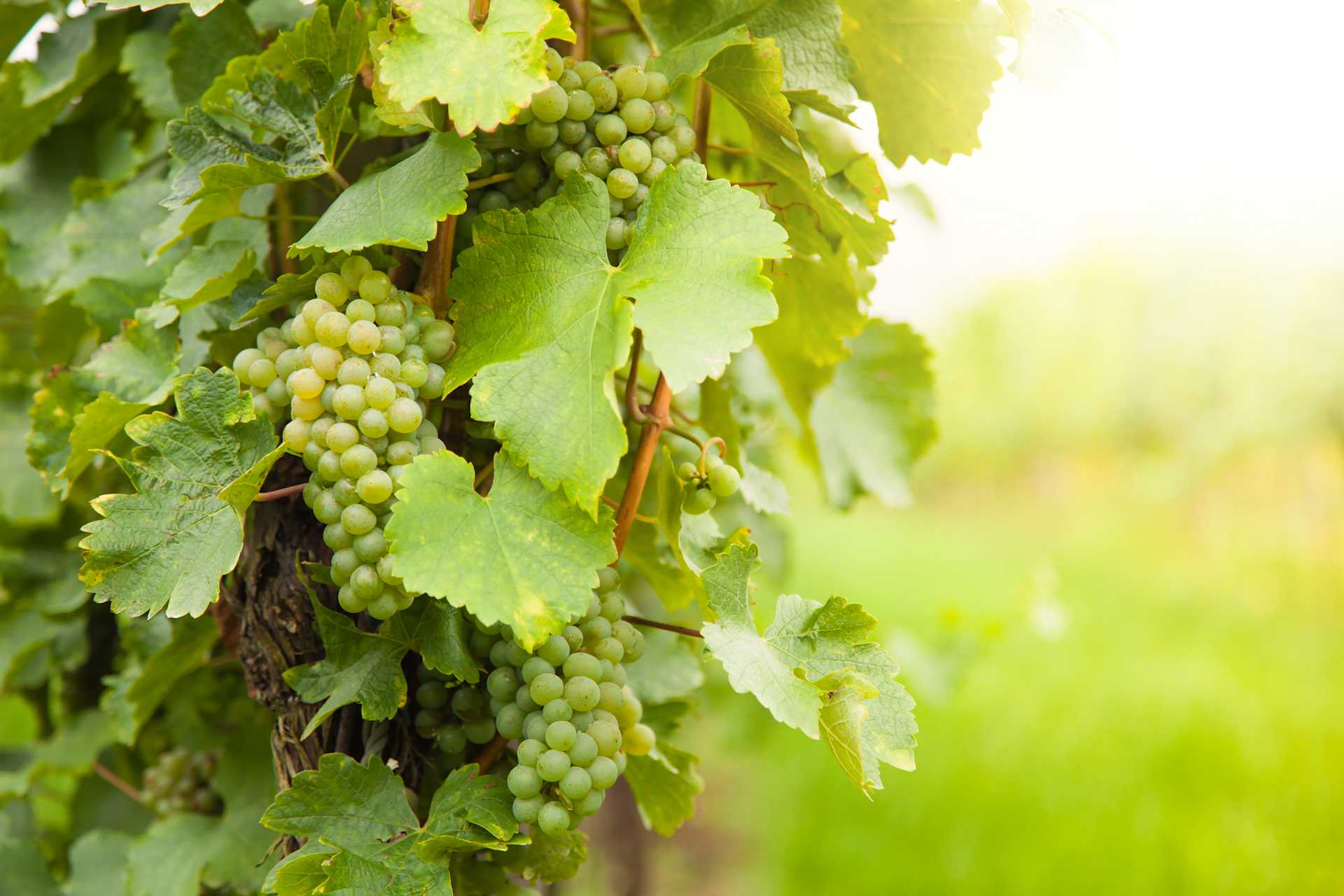
Approachable, aromatic and pleasantly plush on the palate, Pinot Blanc is a white grape variety most associated with the Alsace region of France. Although its heritage is Burgundian, today it is rarely found there and instead thrives throughout central Europe, namely Germany and Austria, where it is known as Weissburgunder and Alto Adige where it is called Pinot Bianco. Interestingly, Pinot Blanc was born out of a mutation of the pink-skinned Pinot Gris. Somm Secret—Chardonnay fans looking to try something new would benefit from giving Pinot Blanc a try.

Running north to south, adjacent to the Willamette River, the Eola-Amity Hills AVA has shallow and well-drained soils created from ancient lava flows (called Jory), marine sediments, rocks and alluvial deposits. These soils force vine roots to dig deep, producing small grapes with great concentration.
Like in the McMinnville sub-AVA, cold Pacific air streams in via the Van Duzer Corridor and assists the maintenance of higher acidity in its grapes. This great concentration, combined with marked acidity, give the Eola-Amity Hills wines—namely Pinot noir—their distinct character. While the region covers 40,000 acres, no more than 1,400 acres are covered in vine.