
Winemaker Notes
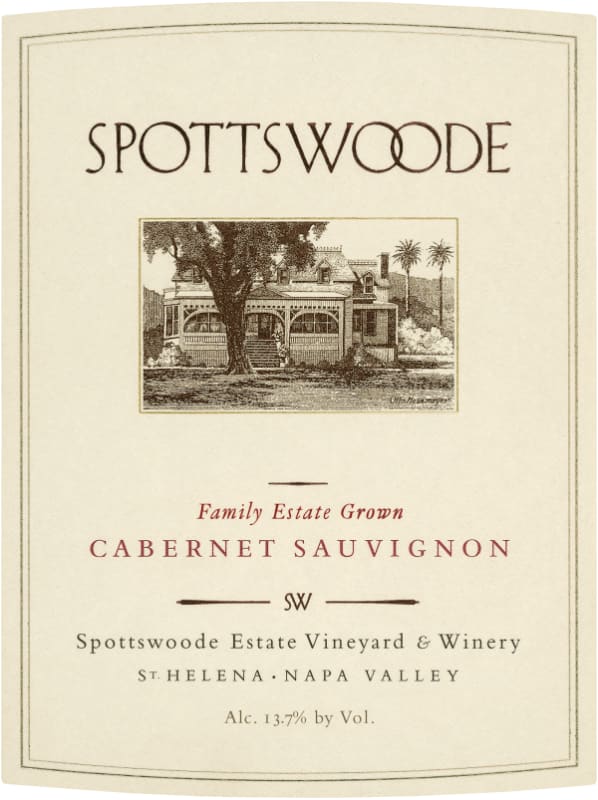
Blend: 86% Cabernet Sauvignon, 9% Cabernet Franc, 5% Petit Verdot
Professional Ratings
-
Jeb Dunnuck
One of the wines of the vintage, as well as a legendary Napa Cabernet that will compete with anything out there, the 2018 Cabernet Sauvignon Estate reveals a deep purple hue as well as extraordinary notes of pure crème de cassis and blackberry-scented fruits intermixed with lots tobacco leaf, lead pencil, spice, and hints of flowers. Reminding me of the 2016 with its purity as well as its balance, it hits the palate with full-bodied richness, a layered, seamless texture, and a blockbuster of a finish. Based on 86% Cabernet Sauvignon, 9% Cabernet Franc, and 5% Petit Verdot, this is a wine you don’t want to miss! It’s going to take 7-8 years to hit its early drinking plateau and cruise for 30-40 years in cold cellars.
-
Tasting Panel
Believing that the 2018 vintage was ideal, winemaker Aron Weinkauf claims that “our hand was never forced” when it came to picking, “so we were able to achieve pinpoint accuracy in terms of ripeness and flavor development.” Ideal it is. Aromas of ripe plum, red tea, and tomato leaf are exuberant. Dry, powdery tannins seamlessly meld with the plush fruit, urging black cherry and black raspberry out to perform with self-assurance. Stoniness augments orange peel and Earl Grey within the wine’s luxurious flow.
-
Wilfred Wong of Wine.com
COMMENTARY: The 2018 Spottswoode Family Estate Grown Cabernet Sauvignon—the vineyard has been organically farmed since 1985, CCOF certified since 1992, biodynamically farmed since 2008, and Demeter certified in January 2021—is a remarkable story. I have tasted every vintage since the winery's first offering with the 1982 vintage. TASTING NOTES: This wine is greater than the sum of its parts. I paired it with two distinctly different dishes: a traditional prime rib and a super delicious Pho (with thinly-sliced rare roast beef, tendons, brisket, tripe, as well as the usual pho spices) and both matches worked well. Enjoy this wine's perfectly ripened fruit, fragrant herbs, complementary supple tannins, and balanced alcohol with more than just meat and potatoes. Be adventurous! (Tasted: December 2, 2021, San Francisco, CA)
-
Robert Parker's Wine Advocate
Clearly a stupendous effort but just far too young at this stage, Spottswoode's 2018 Cabernet Sauvignon boasts a concentrated, velvety core of black cherries, cassis and dusty loam, then supports it with hints of cedar and toasted oak. It's full-bodied, rich and youthfully intense, with a long, compelling finish that just won't quit. Give it a few more years, and it may indeed reach the perfection my predecessor predicted for it. Best After 2025. Rating: 97+
-
Wine Spectator
Very pure, with a piercing edge to its racy cassis, plum and blackberry coulis flavors, this moves along authoritatively while staying relatively light on its feet, with violet, savory and iron threads lining the mouthwatering finish. Beautifully rendered wine that should age gracefully. Best from 2022 through 2040.
-
James Suckling
This has a polished nose of black cherry, blueberry pie, vanilla and crushed gravel. Evolves to charred wood and dried lavender. It’s medium-to full-bodied with firm, sleek tannins. There’s freshness to the finish with hints of blackcurrant leaf. Structured and still tight. Try from 2023.


One of the most prestigious wines of the world capable of great power and grace, Napa Valley Cabernet is a leading force in the world of fine, famous, collectible red wine. Today the Napa Valley and Cabernet Sauvignon are so intrinsically linked that it is difficult to discuss one without the other. But it wasn’t until the 1970s that this marriage came to light; sudden international recognition rained upon Napa with the victory of the Stag’s Leap Wine Cellars 1973 Cabernet Sauvignon in the 1976 Judgement of Paris.
Cabernet Sauvignon undoubtedly dominates Napa Valley today, covering half of the land under vine, commanding the highest prices per ton and earning the most critical acclaim. Cabernet Sauvignon’s structure, acidity, capacity to thrive in multiple environs and ability to express nuances of vintage make it perfect for Napa Valley where incredible soil and geographical diversity are found and the climate is perfect for grape growing. Within the Napa Valley lie many smaller sub-AVAs that express specific characteristics based on situation, slope and soil—as a perfect example, Rutherford’s famous dust or Stags Leap District's tart cherry flavors.