
Winemaker Notes
Professional Ratings
-
Wine & Spirits
István Spiegelberg blends Hungary’s three greatest white wine grapes—juhfark, hárslevelu and furmint—for this opulent white. Fermented spontaneously in 500-liter Hungarian oak casks and held in cask for another year or so before bottling, this is rich as marzipan, with hárslevelu’s delicate florals playing over top. The light herbal notes and vibrant acidity keep it lifted enough to enjoy on its own, or with fish in a cream sauce.

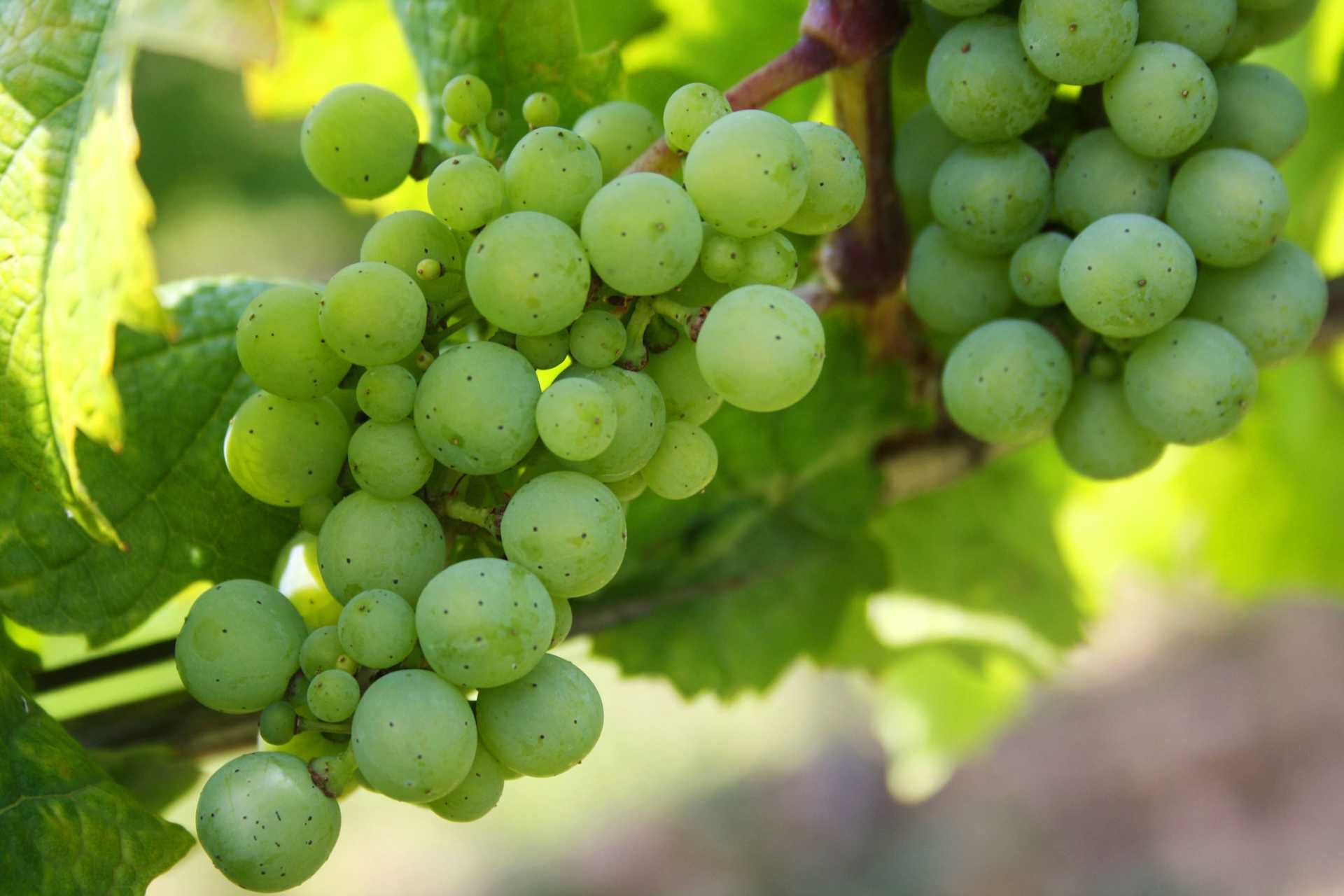
With hundreds of white grape varieties to choose from, winemakers have the freedom to create a virtually endless assortment of blended white wines. In many European regions, strict laws are in place determining the set of varieties that may be used in white wine blends, but in the New World, experimentation is permitted and encouraged. Blending can be utilized to enhance balance or create complexity, lending different layers of flavors and aromas. For example, a variety that creates a soft and full-bodied white wine blend, like Chardonnay, would do well combined with one that is more fragrant and naturally high in acidity. Sometimes small amounts of a particular variety are added to boost color or aromatics. Blending can take place before or after fermentation, with the latter, more popular option giving more control to the winemaker over the final qualities of the wine.

Best known for lusciously sweet dessert wines but also home to distinctive dry whites and reds, Hungary is an exciting country at the crossroads of tradition and innovation. Mostly flat with a continental climate, Hungary is almost perfectly bisected by the Danube River (known here as the Duna), and contains central Europe’s largest lake, Balaton. Soil types vary throughout the country but some of the best vines, particularly in Tokaj, are planted on mineral-rich, volcanic soil.
Tokaj, Hungary’s most famous wine region, is home to the venerated botrytized sweet wine, Tokaji, produced from a blend of Furmint and Hárslevelű. Dry and semi-dry wines are also made in Tokaj, using the same varieties. Other native white varieties include the relatively aromatic and floral, Irsai Olivér, Cserszegi Fűszeres and Királyleányka, as well as the distinctively smoky and savory, Juhfark. Common red varieties include velvety, Pinot Noir-like Kadarka and juicy, easy-drinking Kékfrankos (known elsewhere as Blaufränkisch).