


Winemaker Notes
Upon pouring a glass, you are greeted with the lively and persistent bubbles that characterize Spellbound Incantato Prosecco. The wine's pale straw color hints at its refreshing nature. The nose reveals a bouquet of floral and fruity notes, reminiscent of green apple, pear, and white peach. These aromas set the stage for a taste experience marked by a bright acidity, balanced by a touch of sweetness. The palate is treated to a harmonious blend of citrus flavors, complemented by a hint of minerality, creating a refreshing and uplifting sensation.
Blend: 85% Glera, 15% Pinot Noir & Chardonnay
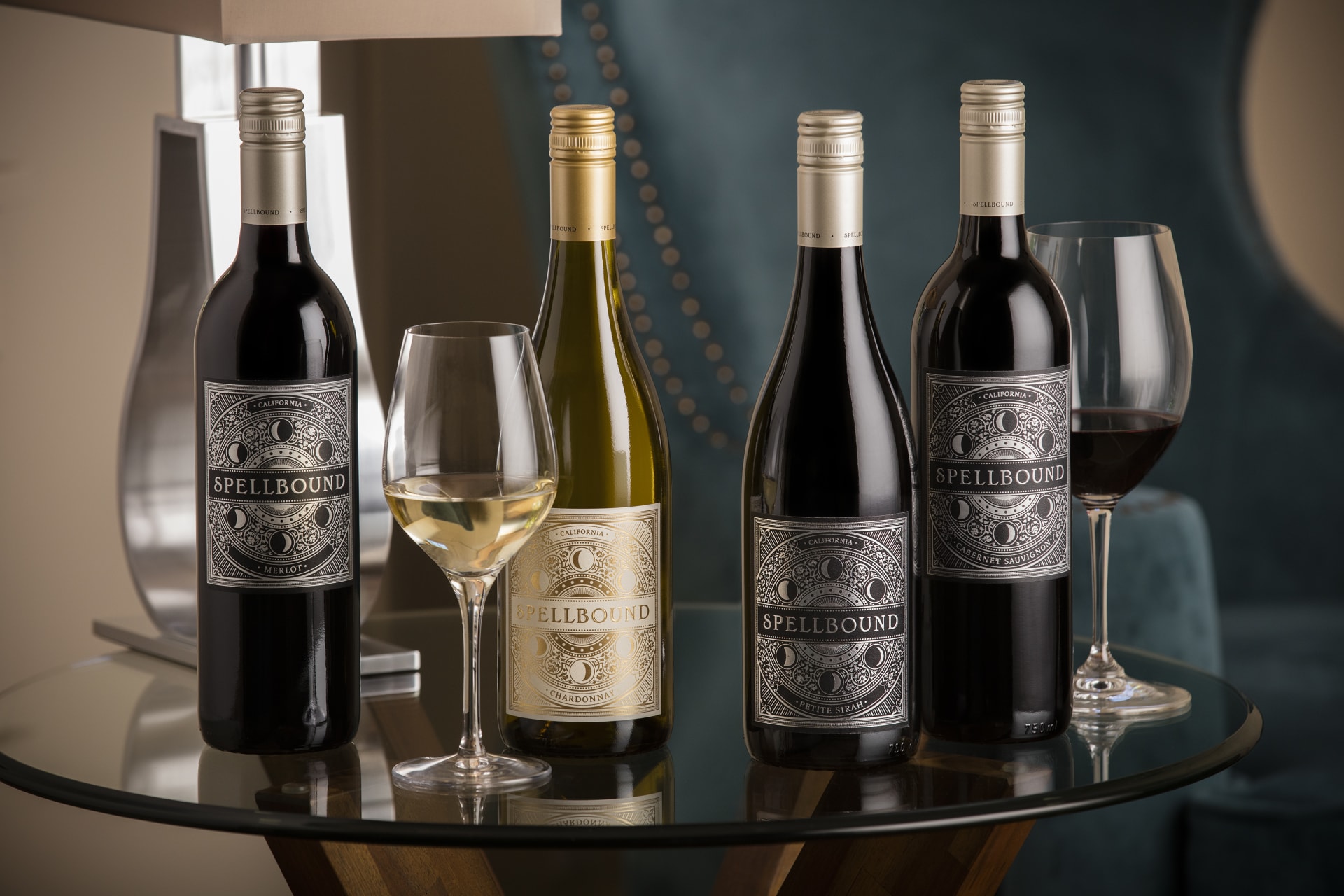


Everyone knows the warm sun nurtures plants, bringing grapevines to full maturity. But since ancient times, farmers have also depended on the moon, ruler of the tides, whose gravitational force pulls water up from the soil, supporting vines during the cool nights that maintain beautiful balance in wine grapes. The founding partners of Spellbound chose the name and label imagery to suggest the ever-present magical, mystical force of the moon.
Spellbound first made its mark with one of the first varietals to be grown in California, Petite Sirah. This award-winning wine has earned 90 points from The Wine Advocate across multiple vintages. The portfolio also includes a core lineup of Chardonnay, Cabernet Sauvignon, Merlot, Pinot Noir and Rosé, all crafted with grapes from established and emerging regions throughout California, where warm sun and cool, moonlit nights result in expressive, approachable, balanced wines. These wines are true to their roots, expressing ripe varietal character with a style that elevates every occasion - from special events to everyday meals around the family table. Savvy wine shoppers, will appreciate Spellbound for its everyday affordability, consistent quality and fruit-driven wine profile.

A term typically reserved for Champagne and Sparkling Wines, non-vintage or simply “NV” on a label indicates a blend of finished wines from different vintages (years of harvest). To make non-vintage Champagne, typically the current year’s harvest (in other words, the current vintage) forms the base of the blend. Finished wines from previous years, called “vins de reserve” are blended in at approximately 10-50% of the total volume in order to achieve the flavor, complexity, body and acidity for the desired house style. A tiny proportion of Champagnes are made from a single vintage.
There are also some very large production still wines that may not claim one particular vintage. This would be at the discretion of the winemaker’s goals for character of the final wine.

One of the world’s most popular and playful sparkling wines, Prosecco is a specialty of northeastern Italy, spanning nine provinces of the Veneto and Fruili-Venezia Giulia regions. A higher-quality version of Prosecco wine that must meet more stringent production requirements is known as Prosecco Superiore and must come from the more rugged terrain between the towns of Valdobiaddene and Conegliano. Prosecco can be produced as a still wine, a semi-sparkling wine (“frizzante”), or a fully sparkling wine (“spumante”)—the latter being the most common. While Prosecco wine is typically produced in a “brut” (dry) style, its fresh and fruity character makes it seem a bit sweeter than it actually is. “Extra dry” styles, incorporating higher levels of residual sugar, are quite popular, however.
Prosecco wine is made from the Glera grape, which was formerly and confusingly called Prosecco, these wines are notable for pleasant flavors of peach, pear, melon, green apple, and honeysuckle. Lower pressure during the carbonation process (also called the tank method) means that the bubbles are lighter and frothier than in Champagne or other traditional method sparkling wine, and less persistent. Prosecco is also a great choice to blend with orange juice for mimosas for a classic brunch beverage.