


Winemaker Notes
Lilac and lemon curd on the nose. White peaches and tangerine on the palate. The mouthfeel has minerality and zest.
Professional Ratings
-
Wine Enthusiast
Clean lines of grapefruit peel, crushed sea shell and an alkaline citrus pith show on the nose of this estate bottling. The lime-peel and pith focus of the palate leads into a toastier finish, yet it's the firm and fresh acidity that keeps the attention.
-
Wine Spectator
The 2018 Chardonnay Estate also saw all neutral oak. It offers more tropical notes with plenty of papaya and pineapple fruit as well as sappy flowers and mint, medium-bodied richness, and an elegant, balanced style.


One of the most popular and versatile white wine grapes, Chardonnay offers a wide range of flavors and styles depending on where it is grown and how it is made. While it tends to flourish in most environments, Chardonnay from its Burgundian homeland produces some of the most remarkable and longest lived examples. California produces both oaky, buttery styles and leaner, European-inspired wines. Somm Secret—The Burgundian subregion of Chablis, while typically using older oak barrels, produces a bright style similar to the unoaked style. Anyone who doesn't like oaky Chardonnay would likely enjoy Chablis.
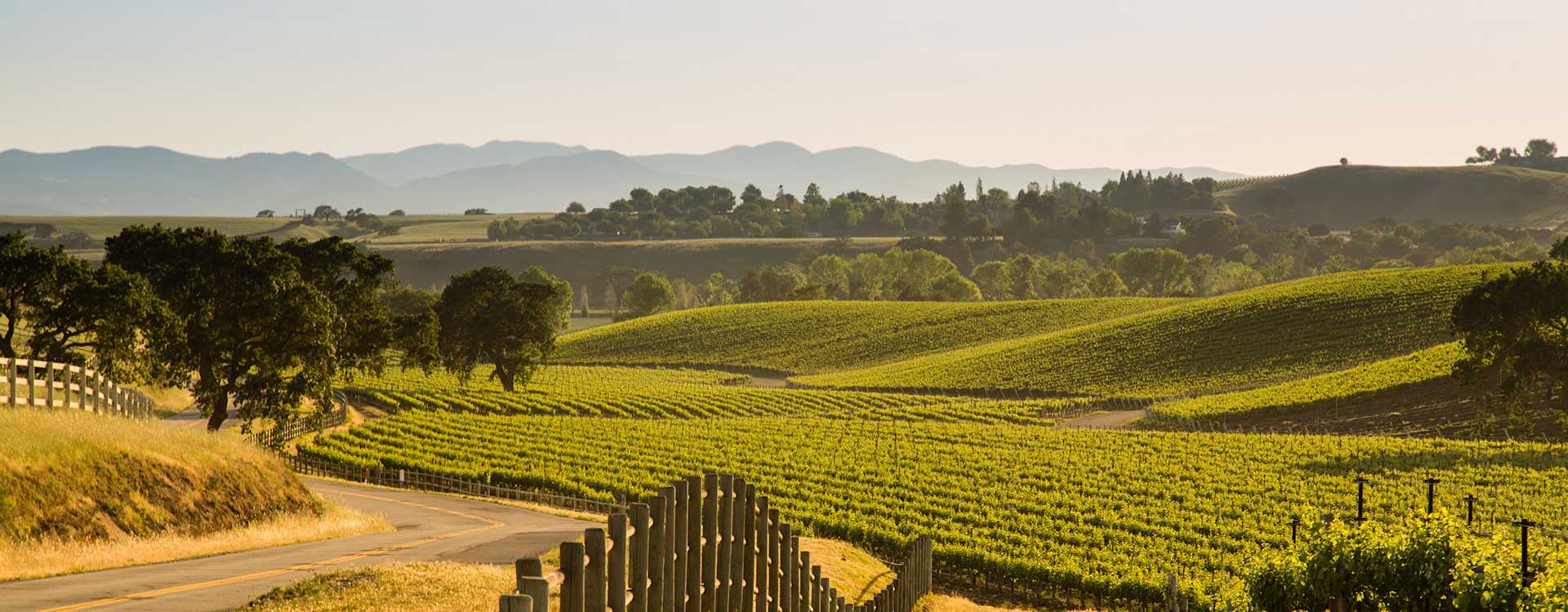
A superior source of California Chardonnay and Pinot Noir, Sta. Rita Hills is the coolest, westernmost sub-region of the larger Santa Ynez Valley appellation within Santa Barbara County. This relatively new AVA is unquestionably one to keep an eye on.
The climate of Sta. Rita Hills is a natural match for Chardonnay and Pinot noir, thanks to the crisp ocean breezes and well-drained, limestone-rich calcareous soil. Here, grapes ripen just enough, while retaining brisk acidity and harmonious balance.