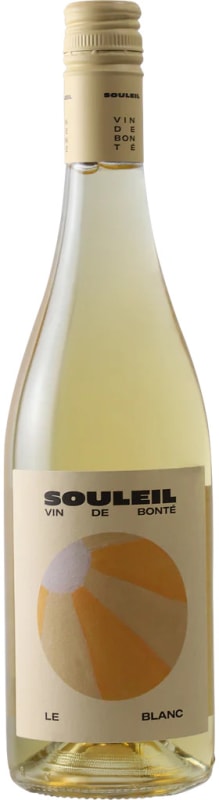


Winemaker Notes
On the nose, high-toned aromas of white peach, tropical fruits, salty sea air, and a
touch of dried herbs lead to a vivacious palate laden with flavors of Meyer lemon,
citrus rind, and coarse sea salt.
The wine’s saline-tinged finish and ample amounts of zingy acidity promise to pair beautifully with freshly shucked oysters, green salads, and a variety of pungent cheeses.
Blend: 65% Piquepoul, 20% Terret Blanc, 15% Ugni Blanc
Professional Ratings
-
James Suckling
A crisp and zesty blend of piquepoul, terret blanc and ugni blanc, delivering notes of lemons, rusks and grapefruit. Medium body with crisp acidity. Lots of tension in the center with a fruity character towards the juicy finish. From bio dynamically grown grapes. Drink now. Screw cap.
-
Wine Spectator
A crisp and zesty blend of piquepoul, terret blanc and ugni blanc, delivering notes of lemons, rusks and grapefruit. Medium body with crisp acidity. Lots of tension in the center with a fruity character towards the juicy finish.

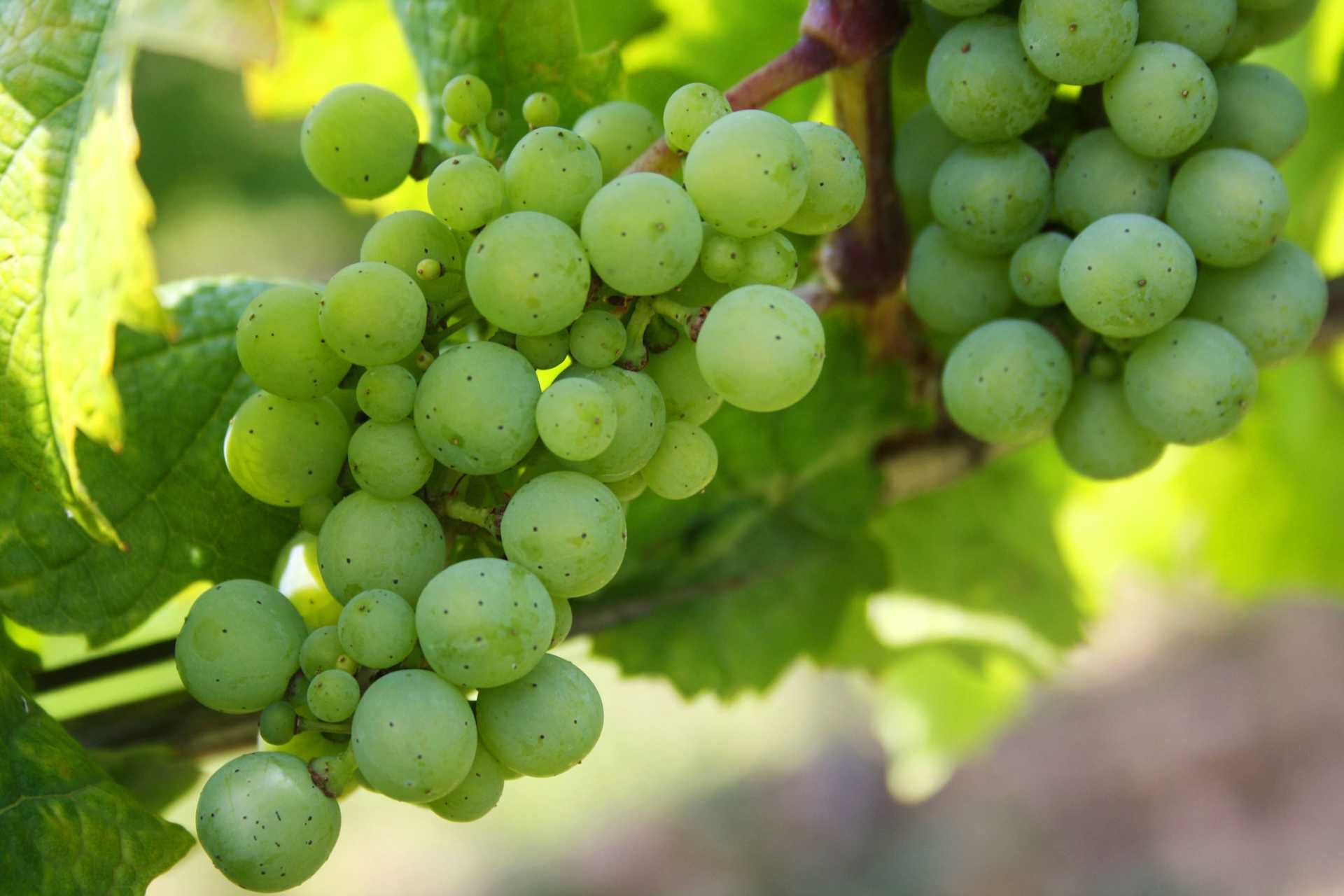
With hundreds of white grape varieties to choose from, winemakers have the freedom to create a virtually endless assortment of blended white wines. In many European regions, strict laws are in place determining the set of varieties that may be used in white wine blends, but in the New World, experimentation is permitted and encouraged. Blending can be utilized to enhance balance or create complexity, lending different layers of flavors and aromas. For example, a variety that creates a soft and full-bodied white wine blend, like Chardonnay, would do well combined with one that is more fragrant and naturally high in acidity. Sometimes small amounts of a particular variety are added to boost color or aromatics. Blending can take place before or after fermentation, with the latter, more popular option giving more control to the winemaker over the final qualities of the wine.

A small category representing the wines that either fall outside of appellation lines or don’t subscribe to the law and traditions set forth by the French government within certain classified appellations, “Vin De France” is a catch-all that includes some of the most basic French wines as well as those of superior quality. The category includes large production, value-driven wines. It also includes some that were made with a great deal of creativity, diligence and talent by those who desire to make wine outside of governmental restrictions. These used to be called Vin de Table (table wine) but were renamed to compete with other European countries' wines of similar quality.