


Winemaker Notes
Professional Ratings
-
James Suckling
Hibiscus and perfectly ripe strawberries, like the best parcel in a top Tokyo department store. Hints of crushed stone and some lemon grass. Forest floor and some fresh mushroom, too. Full-bodied with fine, polished tannins that are layered and velvety. The finish goes on for minutes. Yet there is so much more to come. Better after 2026 but already a joy to drink.
-
Robert Parker's Wine Advocate
Medium ruby, the 2018 Pinot Noir Mineral Springs Ranch has pure scents of blueberries, cranberries, licorice, cured meats and burnt orange peel. The medium-bodied palate is powerful, silky and refreshing, with a flourish of dark spices across the long finish.
-
Wine Enthusiast
The biodynamically farmed grapes bring layered and detailed flavors. Raspberry purée adds intensity to the fruit, with accents of toasted grain and lemon. Some 30% of the ferment included whole clusters, and 40% of the wine was barreled in new French oak. The long, drying finish adds highlights of chamomile tea. Editors' Choice.
-
Wine Spectator
Structured yet elegant, this unfurls with raspberry and plum flavors that are layered with dusky spice and savory tea notes, building tension toward fine-grained tannins. Drink now through 2028.
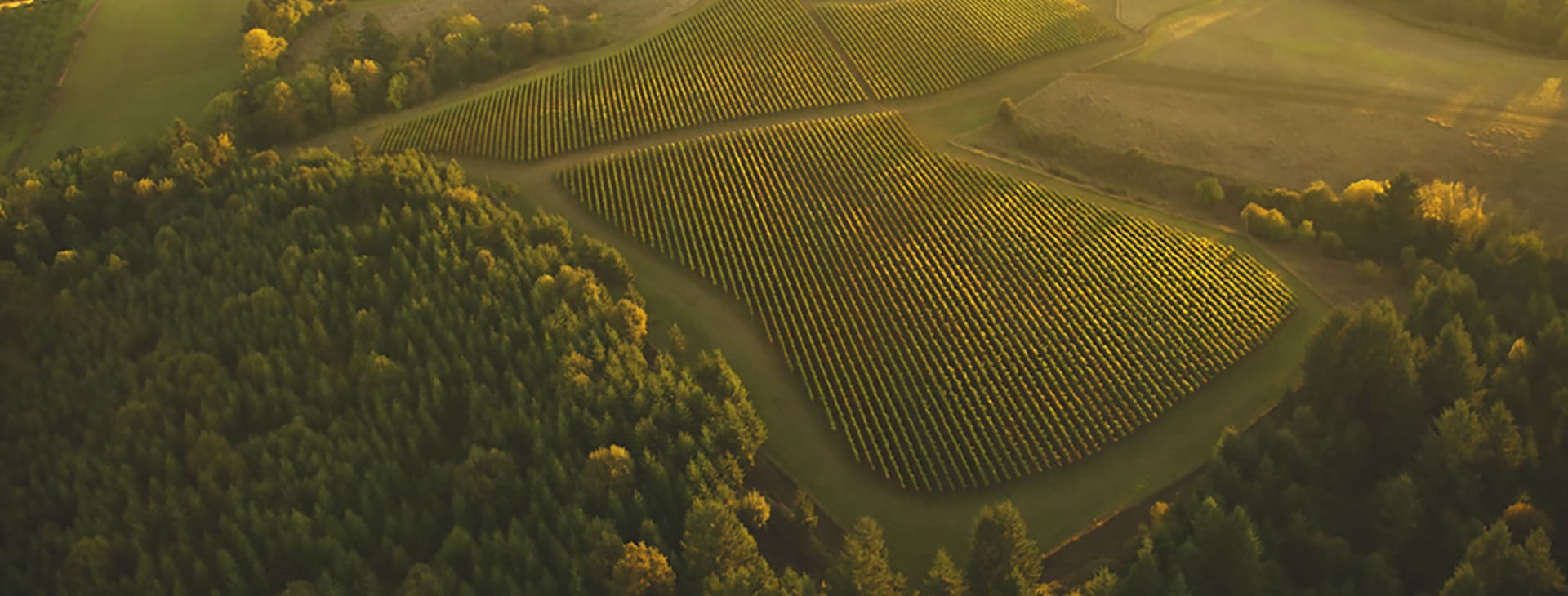


Tony Soter is the founder of Soter Vineyards at Mineral Springs Ranch in Yamhill-Carlton, Oregon. Soter is a Portland, Oregon, native who began his remarkable 40-year winemaking career in the Napa Valley. After graduating from Pomona College in southern California with a degree in philosophy, Soter joined the staff at Stag's Leap Wine Cellars in 1975 to learn the trade. By 1982, he released his own wine under the Etude label, selling the winery almost 20 years later to Treasury Wine Estates. In the meantime, Soter worked as consulting winemaker for such world-famous Napa estates as Araujo (now Eisele), Chappellet, Dalla Valle, Shafer, and Spottswoode, among others. After almost 30 years in California, Soter moved back to Oregon and founded Soter Vineyards in 1997, where he is still making some of the most heralded pinot noirs in the state.
Today, Soter focuses on biodynamic grape growing to create rich flavors and substance. His cellar techniques look to the wisdom of past generations, trusting those natural processes to evoke the voice and character of each vineyard.
There are three distinct labels produced by Soter:
1. SOTER VINEYARDS ... Illustrious estate-grown wines from Eola Amity, Ribbon Ridge, and Yamhill Carlton (where the Mineral Springs vineyard, farm, and winery are).
2. ORIGIN SERIES ... Limited single-appellation bottlings showcasing each AVA's unique microclimate, geographical features, and growing conditions.
3. PLANET OREGON ... affordable, delicious, organically-grown wines from the Willamette Valley, ready to drink tonight.

Thin-skinned, finicky and temperamental, Pinot Noir is also one of the most rewarding grapes to grow and remains a labor of love for some of the greatest vignerons in Burgundy. Fairly adaptable but highly reflective of the environment in which it is grown, Pinot Noir prefers a cool climate and requires low yields to achieve high quality. Outside of France, outstanding examples come from in Oregon, California and throughout specific locations in wine-producing world. Somm Secret—André Tchelistcheff, California’s most influential post-Prohibition winemaker decidedly stayed away from the grape, claiming “God made Cabernet. The Devil made Pinot Noir.”

Yamhill-Carlton, characterized by pastoral, rolling hills composed of shallow, quick-draining, ancient marine soil, is ideal for Pinot noir and other cool-climate-loving varieties. It is in the rain shadow of the Coast Range to its west, whose highest point climbs to an altitude of 3,500 feet. Yamhill-Carlton is actually surrounded by mountains on three sides: Chehalem Mountains to the north, the Dundee Hills to the east and the western Coast Range to its west, which, when it lets Pacific air through, serves to cool the region.
Vineyards grow on the ridges surrounding the two small communities of Yamhill and Carlton and cover about 1,200 acres of this 60,000 acre region, which roughly makes a horse-shoe shape on a map.