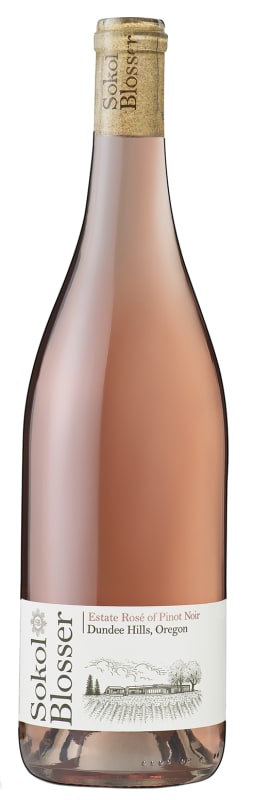


Winemaker Notes
Sokol Blosser only uses Pinot Noir grapes to produce this classic dry Rosé. They sourced grapes for this wine from vines that have been intentionally farmed to produce more tons per acre than other blocks, thus minimizing the development of overly ripe, juicy flavors, and preventing high phenolics from appearing in the Rosé. Additionally, they harvest the grapes earlier when the acids are higher, so we are able to create a bright, delicate style Rosé
Perfect for all things summer! Dungeness crab cakes, grilled zucchini and asparagus, and the classic brunch staple, eggs Florentine!


Whether it’s playful and fun or savory and serious, most rosé today is not your grandmother’s White Zinfandel, though that category remains strong. Pink wine has recently become quite trendy, and this time around it’s commonly quite dry. Since the pigment in red wines comes from keeping fermenting juice in contact with the grape skins for an extended period, it follows that a pink wine can be made using just a brief period of skin contact—usually just a couple of days. The resulting color depends on grape variety and winemaking style, ranging from pale salmon to deep magenta.

Home of the first Pinot noir vineyard of the Willamette Valley, planted by David Lett of Eyrie Vineyard in 1966, today the Dundee Hills AVA remains the most densely planted AVA in the valley (and state). To its north sits the Chehalem Valley and to its south, runs the Willamette River. Within the region’s 12,500 acres, about 1,700 are planted to vine on predominantly basalt-based, volcanic, Jory soil.