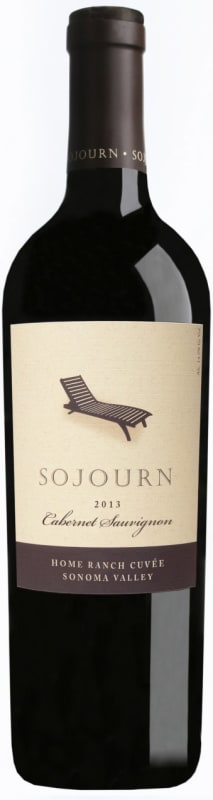


Winemaker Notes
The 2013 vintage delivered minuscule yields in Home Ranch Vineyard, resulting in a highly concentrated wine with inky color and persistent length. The Home Ranch fruit was blended with Cabernet Sauvignon from a neighboring vineyard in southern Sonoma Valley, resulting in a complex cuvee.
Aromas of blueberry, cherry and cocoa explode out of the glass. Red and dark fruit flavors and hints of sweet spice and chocolate lead to lush textures and a lingering finish.
Professional Ratings
-
Wine Spectator
A classy effort, combining rich, juicy cherry, anise and dark berry flavors with dusty earth and dried herb notes, set amid dusty tannins and woven together with a supple texture.
-
Wine Enthusiast
From a site planted in 2002, 100% varietal and given time in 50% new French oak, this steal of a deal offers dusty minerality around a thickness of vanilla and cherry pie, finding a way to rein in its concentrated richness before going too far. This is a likable and impressive wine well worth seeking.
-
Robert Parker's Wine Advocate
The three Cabernet-based wines include the least expensive 2013 Cabernet Sauvignon Home Ranch Cuvee. This vineyard was planted by proprietor Craig Haserot in 2002. This is a delicious Cabernet Sauvignon, fermented with indigenous yeast and bottled unfined and unfiltered. It exhibits loads of blackcurrant fruit, a dense ruby/purple color, and a subtle touch of oak, despite being aged 21 months in 20% new French cooperage. It is full-bodied, luscious, seductive and ideal for drinking over the next decade.


A noble variety bestowed with both power and concentration, Cabernet Sauvignon enjoys success all over the globe, its best examples showing potential to age beautifully for decades. Cabernet Sauvignon flourishes in Bordeaux's Medoc where it is often blended with Merlot and smaller amounts of some combination of Cabernet Franc, Malbecand Petit Verdot. In the Napa Valley, ‘Cab’ is responsible for some of the world’s most prestigious, age-worthy and sought-after “cult” wines. Somm Secret—DNA profiling in 1997 revealed that Cabernet Sauvignon was born from a spontaneous crossing of Cabernet Franc and Sauvignon Blanc in 17th century southwest France.
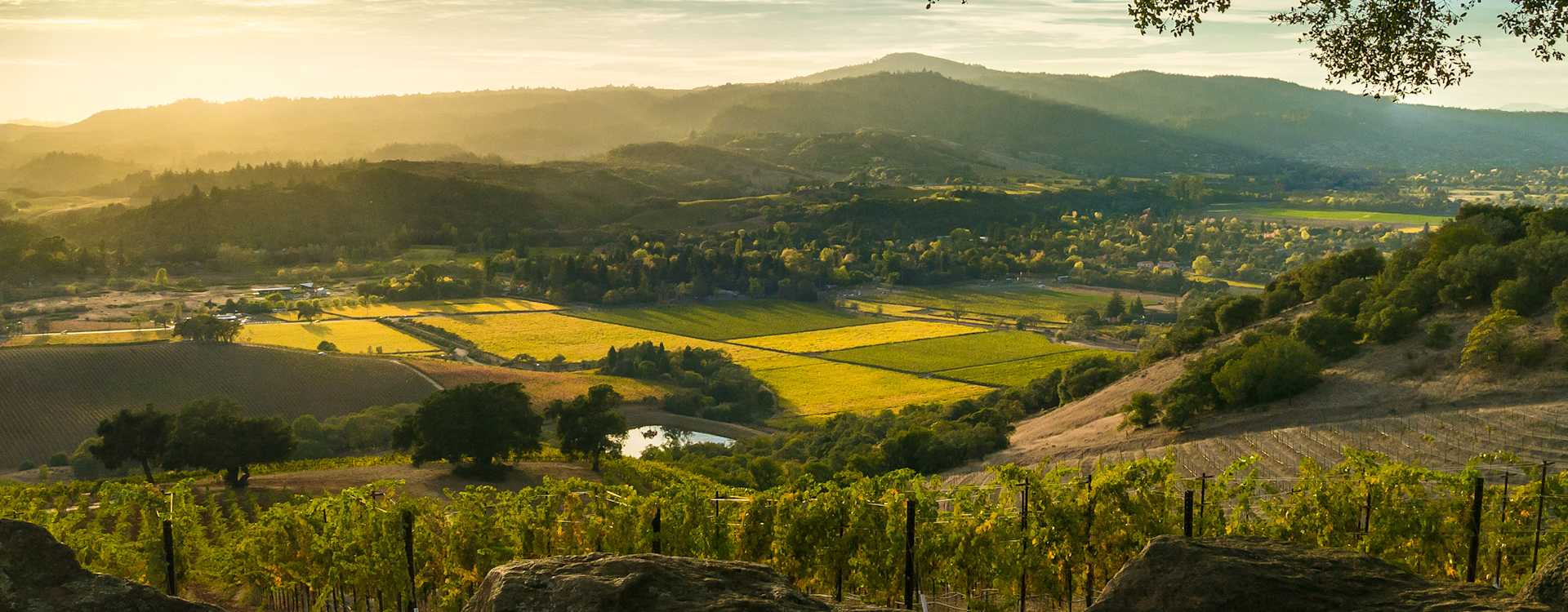
Perhaps the most historically significant appellation in Sonoma County, the Sonoma Valley is home to both Buena Vista winery, California's oldest commercial winery, and Gundlach Bundschu winery, California's oldest family-run winery.
It is also one of the more geologically and climactically diverse districts. The valley includes and overlaps four distinct Sonoma County sub-appellations, including Carneros, Moon Mountain District, Sonoma Mountain and Bennett Valley. With mountains, benchlands, plains, abundant sunshine and the cooling effects of the nearby Pacific, this appellation can successfully produce a wide range of grape varieties. Pinot Noir, Chardonnay, Cabernet Sauvignon, Gewürztraminer, and most notably, Zinfandel all thrive here. Ancient Zinfandel vines over 100 years old produce small crops of concentrated, spicy fruit, which in turn make some of the Valley's most unique wines. These can also be made as “field blends” (wines made from a mix of grape varieties grown in the same vineyard) along with Petite Sirah, Carignan and Alicante Bouschet.