

Winemaker Notes
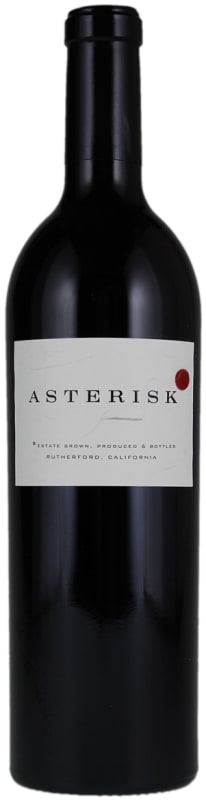
Since its debut with the 2004 vintage, ASTERISK Proprietary Red represents the second selection from SLOAN ESTATE, showcasing an alternate yet elegant and compelling expression of the terroir. Charming and bold, it is made from mostly Cabernet Sauvignon and Merlot grapes. Produced under the same obsessive attention to detail and unyielding standards as SLOAN, ASTERISK is juicy and sensual, offering an explosion of fruit aromas and flavors. While it holds the promise of aging potential, it is a splendidly inviting wine that is intended to satisfy the desire for instant gratification.
Professional Ratings
-
Jeb Dunnuck
More ripe and sexy, the 2015 Asterisk boasts a deep purple color as well as a monster bouquet of tobacco leaf, black truffle, blackcurrants, Asian spices, and chocolate. This beauty is full-bodied, has a wealth of fruit, no hard edges, and a great, great finish. It’s a powerful, opulent wine to enjoy over the coming 20-25 years or more.
-
Robert Parker's Wine Advocate
Deep garnet-purple colored, the 2015 Asterisk comes charging out of the gate with exuberant black and red cherries, warm cassis and raspberry pie scents plus hints of cigar box, Indian spices, rose hip tea and charcuterie with a faint waft of dusty soil. Full-bodied and firmly textured, with bags of red and black fruits, the palate is laced with loads of spicy accents, and it finishes long and perfumed.


Undoubtedly proving its merit over and over, Napa Valley is a now a leading force in the world of prestigious red wine regions. Though Cabernet Sauvignon dominates Napa Valley, other red varieties certainly thrive here. Important but often overlooked include Merlot and other Bordeaux varieties well-regarded on their own as well as for their blending capacities. Very old vine Zinfandel represents an important historical stronghold for the region and Pinot noir is produced in the cooler southern parts, close to the San Pablo Bay.
Perfectly situated running north to south, the valley acts as a corridor, pulling cool, moist air up from the San Pablo Bay in the evenings during the hot days of the growing season, which leads to even and slow grape ripening. Furthermore the valley claims over 100 soil variations including layers of volcanic, gravel, sand and silt—a combination excellent for world-class red wine production.