


Winemaker Notes
Blend: 37% Viognier, 33% Roussanne, 30% Chardonnay
Professional Ratings
-
Robert Parker's Wine Advocate
The 2005 The Petition (a blend of 37% Viognier, 33% Roussanne, and 30% Chardonnay; 62% from John Alban's vineyard and 38% from the Eleven Confessions Vineyard) is more restrained than the 2006. 2005 was a cooler year, but you wouldn't know that from the glorious opulence in both the aromatics and flavors of this light golden-colored wine. Litchi nut, buttered tropical fruits, flower, and subtle wood notes soar from the glass. Rich, dry, full-bodied flavors coat the palate, but supporting underlying acidity provides superb definition to the wine's mass and intensity. This cuvee, along with its younger sibling, are among the most profound dry whites being made in California. Hopefully they will encourage more wineries to move away from varietal labeling and create blends such as these. I believe that is the future for Central Coast whites.
To reiterate, it is a challenge to analyze these wines. I know they are distinctive, and I think I am beginning to understand why they are so much greater than just about every other Syrah or Grenache-based wine in California. In short, it is talent and incredibly meticulous hard work. No one works as hard or is as maniacal about a vineyard's viticulture and winemaking as Manfred Krankl. Take that, add in exceptional talent, humility, top-notch vineyards, and I believe I understand the fundamentals of why these wines are so special.
-
Wine Spectator
Rich and ripe, with pineapple, peach, apricot, hazelnut and dried lemon peel flavors. Despite its richness and creamy texture, there is a backbone of acidity that keeps this light on its feet. A toasty, smoky note fills the palate on the finish. Viognier, Roussanne and Chardonnay. Drink now through 2012. 550 cases made.

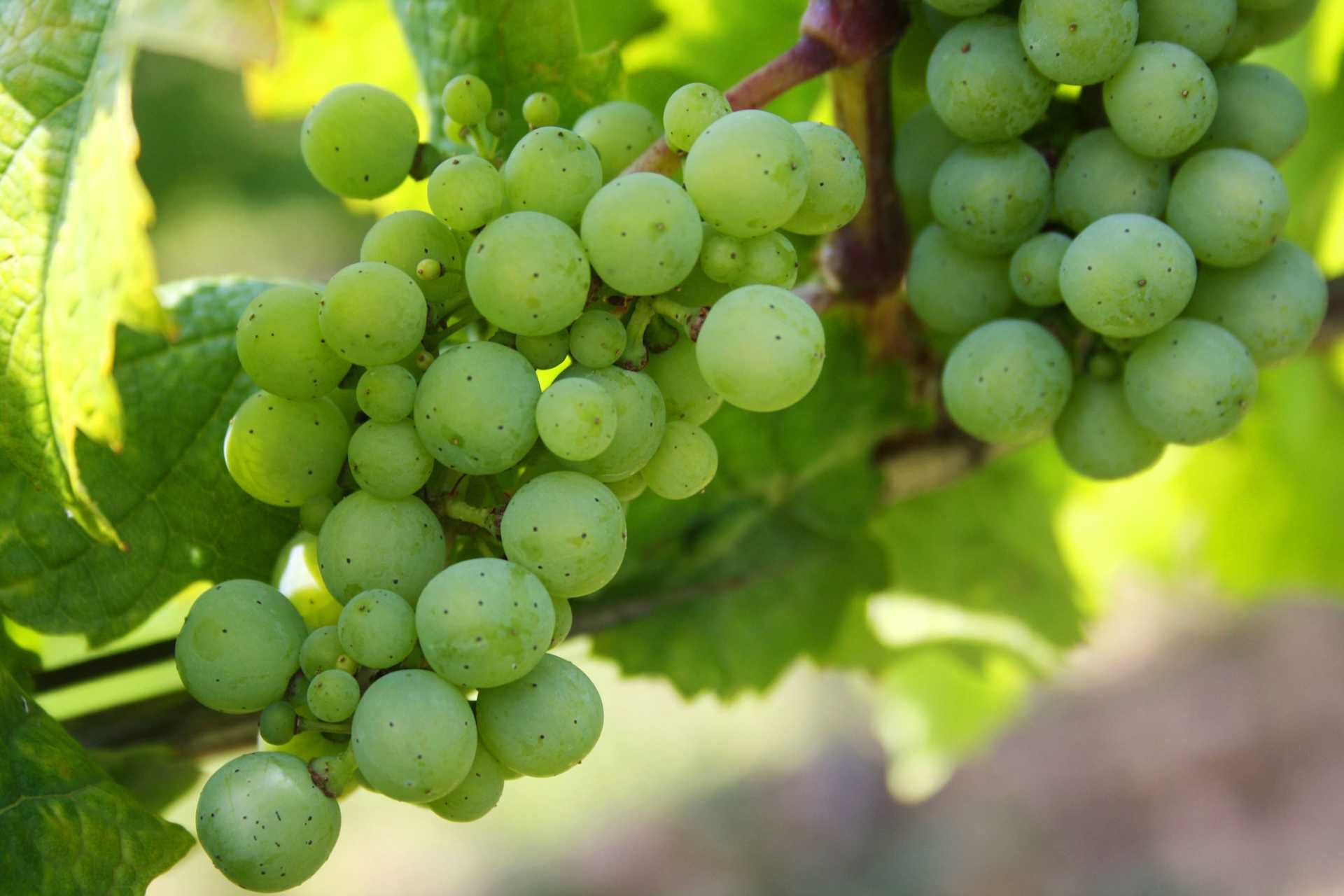
With hundreds of white grape varieties to choose from, winemakers have the freedom to create a virtually endless assortment of blended white wines. In many European regions, strict laws are in place determining the set of varieties that may be used in white wine blends, but in the New World, experimentation is permitted and encouraged. Blending can be utilized to enhance balance or create complexity, lending different layers of flavors and aromas. For example, a variety that creates a soft and full-bodied white wine blend, like Chardonnay, would do well combined with one that is more fragrant and naturally high in acidity. Sometimes small amounts of a particular variety are added to boost color or aromatics. Blending can take place before or after fermentation, with the latter, more popular option giving more control to the winemaker over the final qualities of the wine.
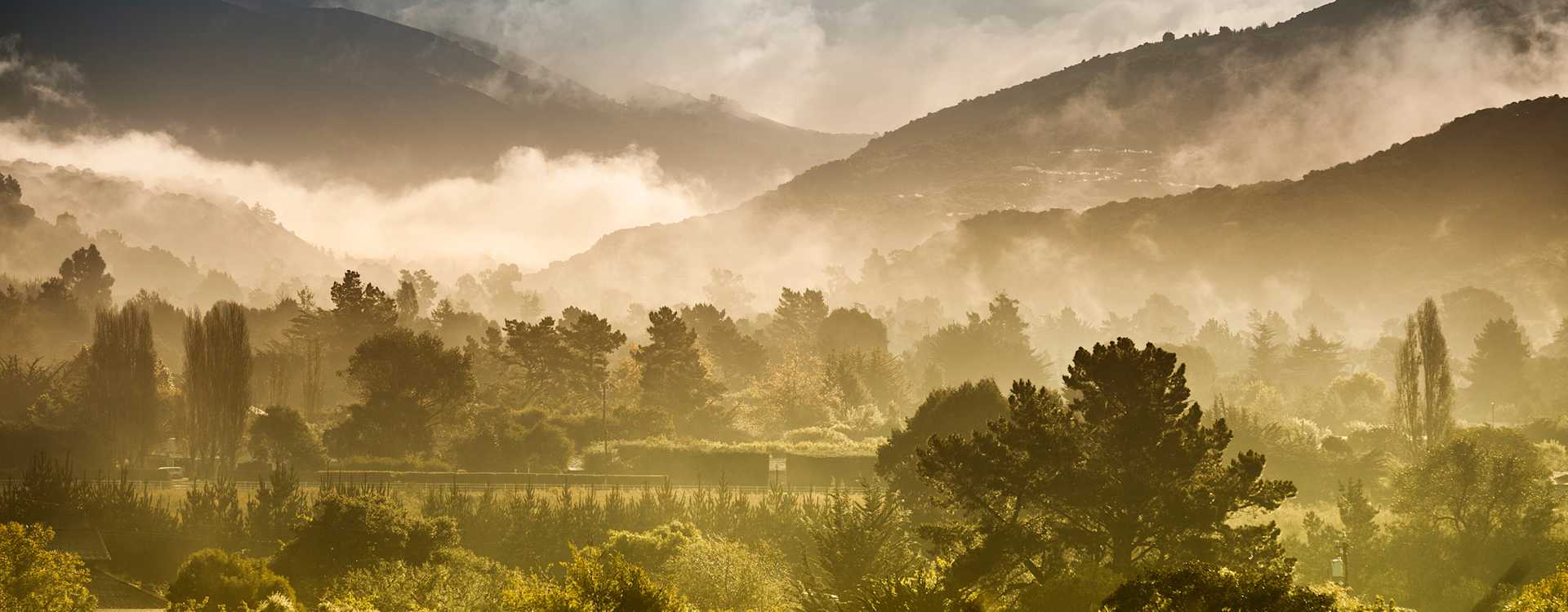
The largest and perhaps most varied of California’s wine-growing regions, the Central Coast produces a good majority of the state's wine. This vast California wine district stretches from San Francisco all the way to Santa Barbara along the coast, and reaches inland nearly all the way to the Central Valley.
Encompassing an extremely diverse array of climates, soil types and wine styles, it contains many smaller sub-AVAs, including San Francisco Bay, Monterey, the Santa Cruz Mountains, Paso Robles, Edna Valley, Santa Ynez Valley and Santa Maria Valley.
While the Central Coast California wine region could probably support almost any major grape varietiy, it is famous for a few Central Coast reds and whites. Pinot Noir, Chardonnay, Cabernet Sauvignon and Zinfandel are among the major ones. The Central Coast is home to many of the state's small, artisanal wineries crafting unique, high-quality wines, as well as larger producers also making exceptional wines.