


Winemaker Notes
Blend: 75% Grenache, 22% Syrah, 2% Roussanne and 1% Viognier
Professional Ratings
-
Robert Parker's Wine Advocate
The current release of the estate vineyard (a.k.a. the extended barrel-aged cuvee), the 2010 Grenache Stockholm Syndrome is an incredible effort that I couldn’t find a fault with. A blend of 75% Grenache, 22% Syrah, 2% Roussanne and 1% Viognier, all from the Eleven Confession Vineyard, it spent just under 30 months in 22% new and 78% used French oak prior to bottling. Locked and loaded, it knocks it out of the park with its cassis, licorice, smoked duck, spice-box and exotic herb-styled bouquet. The palate follows suit and while it has the expected depth and richness of the estate, it’s seamless, elegant and lively, with perfect balance, ultra-fine tannin and a finish that just won’t quit. It doesn’t get any better and count yourself lucky if you can latch onto a couple of these. It will thrill for 15-20 years.


Grenache thrives in any warm, Mediterranean climate where ample sunlight allows its clusters to achieve full phenolic ripeness. While Grenache's birthplace is Spain (there called Garnacha), today it is more recognized as the key player in the red blends of the Southern Rhône, namely Châteauneuf-du-Pape, Côtes du Rhône and its villages. Somm Secret—The Italian island of Sardinia produces bold, rustic, single varietal Grenache (there called Cannonau). California, Washington and Australia have achieved found success with Grenache, both flying solo and in blends.
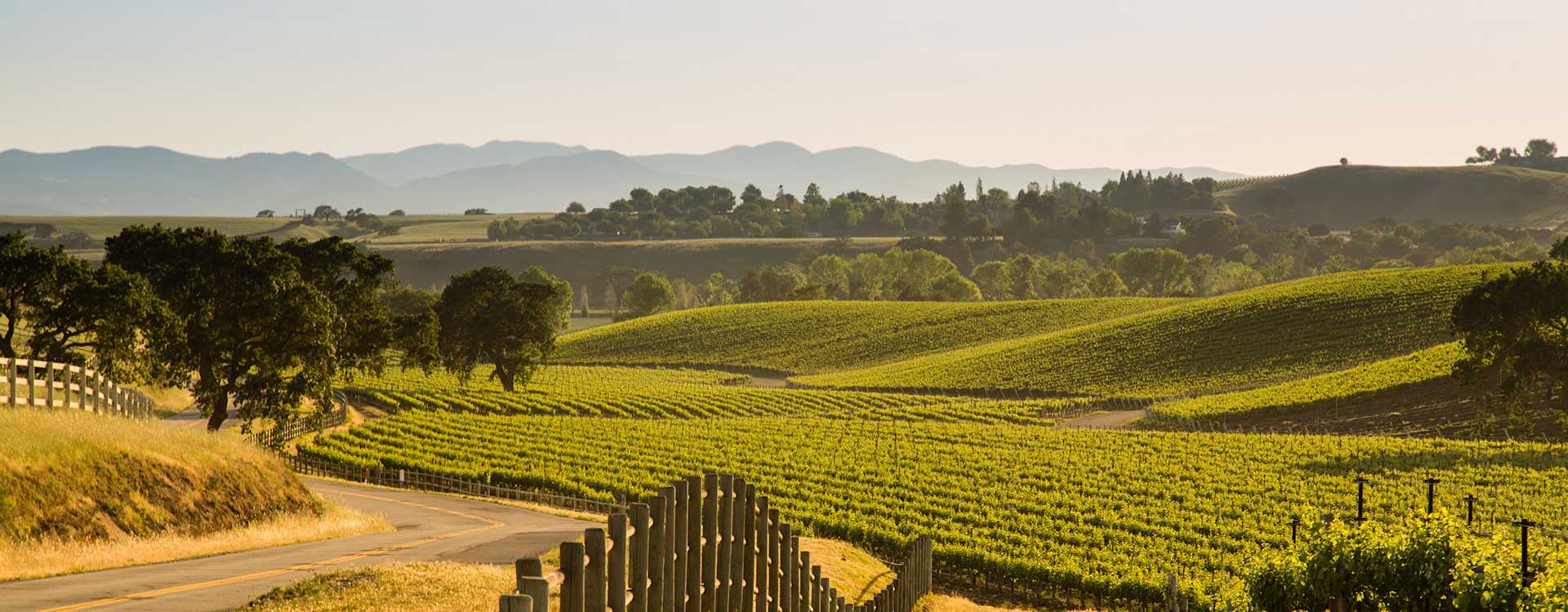
A superior source of California Chardonnay and Pinot Noir, Sta. Rita Hills is the coolest, westernmost sub-region of the larger Santa Ynez Valley appellation within Santa Barbara County. This relatively new AVA is unquestionably one to keep an eye on.
The climate of Sta. Rita Hills is a natural match for Chardonnay and Pinot noir, thanks to the crisp ocean breezes and well-drained, limestone-rich calcareous soil. Here, grapes ripen just enough, while retaining brisk acidity and harmonious balance.