


Winemaker Notes
"Other than Alban Vineyards, no California winery makes better Grenache than SQN. Manfred Krankl has produced some magnificent examples, including the 2003 Li'l E (named after his adorable wife, Elaine) is a blend of 78% Grenache, 12% Mourvedre, and 10% Syrah. Half of the grapes are from the Eleven Confessions home vineyard and the rest are from the Alban, Alta Mesa, and Bien Nacido sites. This cuvee is aged primarily in 300 liter hogsheads, and, because of extremely tiny yields, only a minuscule 150 cases were produced. It boasts a deep ruby/purple hue, a wild mountain berry fruit, blueberry, flower, and kirsch-scented nose, superb intensity, full body, good underlying acidity, and sneaky tannins lurking under the surface. The latter component does not preclude drinking this wine now, but this brilliant Grenache will last for 6-10 years. It is a reference point for what can be achieved with this fickle varietal, which is probably even more difficult to make into great wine than Pinot Noir."
-Robert Parker, Wine Advocate
Professional Ratings


Grenache thrives in any warm, Mediterranean climate where ample sunlight allows its clusters to achieve full phenolic ripeness. While Grenache's birthplace is Spain (there called Garnacha), today it is more recognized as the key player in the red blends of the Southern Rhône, namely Châteauneuf-du-Pape, Côtes du Rhône and its villages. Somm Secret—The Italian island of Sardinia produces bold, rustic, single varietal Grenache (there called Cannonau). California, Washington and Australia have achieved found success with Grenache, both flying solo and in blends.
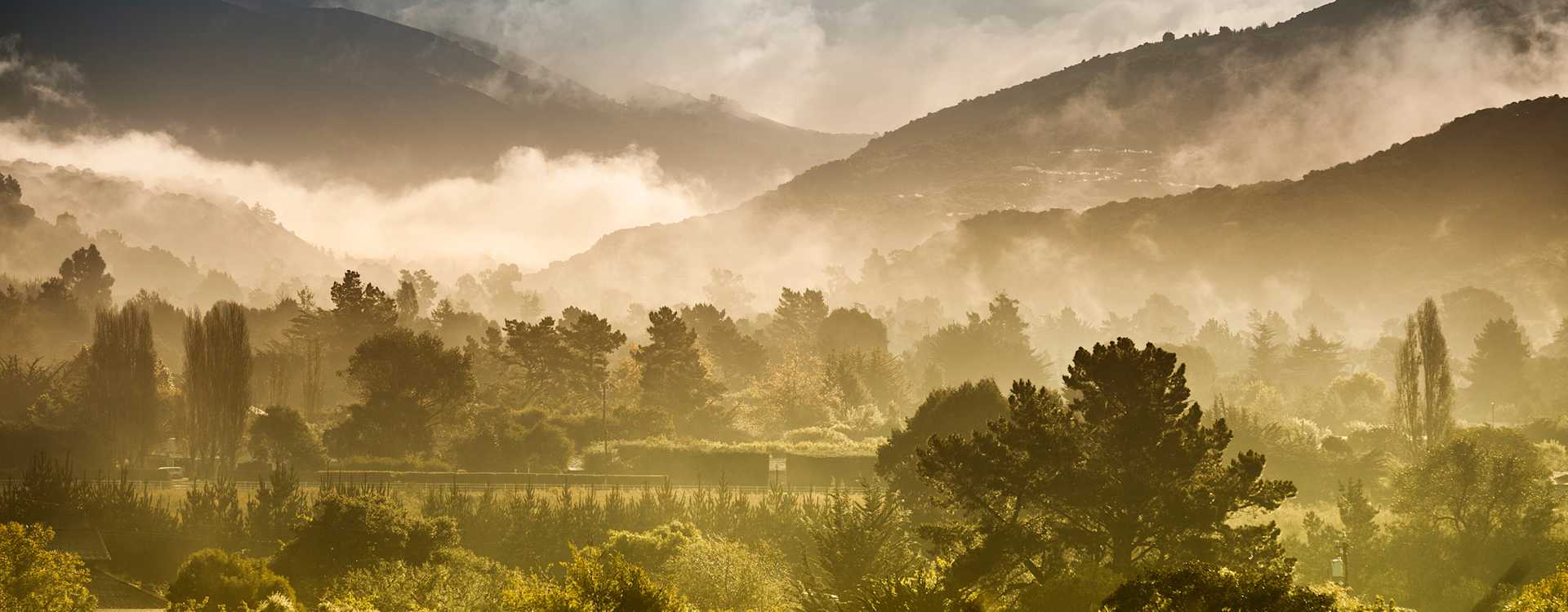
The largest and perhaps most varied of California’s wine-growing regions, the Central Coast produces a good majority of the state's wine. This vast California wine district stretches from San Francisco all the way to Santa Barbara along the coast, and reaches inland nearly all the way to the Central Valley.
Encompassing an extremely diverse array of climates, soil types and wine styles, it contains many smaller sub-AVAs, including San Francisco Bay, Monterey, the Santa Cruz Mountains, Paso Robles, Edna Valley, Santa Ynez Valley and Santa Maria Valley.
While the Central Coast California wine region could probably support almost any major grape varietiy, it is famous for a few Central Coast reds and whites. Pinot Noir, Chardonnay, Cabernet Sauvignon and Zinfandel are among the major ones. The Central Coast is home to many of the state's small, artisanal wineries crafting unique, high-quality wines, as well as larger producers also making exceptional wines.