

Winemaker Notes
Professional Ratings
-
Jeb Dunnuck
As good, if not better than the 2014 white, the 2015 White Wine Entre Chien et Loup (which translates to between a dog and wolf, but is a French saying referring to dusk/twilight) checks in as a blend of 44% Chardonnay, 40% Roussanne, 8% Petite Manseng and 8% Viognier, raised in a combination of concrete eggs, stainless steel, used barrels and new French oak (varying sizes). The Chardonnay dominates on the nose which shows terrific buttered citrus, stone fruits, marzipan and brioche nuances. These carry over to the palate where the wine is full-bodied, thrillingly concentrated and textured, with bright, even racy acidity. Give this beauty a few years, and it’s going to keep for two decades or more.
-
Robert Parker's Wine Advocate
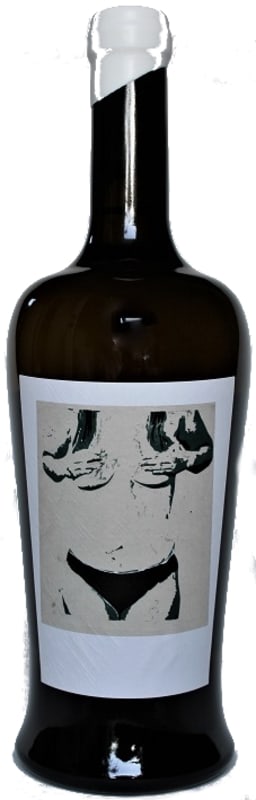
The 2015 Entre Chien et Loup is a blend of 44% Chardonnay, 40% Roussanne, 8% Petit Manseng and 8% Viognier coming 44% from Bien Nacido Vineyard, 30% from the Cumulus (Estate) Vineyard and 26% from the Eleven Confessions (Estate) Vineyard. No settling was done to the juices—they were fermented as “dirty” as possible and, as usual, they were not racked. This wine was matured for around 19 months (bottled April 12, 2017), in: 19% concrete eggs, 20% stainless steel, 20% used barrels and 41% new French oak. It opens with a positively electric nose of ripe apricots, pink grapefruit and green mango with notions of candied ginger, honeycomb, allspice and baking bread. Medium to full-bodied, the palate has a wonderfully satiny texture and incredible freshness, cutting through the dense tropical and stone fruit layers, finishing with epic length and many layers of savory and spice notions. By the way, I love the name of this wine and just wait until you see the label which, I’m happy to report, has already (somehow) been given the all-clear by the TTB. Drinking deliciously right now, it is built like a brick house and should cellar gracefully for 10-12 years+.
Rating: 97

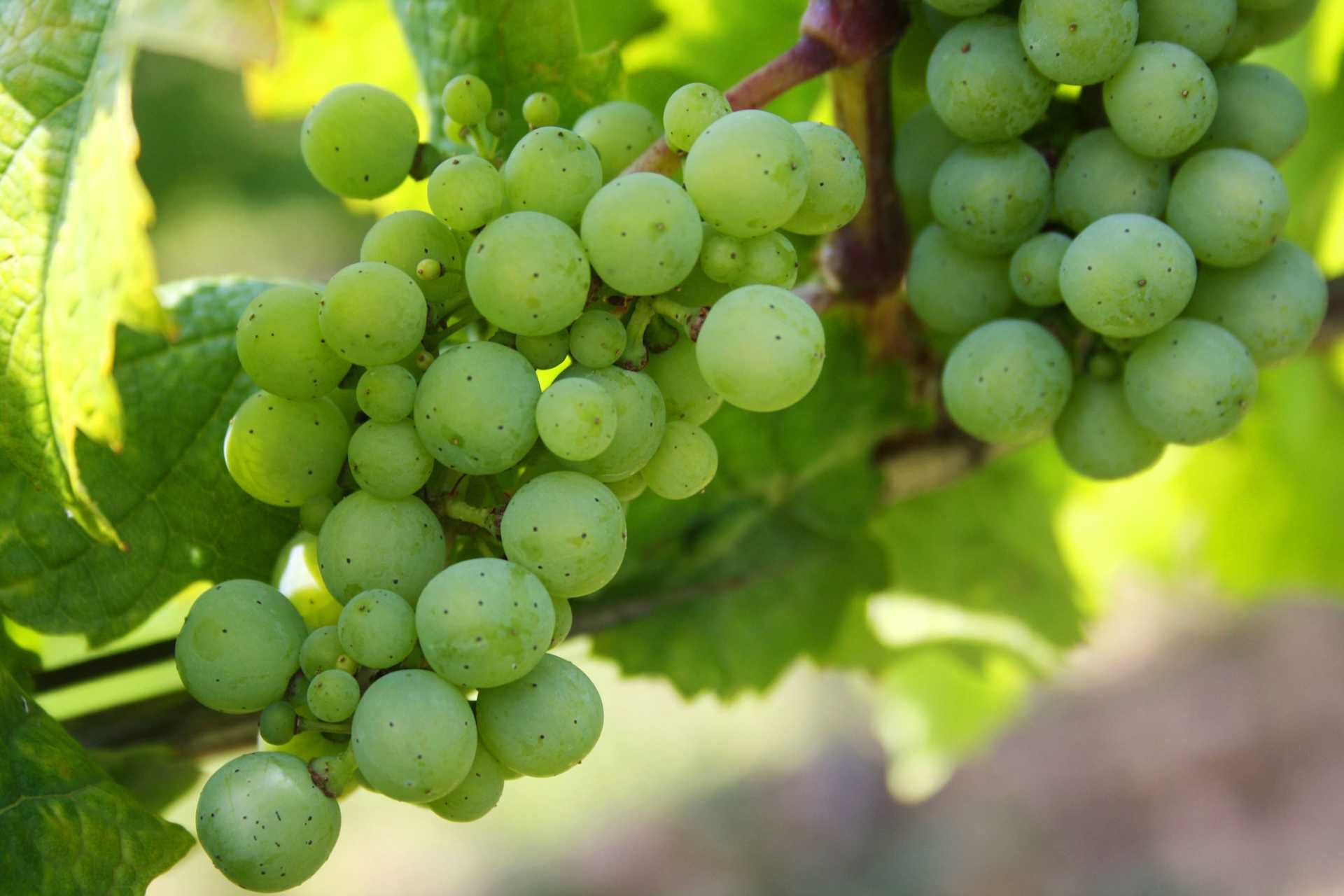
With hundreds of white grape varieties to choose from, winemakers have the freedom to create a virtually endless assortment of blended white wines. In many European regions, strict laws are in place determining the set of varieties that may be used in white wine blends, but in the New World, experimentation is permitted and encouraged. Blending can be utilized to enhance balance or create complexity, lending different layers of flavors and aromas. For example, a variety that creates a soft and full-bodied white wine blend, like Chardonnay, would do well combined with one that is more fragrant and naturally high in acidity. Sometimes small amounts of a particular variety are added to boost color or aromatics. Blending can take place before or after fermentation, with the latter, more popular option giving more control to the winemaker over the final qualities of the wine.

Responsible for the vast majority of American wine production, if California were a country, it would be the world’s fourth largest wine-producing nation. The state’s diverse terrain and microclimates allow for an incredible range of red wine styles, and unlike tradition-bound Europe, experimentation is more than welcome here. California wineries range from tiny, family-owned boutiques to massive corporations, and price and production are equally varied. Plenty of inexpensive bulk wine is made in the Central Valley area, while Napa Valley is responsible for some of the world’s most prestigious and expensive “cult” wines.
Each American Viticultural Area (AVA) and sub-AVA of has its own distinct personality, allowing California to produce red wine of every fashion: from bone dry to unctuously sweet, still to sparkling, light and fresh to rich and full-bodied. In the Napa Valley, Cabernet Sauvignon, Merlot, Chardonnay and Sauvignon Blanc dominate vineyard acreage. Sonoma County is best known for Chardonnay, Pinot Noir, Cabernet Sauvignon, Rosé and Zinfandel. The Central Coast has carved out a niche with Rhône Blends based on Grenache and Syrah, while Mendocino has found success with cool climate varieties such as Pinot noir, Riesling and Gewürztraminer. With all the diversity that California wine has to offer, any wine lover will find something to get excited about here.