

Winemaker Notes
Blend: 83.6% Syrah, 3% Mourvedre, 5.2% Petite Sirah, 6.2% Grenache, 1.4% Muscat, 0.6% Petit Manseng
Professional Ratings
-
Jeb Dunnuck
Not yet bottled, the 2019 Syrah Distenta 1 checks in as 83.6% Syrah, 6.2% Grenache, 5.2% Petite Sirah, and the rest Mourvèdre, Muscat, and Petit Manseng. A full-bodied, seductive, incredibly sexy wine that’s just about overflowing with fruit, its deep purple color is followed by beautiful cassis and darker berry fruits as well as notes of smoke game, pepper, and spring flowers. The tannins are polished, and it has a great mid-palate as well as one heck of a great finish. Due to the difficulty in trademarking names today, the estate has settled on using the name Distenta for their normal Syrah going forward. Luckily though, the incredible artwork on the labels will continue.
Barrel Sample: 98-100 -
Robert Parker's Wine Advocate
Deep garnet-purple colored, it erupts from the glass with a powerfully fragrant nose of red roses, Morello cherries, boysenberries and juicy blueberries, followed by hints of mocha, star anise, cardamom and cassia. The concentrated, full-bodied palate is jam-packed with bright, crunchy black, blue and red fruits. It has a rock-solid structure of firm, finely-grained tannins and seamless freshness lifting the shimmering layers to a long, energetic finish. The complexity and vivacity of this Syrah are simply jaw-dropping!


Marked by an unmistakable deep purple hue and savory aromatics, Syrah makes an intense, powerful and often age-worthy red. Native to the Northern Rhône, Syrah achieves its maximum potential in the steep village of Hermitage and plays an important component in the Red Rhône Blends of the south, adding color and structure to Grenache and Mourvèdre. Syrah is the most widely planted grape of Australia and is important in California and Washington. Sommelier Secret—Such a synergy these three create together, the Grenache, Syrah, Mourvedre trio often takes on the shorthand term, “GSM.”
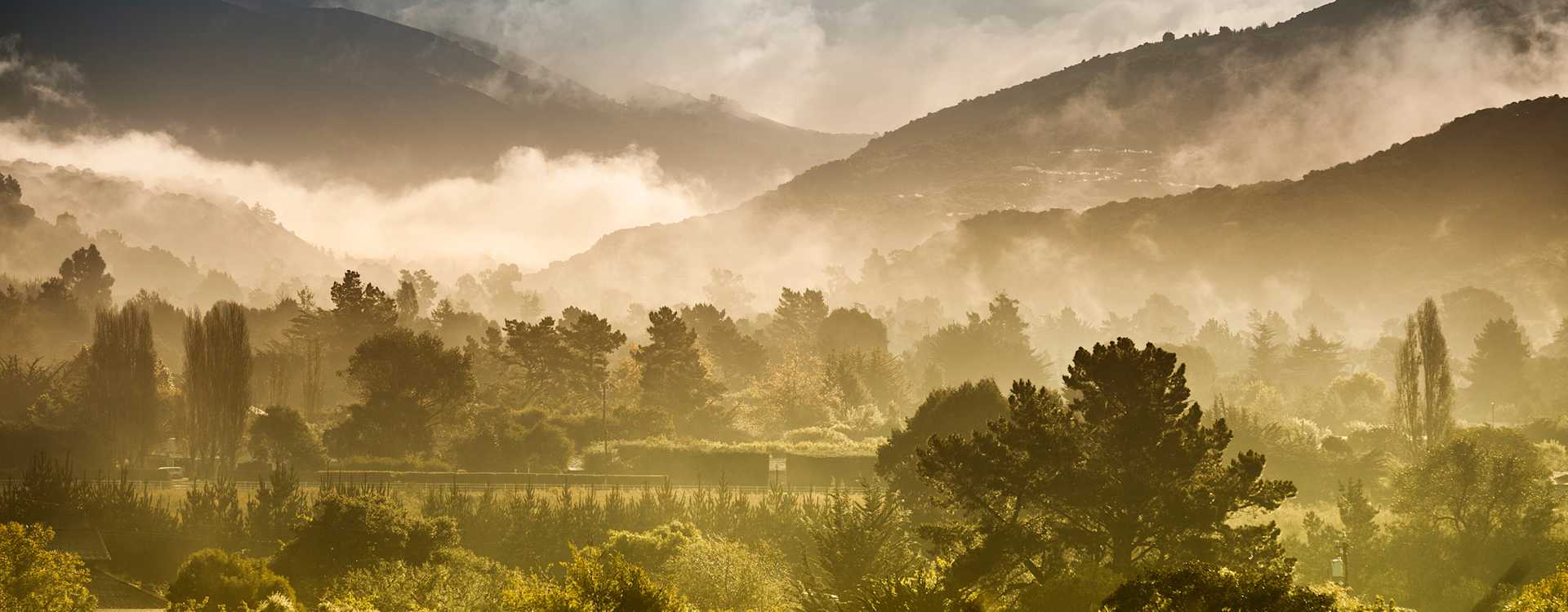
The largest and perhaps most varied of California’s wine-growing regions, the Central Coast produces a good majority of the state's wine. This vast California wine district stretches from San Francisco all the way to Santa Barbara along the coast, and reaches inland nearly all the way to the Central Valley.
Encompassing an extremely diverse array of climates, soil types and wine styles, it contains many smaller sub-AVAs, including San Francisco Bay, Monterey, the Santa Cruz Mountains, Paso Robles, Edna Valley, Santa Ynez Valley and Santa Maria Valley.
While the Central Coast California wine region could probably support almost any major grape varietiy, it is famous for a few Central Coast reds and whites. Pinot Noir, Chardonnay, Cabernet Sauvignon and Zinfandel are among the major ones. The Central Coast is home to many of the state's small, artisanal wineries crafting unique, high-quality wines, as well as larger producers also making exceptional wines.