


Winemaker Notes
Professional Ratings
-
Wilfred Wong of Wine.com
COMMENTARY: The 2019 Silverado Vineyards Sangiovese Rosato is a bonafide wine lovers' rosé. TASTING NOTES: This wine shines with aromas and flavors of red fruit and dried earth. Pair it with fresh salmon sashimi. (Tasted: October 22, 2020, San Francisco, CA)
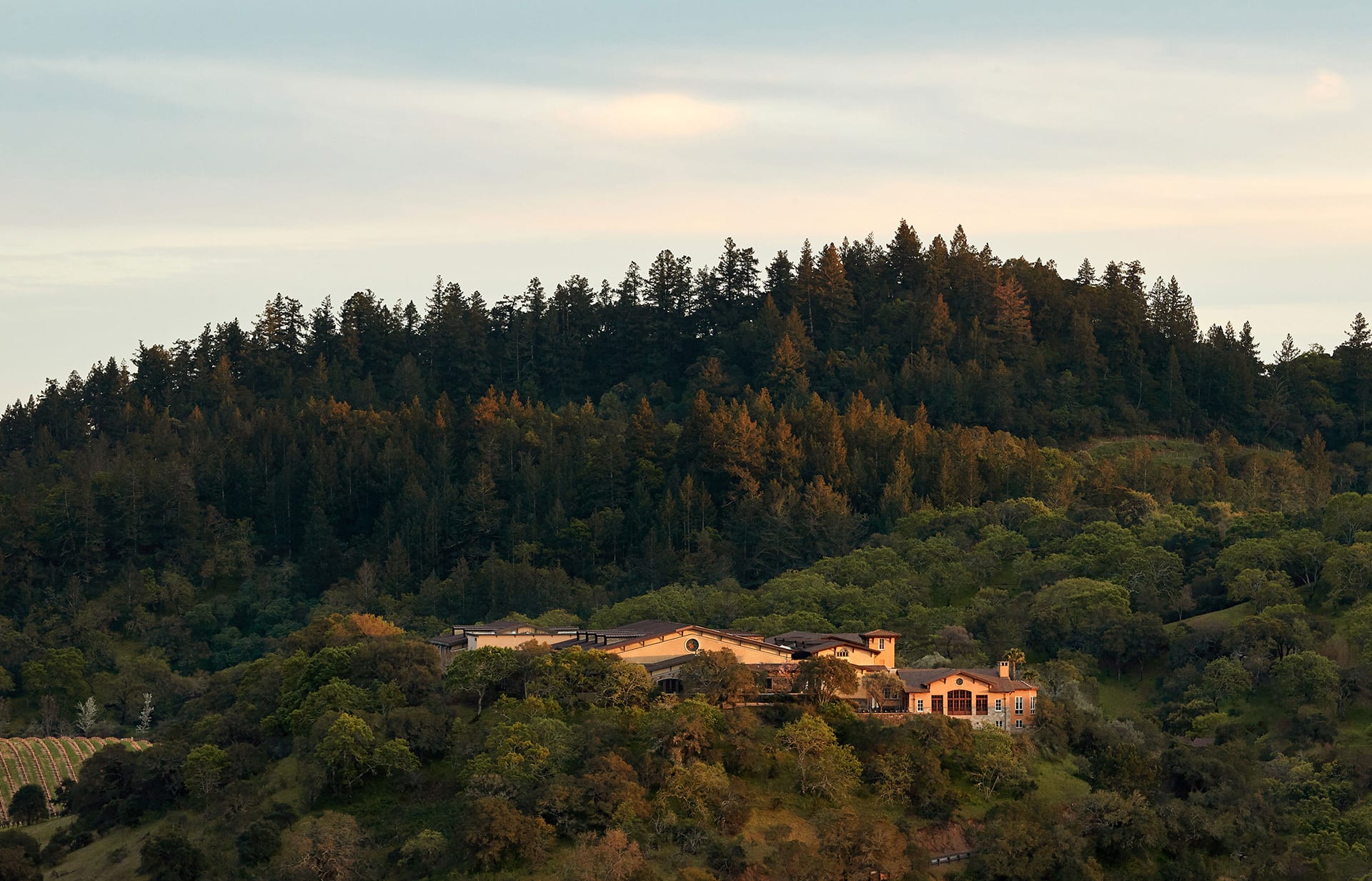




Nestled in the hills on the North West side of the Stags Leap District, Silverado Vineyards Winery has been a favorite wine country destination and home to some of the Napa Valley’s most-recognized wines for almost forty years. In 1981, Ron and Diane Disney Miller and her mother, Lillian Disney, established Silverado Vineyards to make wines from the historic sites of the estate the family owns. The winery was named in honor of the Silverado Vineyard, one of the first four in Stags Leap District to plant Cabernet in the 1960s. The vineyard pays homage to the abandoned mining town at the top of the Valley which also inspired the name of the famous Silverado Trail where Silverado Vineyards and other iconic wineries of the Stags Leap District are situated. Silverado Vineyards owns five other storied vineyards across Napa Valley’s top AVAs: Miller Ranch, Mt. George, Soda Creek Ranch (Borreo), Firetree, and Vineburg. All of Silverado’s wines are estate-grown, produced and bottled. Winemaker Jon Emmerich is only the second lead winemaker in the history of Silverado Vineyards and celebrated his 30th vintage with the winery in 2020. Jon has grown Silverado’s reputation for quality and consistency along with his colleague Elena Franceschi, who has been Silverado’s associate winemaker for nearly 25 years. When Diane Miller passed away in 2013, Ron Miller became president of the Board of Directors of The Walt Disney Family Museum, and chairman of Silverado Vineyards until his passing in 2019. Diane and Ron’s children and grandchildren proudly continue to carry their family’s legacy forward as the owners of Silverado Vineyards.

Whether it’s playful and fun or savory and serious, most rosé today is not your grandmother’s White Zinfandel, though that category remains strong. Pink wine has recently become quite trendy, and this time around it’s commonly quite dry. Since the pigment in red wines comes from keeping fermenting juice in contact with the grape skins for an extended period, it follows that a pink wine can be made using just a brief period of skin contact—usually just a couple of days. The resulting color depends on grape variety and winemaking style, ranging from pale salmon to deep magenta.

One of the world's most highly regarded regions for wine production as well as tourism, the Napa Valley was responsible for bringing worldwide recognition to California winemaking. In the 1960s, a few key wine families settled the area and hedged their bets on the valley's world-class winemaking potential—and they were right.
The Napa wine industry really took off in the 1980s, when producers scooped up vineyard lands and planted vines throughout the county. A number of wineries emerged, and today Napa is home to hundreds of producers ranging from boutique to corporate. Cabernet Sauvignon is definitely the grape of choice here, with many winemakers also focusing on Bordeaux blends. White wines from Napa Valley are usually Chardonnay and Sauvignon Blanc.
Within the Napa Valley lie many smaller sub-AVAs that claim specific wine characteristics based on situation, slope and soil. Farthest south and coolest from the influence of the San Pablo Bay is Carneros, followed by Coombsville to its northeast and then Yountville, Oakville and Rutherford. Above those are the warm St. Helena and the valley's newest and hottest AVA, Calistoga. These areas follow the valley floor and are known generally for creating rich, dense, complex and smooth red wines with good aging potential. The mountain sub appellations, nestled on the slopes overlooking the valley AVAs, include Stags Leap District, Atlas Peak, Chiles Valley (farther east), Howell Mountain, Mt. Veeder, Spring Mountain District and Diamond Mountain District. Napa Valley wines from the mountain regions are often more structured and firm, benefiting from a lot of time in the bottle to evolve and soften.