
Winemaker Notes
Blend: 88% Cabernet Sauvignon, 4% Merlot, 4% Cabernet Franc, 4% Petit Verdot
Silverado Vineyards has made excellent Cabernet Sauvignon since 1981, but only 12 vintages have merited the rare Limited label. Limited Cabernet Sauvignon is produced only in optimal years, when small lots of wine are blended to express the essence of classic, age worthy Napa Valley Cabernet. 2005 was that kind of year.
Vineyard Sources:
Mt. George Vineyard (62%)
Located east of Napa, Mt. George Vineyard is the site of one of the first grape plantings in the valley in the 19th century. The deep, gravelly soils are derived from volcanic rock and ash, providing depth and structure to Silverado's wines.
Stags Leap Vineyard (38%)
This sloping, gravelly soils and sunny exposure of this vineyard helped establish the reputation of Stags Leap District for fine Cabernet.
Professional Ratings
-
Robert Parker's Wine Advocate
Broodingly backward, but enormously promising is the 2005 Cabernet Sauvignon Limited Reserve, a blend of 88% Cabernet Sauvignon and the rest equal parts Merlot, Cabernet Franc, and Petit Verdot. Dense purple to the rim, with restrained, but promising aromas of lavender, roasted herbs, blueberries, and black currants, this wine hits the palate with sensational concentration, and elevated, but sweet, well-integrated tannins. It is a full-bodied, dense, exceptionally pure, harmonious Cabernet with long-term potential. Forget it for 3-5 years, and drink it over the following 25-30 years. Rated 94+.
-
Wine Enthusiast
Impresses for its depth, power and balance, a wine whose classic acid-tannin structure could only have come from a pedigreed terroir. There’s an enormous concentration of black currants and minerals, but the wine is immature in astringent tannins. Needs time, and possibly lots of it. Best 2011 and beyond.
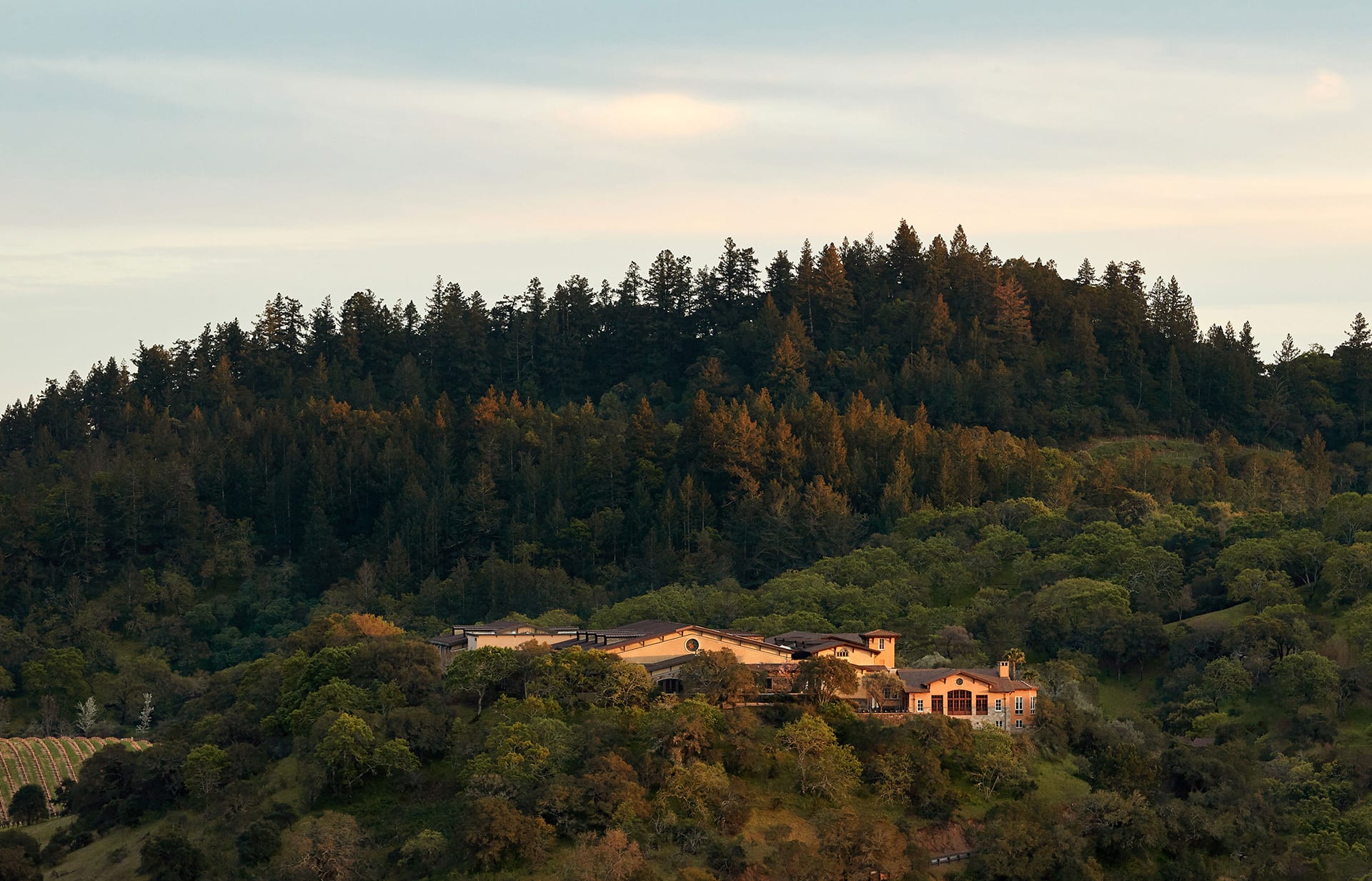




Nestled in the hills on the North West side of the Stags Leap District, Silverado Vineyards Winery has been a favorite wine country destination and home to some of the Napa Valley’s most-recognized wines for almost forty years. In 1981, Ron and Diane Disney Miller and her mother, Lillian Disney, established Silverado Vineyards to make wines from the historic sites of the estate the family owns. The winery was named in honor of the Silverado Vineyard, one of the first four in Stags Leap District to plant Cabernet in the 1960s. The vineyard pays homage to the abandoned mining town at the top of the Valley which also inspired the name of the famous Silverado Trail where Silverado Vineyards and other iconic wineries of the Stags Leap District are situated. Silverado Vineyards owns five other storied vineyards across Napa Valley’s top AVAs: Miller Ranch, Mt. George, Soda Creek Ranch (Borreo), Firetree, and Vineburg. All of Silverado’s wines are estate-grown, produced and bottled. Winemaker Jon Emmerich is only the second lead winemaker in the history of Silverado Vineyards and celebrated his 30th vintage with the winery in 2020. Jon has grown Silverado’s reputation for quality and consistency along with his colleague Elena Franceschi, who has been Silverado’s associate winemaker for nearly 25 years. When Diane Miller passed away in 2013, Ron Miller became president of the Board of Directors of The Walt Disney Family Museum, and chairman of Silverado Vineyards until his passing in 2019. Diane and Ron’s children and grandchildren proudly continue to carry their family’s legacy forward as the owners of Silverado Vineyards.

One of the most prestigious wines of the world capable of great power and grace, Napa Valley Cabernet is a leading force in the world of fine, famous, collectible red wine. Today the Napa Valley and Cabernet Sauvignon are so intrinsically linked that it is difficult to discuss one without the other. But it wasn’t until the 1970s that this marriage came to light; sudden international recognition rained upon Napa with the victory of the Stag’s Leap Wine Cellars 1973 Cabernet Sauvignon in the 1976 Judgement of Paris.
Cabernet Sauvignon undoubtedly dominates Napa Valley today, covering half of the land under vine, commanding the highest prices per ton and earning the most critical acclaim. Cabernet Sauvignon’s structure, acidity, capacity to thrive in multiple environs and ability to express nuances of vintage make it perfect for Napa Valley where incredible soil and geographical diversity are found and the climate is perfect for grape growing. Within the Napa Valley lie many smaller sub-AVAs that express specific characteristics based on situation, slope and soil—as a perfect example, Rutherford’s famous dust or Stags Leap District's tart cherry flavors.