


Winemaker Notes
The 2013 Napa Valley Cabernet Sauvignon is comprised of 79% Cabernet Sauvignon, 15% Merlot, 3% Cabernet Franc and 3% Petit Verdot.
Professional Ratings
-
Wilfred Wong of Wine.com
Early Silver Oak wines—the winery's first vintage in 1972 produced a mere 1,100 cases—were often quite adventurous. Always exciting those vintages, over four decades ago were sometimes up and down, and far from the polished product that the wine is today. Over the past decade, these Napa Cabs have continued to garner attention, and have now become remarkably consistent. The 2013 Silver Oak Napa Valley Cabernet Sauvignon, with the potential to be the winery's best ever, is seamless, rewarding, and a standout. At first sniff, this wine shows black fruit and cedar notes. With aeration, its aromatics blossom and springs forth with a delightful array of savory spices. Invite a few wine friends and pair this wine with a thick, rare slice of prime rib and enjoy the wine and food synergy. ((Tasted: January 17, 2018, San Francisco, CA USA)
-
Decanter
Big and bold, with sweet and spicy fruit flavours and a dark blackberry and chocolate nose, this wine has a long tannic finish. It’s likable and modern in style, not as sweet as in the past, and with less new oak aging, a definite plus. The long slow growing season resulted in wines that are concentrated and structured. This seems a return to the old style under Justin Meyer.
-
Wine Spectator
Shows off a distinctive dill and mocha edge, leading to a complex core of dark berry, licorice, loamy earth and cedar flavors. Ends with firm tannins and good length. Drink now through 2030.
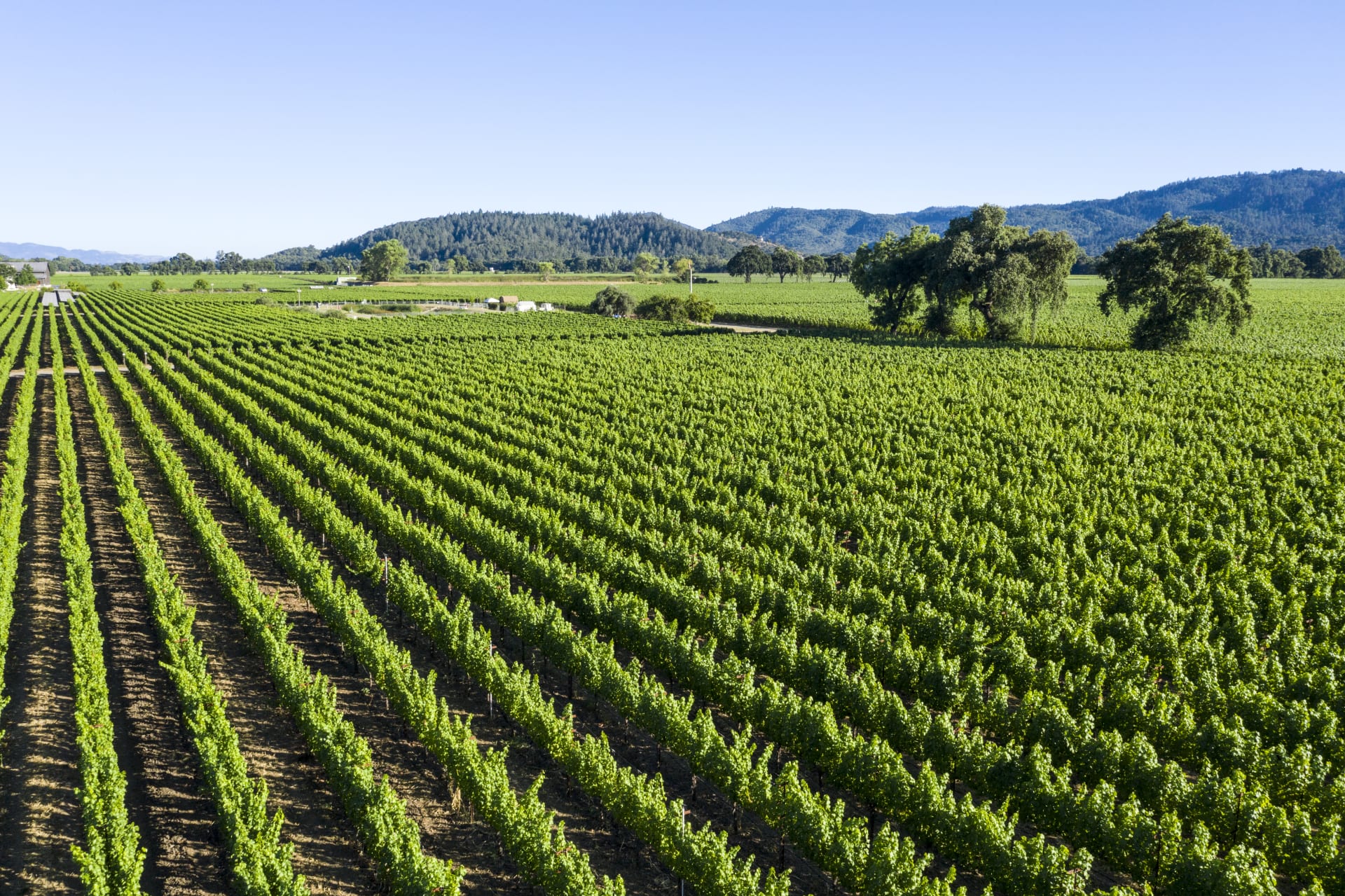




Silver Oak was started in 1972 with a simple driving philosophy - to focus production on only one varietal, Cabernet Sauvignon. What's more, they resolved to create a wine with a style all its own: not another hard, tannic red wine requiring years of aging to enjoy, but a wine of fully developed flavors and a velvety soft texture on the day it is released for sale.
Silver Oak produces Cabernet Sauvignon from two appellations. Their Napa Valley derives its fruit from both owned and contracted vineyards, and is produced entirely at their Oakville winery. Beginning in 1994, small amounts of Cabernet Franc, Merlot and Petit Verdot have been included in their Napa blend to add complexity and softness.
Silver Oak also produces stellar Cabernet from their Alexander Valley vineyards. A critical reason for the success of this wine, and every wine they make, has always been that they create the final blend before aging it in American oak barrels and then bottles. Over the course of four-and-a-half years, the wine’s flavors, aromas, and textures have an opportunity to meld with one another and the wood’s delicate qualities to create the kind of graceful cohesion found only in the world's most elegant wines.

One of the most prestigious wines of the world capable of great power and grace, Napa Valley Cabernet is a leading force in the world of fine, famous, collectible red wine. Today the Napa Valley and Cabernet Sauvignon are so intrinsically linked that it is difficult to discuss one without the other. But it wasn’t until the 1970s that this marriage came to light; sudden international recognition rained upon Napa with the victory of the Stag’s Leap Wine Cellars 1973 Cabernet Sauvignon in the 1976 Judgement of Paris.
Cabernet Sauvignon undoubtedly dominates Napa Valley today, covering half of the land under vine, commanding the highest prices per ton and earning the most critical acclaim. Cabernet Sauvignon’s structure, acidity, capacity to thrive in multiple environs and ability to express nuances of vintage make it perfect for Napa Valley where incredible soil and geographical diversity are found and the climate is perfect for grape growing. Within the Napa Valley lie many smaller sub-AVAs that express specific characteristics based on situation, slope and soil—as a perfect example, Rutherford’s famous dust or Stags Leap District's tart cherry flavors.