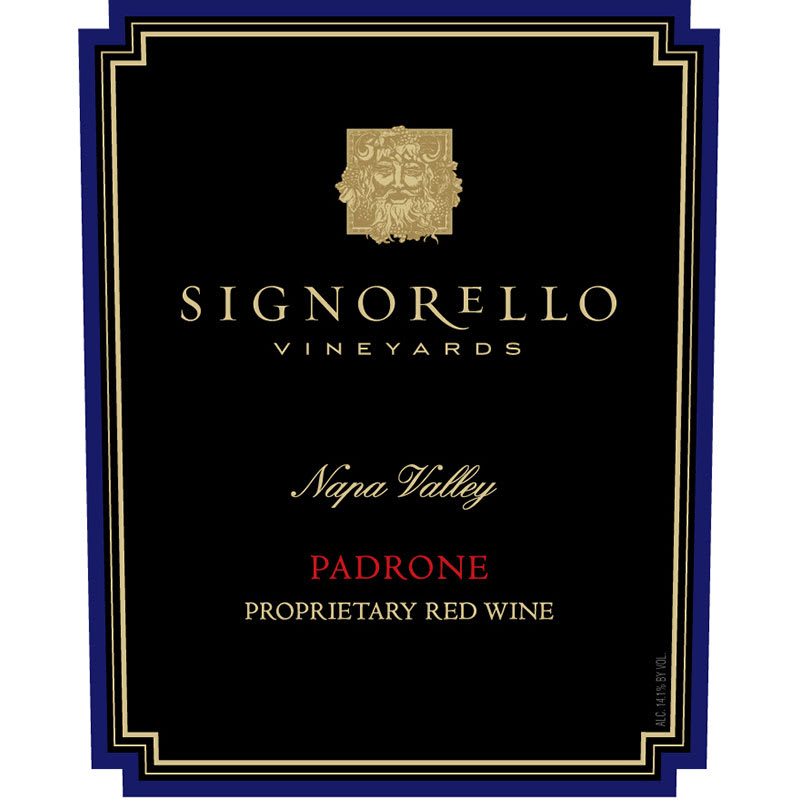

Winemaker Notes
Blend: 83% Cabernet Sauvignon, 12% Merlot and5% Cabernet Franc
Professional Ratings
-
Wine Enthusiast
Lots of voluptuous softness in the mouth, like velvet gliding over the palate. But you'll also experience serious tannins that hit midway, creating a lockdown astringency. Evidence of ageability lies in the massive core of blackberries and cassis, as well as the overall balance and tang of acidity on the finish. This Cabernet Sauvignon-based Bordeaux blend should hit its stride after 2012 and continue for many years. Cellar Selection.
-
Robert Parker's Wine Advocate
The 2006 Padrone is composed of 83% Cabernet Sauvignon, 12% Merlot, and 5% Cabernet Franc. Chocolate truffle, black currant, espresso roast, tobacco leaf, and subtle oak aromas soar from the glass of this deep, saturated purple-colored 2006. The wine possesses terrific fruit purity and intensity as well as a full-bodied mouthfeel, and a dense, concentrated finish with moderately high tannins. This is a big, muscular, impressively endowed wine that should age effortlessly for 25 years or more.
-
Wine & Spirits
From two rocky parcels of Signorello's hillside estate above the Silverado Trail, Padrone is predominantly cabernet sauvignon (83 percent) blended with cabernet franc and merlot. It's a bold red with herbal and licorice notes to the fruit, but for now much of the flavor derives from oak, with rich scents of honey, cocoa and graham. The finish is smoky and sleek, and the wine may develop more complexity with time in bottle.


One of the most prestigious wines of the world capable of great power and grace, Napa Valley Cabernet is a leading force in the world of fine, famous, collectible red wine. Today the Napa Valley and Cabernet Sauvignon are so intrinsically linked that it is difficult to discuss one without the other. But it wasn’t until the 1970s that this marriage came to light; sudden international recognition rained upon Napa with the victory of the Stag’s Leap Wine Cellars 1973 Cabernet Sauvignon in the 1976 Judgement of Paris.
Cabernet Sauvignon undoubtedly dominates Napa Valley today, covering half of the land under vine, commanding the highest prices per ton and earning the most critical acclaim. Cabernet Sauvignon’s structure, acidity, capacity to thrive in multiple environs and ability to express nuances of vintage make it perfect for Napa Valley where incredible soil and geographical diversity are found and the climate is perfect for grape growing. Within the Napa Valley lie many smaller sub-AVAs that express specific characteristics based on situation, slope and soil—as a perfect example, Rutherford’s famous dust or Stags Leap District's tart cherry flavors.