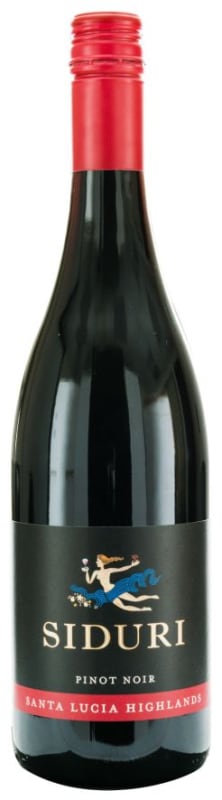


Winemaker Notes
Professional Ratings
-
Jeb Dunnuck
The entry-level Santa Lucia Highlands cuvée is the 2016 Pinot Noir Santa Lucia Highlands, a mix of all the single vineyards, fermented with 15% stems. Black raspberries, blueberries, crushed flowers, and violet notes all emerge from this rich, textured, and fruit-forward effort. It's a powerful, textured, and ready to go. Drink it over the coming 5-6 years.
-
Robert Parker's Wine Advocate
Pale to medium ruby-purple, the 2016 Pinot Noir Santa Lucia Highlands has a bright nose of crushed red and black cherry, dried cranberry, pomegranate liqueur and rhubarb with nuances of dusty earth, dried leaves and floral hints. Light to medium-bodied, it offers fresh red and black fruit flavors in the mouth with juicy acidity and soft tannins, finishing with an herbal tinge.
-
Wine Enthusiast
Deep aromas of black-plum sauce, dark rose petals, sugar plums and roasted pork show on the nose of this appellation blend by Adam Lee. Freshly cut plums, cherry pits, squeezed cranberries and cocoa show on the vivacious sip.


Thin-skinned, finicky and temperamental, Pinot Noir is also one of the most rewarding grapes to grow and remains a labor of love for some of the greatest vignerons in Burgundy. Fairly adaptable but highly reflective of the environment in which it is grown, Pinot Noir prefers a cool climate and requires low yields to achieve high quality. Outside of France, outstanding examples come from in Oregon, California and throughout specific locations in wine-producing world. Somm Secret—André Tchelistcheff, California’s most influential post-Prohibition winemaker decidedly stayed away from the grape, claiming “God made Cabernet. The Devil made Pinot Noir.”

Perhaps the most highly regarded appellation within Monterey County, Santa Lucia Highlands AVA benefits from a combination of warm morning sunshine and brisk afternoon breezes, allowing grapes to ripen slowly and fully. The result is concentrated, flavorful wines that retain their natural acidity. Wineries here do not shy away from innovation, and place a high priority on sustainable viticultural practices.
The climatic conditions here are perfectly suited to the production of ripe, rich Pinot Noir and Chardonnay. These Burgundian varieties dominate an overwhelming percentage of plantings, though growers have also found success with Syrah, Riesling and Pinot Gris.