

Winemaker Notes
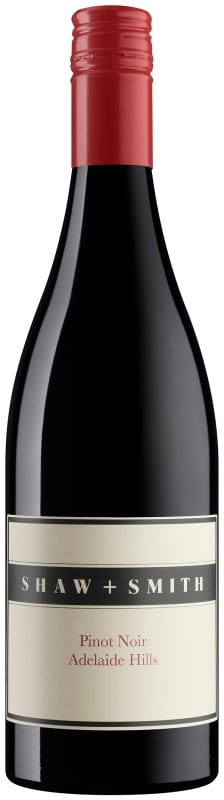
This wine is delicate and fragrant, light to medium bodied yet showing deceptive power, with silky tannins and medium-term aging potential. It offers depth of flavor and concentration, with darker fruit, spice, and a savory edge, presenting a structured and textural character from a low-yielding year, and is best enjoyed in a large red wine glass with charcuterie.
Professional Ratings
-
James Suckling
Lifted and perfumed aromas of raspberries, wild strawberries, cassia bark and potpourri. The palate is medium-bodied with finely integrated tannins and bright acidity, showing notes of blueberry bush, rhubarb and spices. A lovely balance of bright and lifted fruit with a savory undertone. Delicious.
-
Robert Parker's Wine Advocate
The 2023 Lenswood Pinot Noir leads with cherries and strawberries, redcurrants and peppercorns. There's a hint of spice and lift from the whole bunches—one assumes—on the middle palate, which also contribute some attractive stalky texture. I find the finish to be firm and a little tart, with a smattering of clove and woodsy spice. The clone 114 fruit comes from a lovely vineyard site at 500 meters in elevation in Lenswood, in the Adelaide Hills, planted in 1999.


Thin-skinned, finicky and temperamental, Pinot Noir is also one of the most rewarding grapes to grow and remains a labor of love for some of the greatest vignerons in Burgundy. Fairly adaptable but highly reflective of the environment in which it is grown, Pinot Noir prefers a cool climate and requires low yields to achieve high quality. Outside of France, outstanding examples come from in Oregon, California and throughout specific locations in wine-producing world. Somm Secret—André Tchelistcheff, California’s most influential post-Prohibition winemaker decidedly stayed away from the grape, claiming “God made Cabernet. The Devil made Pinot Noir.”
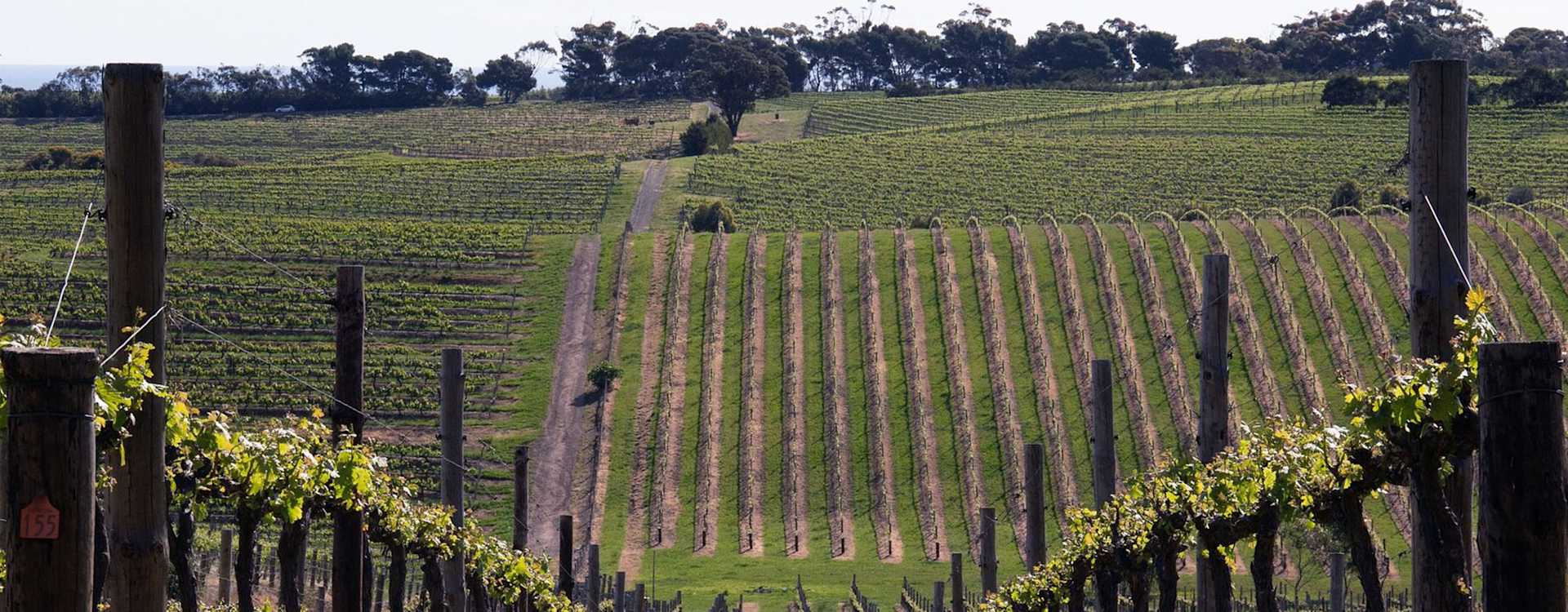
A narrow band of hills and valleys east of the city of Adelaide, the Adelaide Hills region is a diverse landscape featuring a variety of microclimates. In general it is moderate with high-altitude areas cooler and wetter compared to its warmer, lower areas.
Piccadilly Valley, the part of Adelaide Hills closest to the city, was first staked out by a grower named Brian Croser, in the 1970s for a cool spot to grow Chardonnay, then uncommon in Australia. Today a good amount of the Chardonnay goes to winemakers outside of the region.
Producers here experiment with other cool-climate loving aromatic varieties like Pinot Gris, Viognier and Riesling. Charming sparkling wine is also possible. On its north side, lower, west-facing slopes make full-bodied Shiraz.