


Winemaker Notes
Enjoy in a large red wine glass, with some charcuterie.
Professional Ratings
-
Wine Enthusiast
You can tell straight away that this wine, with its translucent cherry hue, will be bright and bouncy. It smells like freshly squeezed cherry and strawberry juice, underscored by cinnamon stick, flowers and minerals. The palate is as light and fresh as the color and aroma suggest. The red berry flavors crunch and crackly amid a silky texture and gentle tug of tannins. Light, bright and a little stalky at the finish, this is a crowd-pleaser of a Pinot to be drunk fairly young and slightly chilled. Editors' Choice.


Thin-skinned, finicky and temperamental, Pinot Noir is also one of the most rewarding grapes to grow and remains a labor of love for some of the greatest vignerons in Burgundy. Fairly adaptable but highly reflective of the environment in which it is grown, Pinot Noir prefers a cool climate and requires low yields to achieve high quality. Outside of France, outstanding examples come from in Oregon, California and throughout specific locations in wine-producing world. Somm Secret—André Tchelistcheff, California’s most influential post-Prohibition winemaker decidedly stayed away from the grape, claiming “God made Cabernet. The Devil made Pinot Noir.”
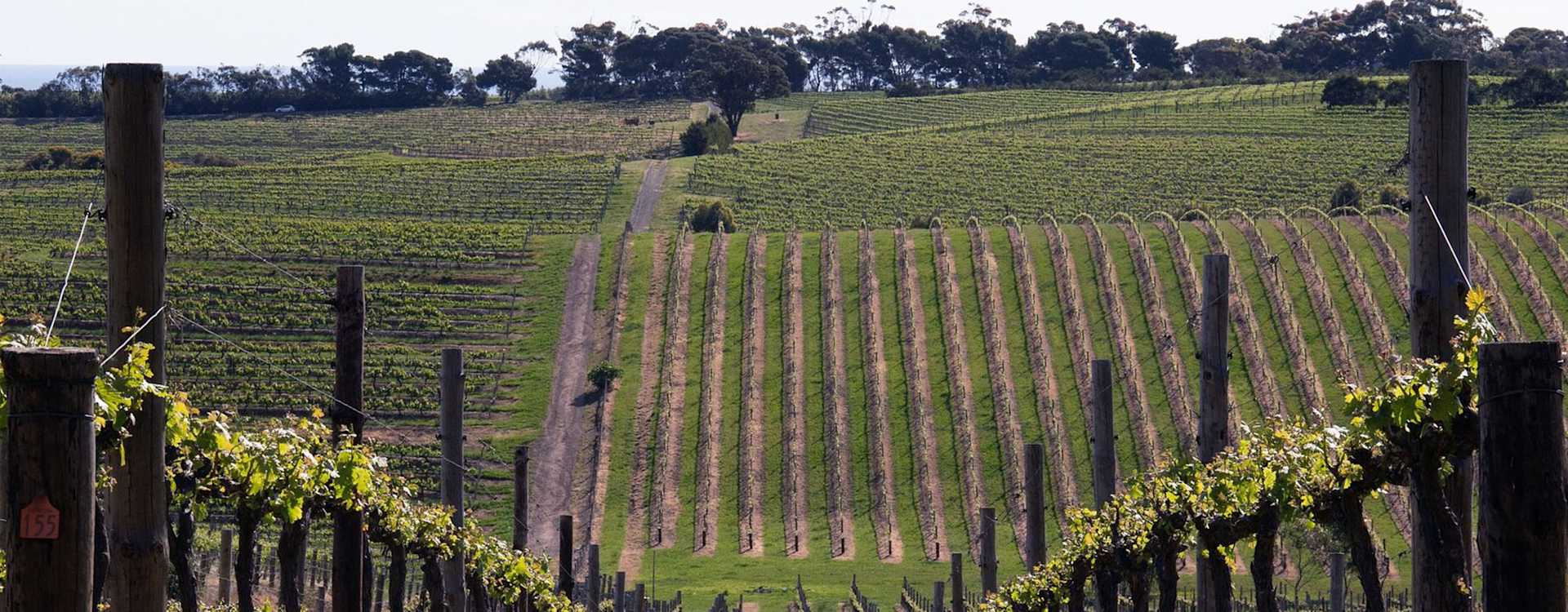
A narrow band of hills and valleys east of the city of Adelaide, the Adelaide Hills region is a diverse landscape featuring a variety of microclimates. In general it is moderate with high-altitude areas cooler and wetter compared to its warmer, lower areas.
Piccadilly Valley, the part of Adelaide Hills closest to the city, was first staked out by a grower named Brian Croser, in the 1970s for a cool spot to grow Chardonnay, then uncommon in Australia. Today a good amount of the Chardonnay goes to winemakers outside of the region.
Producers here experiment with other cool-climate loving aromatic varieties like Pinot Gris, Viognier and Riesling. Charming sparkling wine is also possible. On its north side, lower, west-facing slopes make full-bodied Shiraz.