


Winemaker Notes
Superb alongside grilled Pacific Sea Bass with a caper butter sauce.
Professional Ratings
-
James Suckling
A very complex and very composed chardonnay, delivering plenty of yellow grapefruit and white peaches with gently nutty elements. The right mix of fresh acidity and fleshy fruit. Impressive style and grace. Drink now.
-
Robert Parker's Wine Advocate
The 2016 M3 Chardonnay kicks off with trace aromas of struck match and roasted cashew, then opens into grilled pineapple and peach. It's medium to full-bodied, providing a generous mid-palate of fruit, then tightens up and refocuses on the citrus-laden finish. It's one of the best M3 Chards I can recall tasting, showing lovely balance and complexity.


One of the most popular and versatile white wine grapes, Chardonnay offers a wide range of flavors and styles depending on where it is grown and how it is made. While it tends to flourish in most environments, Chardonnay from its Burgundian homeland produces some of the most remarkable and longest lived examples. California produces both oaky, buttery styles and leaner, European-inspired wines. Somm Secret—The Burgundian subregion of Chablis, while typically using older oak barrels, produces a bright style similar to the unoaked style. Anyone who doesn't like oaky Chardonnay would likely enjoy Chablis.
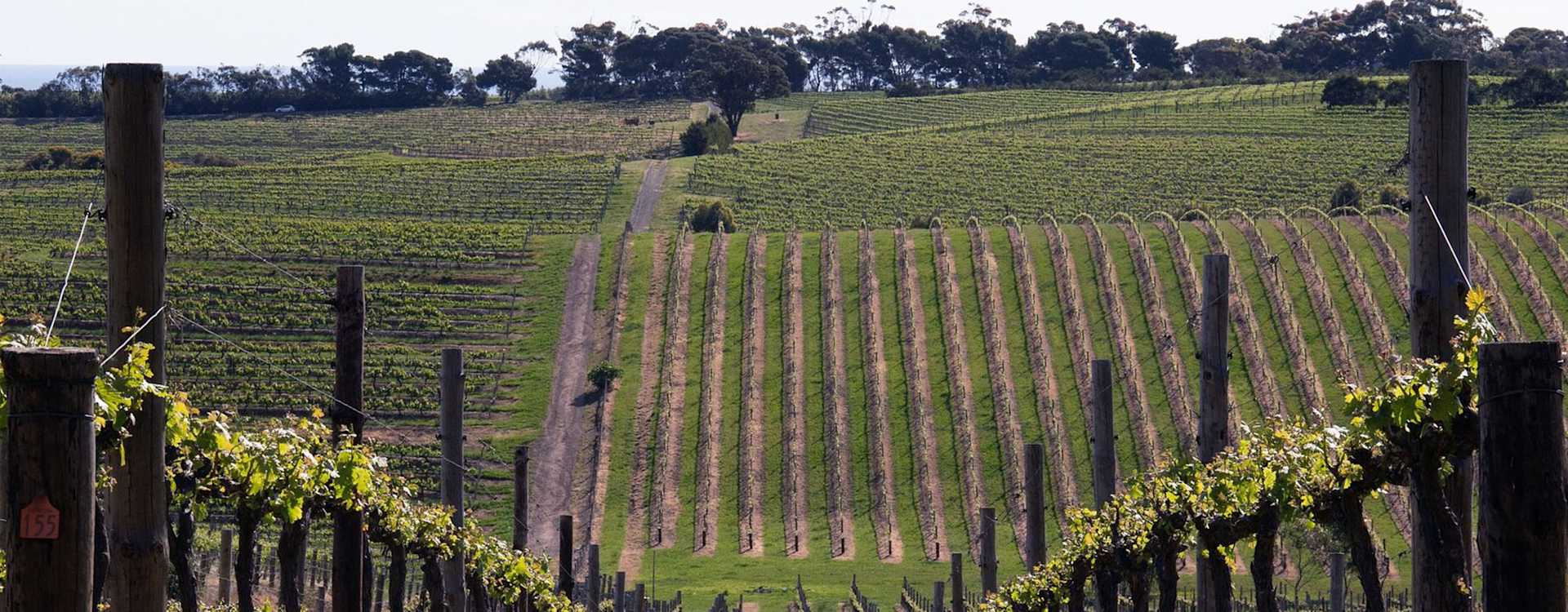
A narrow band of hills and valleys east of the city of Adelaide, the Adelaide Hills region is a diverse landscape featuring a variety of microclimates. In general it is moderate with high-altitude areas cooler and wetter compared to its warmer, lower areas.
Piccadilly Valley, the part of Adelaide Hills closest to the city, was first staked out by a grower named Brian Croser, in the 1970s for a cool spot to grow Chardonnay, then uncommon in Australia. Today a good amount of the Chardonnay goes to winemakers outside of the region.
Producers here experiment with other cool-climate loving aromatic varieties like Pinot Gris, Viognier and Riesling. Charming sparkling wine is also possible. On its north side, lower, west-facing slopes make full-bodied Shiraz.