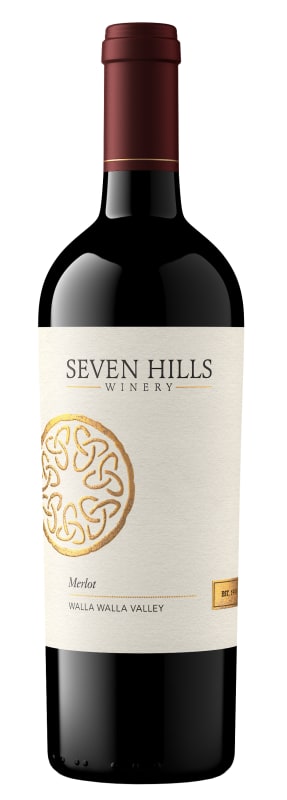


Winemaker Notes
Ruby in color with pronounced aromatics of red cherries, marionberry, and dried cranberries with hints of star anise, cigar box, and mocha. Medium body with elegant texture supported by balanced acid and fine medium tannins providing flavors of red cherries, raspberries, and earth with hints of mocha and baking spice.
Blend: 96% Merlot, 4% Cabernet Franc
Professional Ratings
-
Wine Spectator
Refined and well-structured, with expressive black currant, bittersweet mocha and licorice flavors that expand toward fine-grained tannins.
-
Vinous
Rich and darkly alluring, the 2021 Merlot Walla Walla Valley opens with a burst of wild blueberries, sage and cocoa. It’s soft and round, with plumb red and blue fruits, sweet inner herbal tones and hints of vanilla. This maintains fantastic energy while finishing long and a spicy. Gently grippy tannins add pleasant punctuation.
-
Robert Parker's Wine Advocate
Crafted with 4% Cabernet Franc, the 2021 Merlot boasts pure plum and fruity notes, accentuated by a fresh and clean nose. Subtle oak tones complement the profile, swaying with a rocky floral essence and hints of damson blossom. Medium to full-bodied, the wine offers a juicy and succulent palate framed by firm tannins before gliding to a delightfully lingering finish. Best enjoyed with food. It's excellent for the price.
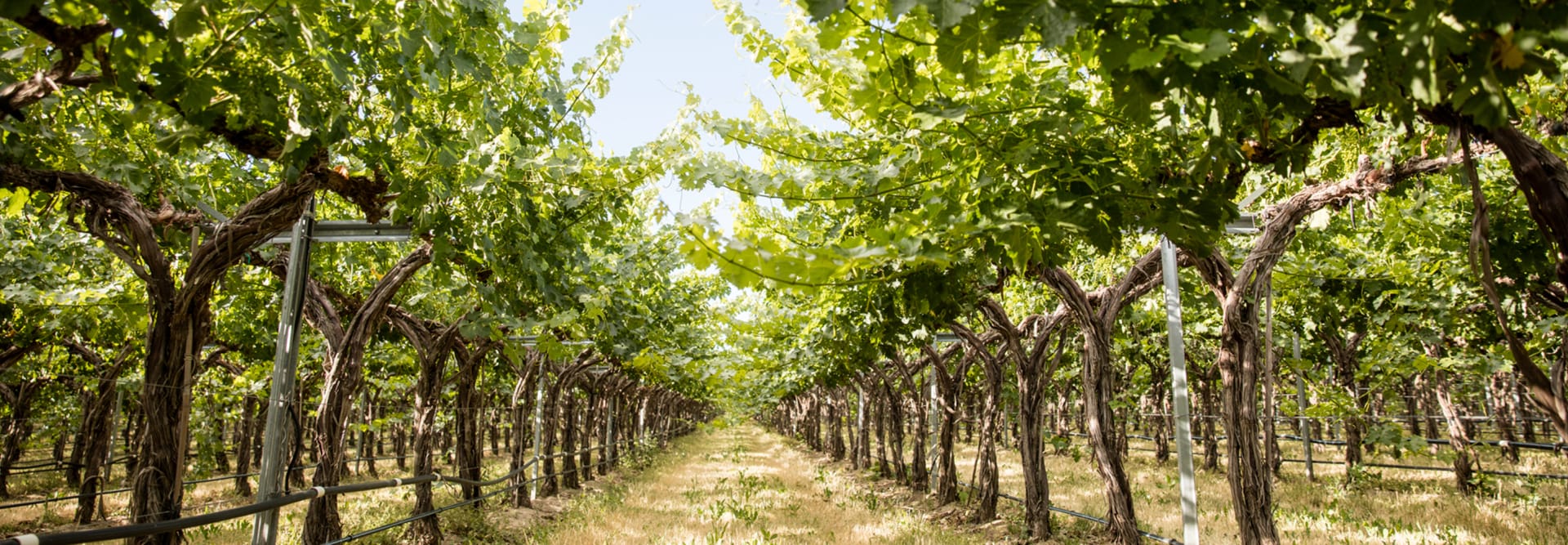


Established in 1988, Seven Hills Winery is proud to be among the founding estates of Walla Walla Valley. As pioneers who first championed the region, the winery’s heritage is built on longstanding relationships with the most renowned growers in the Northwest and a deep knowledge of the land. Their focus is crafting Merlot and Cabernet Sauvignon-based wines that authentically reflect their places of origin.
Born to a farming family in Eastern Washington, Founder Casey McClellan learned about agriculture at a young age. Later, Casey and his wife, Vicky, began to cultivate an interest in wine and developed a long term vision to make wine from the family farm in Walla Walla Valley. They drew further inspiration during a European cycling trip through wine country, where they experienced wine as an integral foundation to these communities and an important, vital part of small town agricultural life.
As proprietors of one of the area’s first vineyards, the efforts of Seven Hills Winery have helped strengthen a community that values environmental stewardship to protect the future. For the past 15 years, they have practiced sustainable agriculture in order to be responsible guardians of the land, and currently hold LIVE and Salmon Safe certifications for their estate SHW Founding Vineyard.
Seven Hills Winery has always thrived to protect the environment and their communities. It has become clear to us that the emission of Green House Gases (GHG) not only is the biggest environmental threat, but also that the majority of environmental advances are tied to their ability to emit less GHG. They have embarked on a fundamental transformation of how they grow grapes and make wines and have joined international organizations such as the Porto Protocol and the International Wineries for Climate Action (IWCA). They have committed to reduce their GHG emissions by 50% by 2030 and 100% by 2050.

With generous fruit and supple tannins, Merlot is made in a range of styles from everyday-drinking to world-renowned and age-worthy. Merlot is the dominant variety in the wines from Bordeaux’s Right Bank regions of St. Emilion and Pomerol, where it is often blended with Cabernet Franc to spectacular result. Merlot also frequently shines on its own, particularly in California’s Napa Valley. Somm Secret—As much as Miles derided the variety in the 2004 film, Sideways, his prized 1961 Château Cheval Blanc is actually a blend of Merlot and Cabernet Franc.

Responsible for some of Washington’s most highly acclaimed wines, the Walla Walla Valley has experienced a surge in popularity in recent years and is home to both historic wineries and younger, up-and-coming producers.
The Walla Walla Valley, a Native American name meaning “many waters,” is located in southeastern Washington; part of the appellation actually extends into Oregon. Soils here are well-drained, sandy loess over Missoula Flood deposits and fractured basalt.
It is a region perfectly suited to Rhône-inspired Syrahs, distinguished by savory notes of red berry, black olive, smoke and fresh earth. Cabernet Sauvignon and Merlot create a range of styles from smooth and supple to robust and well-structured. White varieties are rare but some producers blend Sauvignon Blanc with Sémillon, resulting in a rich and round style, and plantings of Viognier, while minimal, are often quite successful.
Of note within Walla Walla, is one new and very peculiar appellation, called the Rocks District of Milton-Freewater. This is the only AVA in the U.S. whose boundaries are totally defined by the soil type. Soils here look a bit like those in the acclaimed Rhône region of Chateauneuf-du-Pape, but are large, ancient, basalt cobblestones. These stones work in the same way as they do in Chateauneuf, absorbing and then radiating the sun's heat up to enhance the ripening of grape clusters. The Rocks District is within the part of Walla Walla that spills over into Oregon and naturally excels in the production of Rhône varieties like Syrah, as well as the Bordeaux varieties.