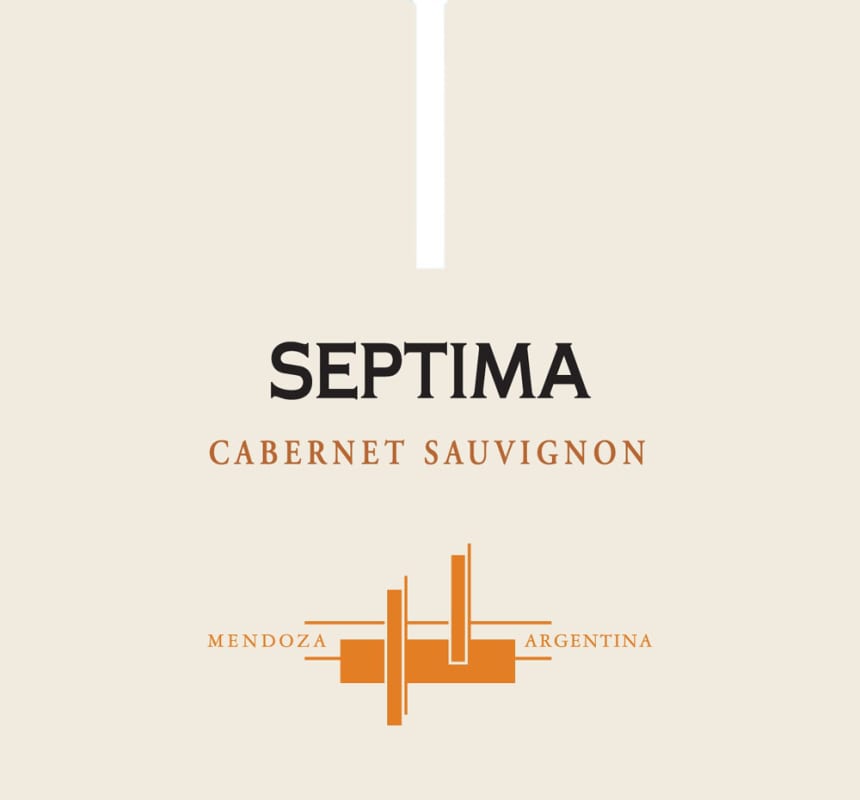

Winemaker Notes
Complex and spicy. Includes roasted pepper notes, plums and a hint of fruit jam, with minerals such as graphite. Toasted aroma with coffee and vanilla notes.
Elegant entrance, cherry and strawberry in perfect blend with roasted red peppers with sweet and powerful tannins. Well-structured and nice finish with the presence of smoky oak wood. Lingering, well-structured and nice finish.


Argentina of course is heralded for its Malbecs. But in the last two decades Cabernet Sauvignon has been drawing increased attention from winemakers there, and is now the third most planted variety. It is grown in the Mendoza region in the Andean foothills, especially in Maipú and Luján de Cuyo, at altitudes between 2300 and 3100 feet. Here the climate is continental, with hot summers and cold winters. It is very dry and sometimes quite windy, with runoff from the snow-capped Andes providing irrigation. These Argentinian Cabernets offer dark fruit, spice notes, full body and often a voluptuous style.
Another source within Mendoza is the higher altitude Uco Valley, at 3300 to 5000 feet. Up at this level grapes ripen more slowly, despite the bright sun. But that enables them to develop bright acidity levels, giving the wines a fresh quality to go with intense fruit flavors. Another source of good Cabernet Sauvignon in Argentina is Cafayate, in the Calchaquí Valley. North of Mendoza, these vineyards are even higher, at about 5700 feet! These Cabernets carry notes of spice, herbs and menthol to go with dark fruit. Like those from Uco Valley, they show concentration and great vibrancy.
A few producers to look for are Catena, Viña Cobos, Pulenta and Altocedro. Salud!